The 10 Commandments of Beach-Side Mexican Treats
From shaved ice and mangonadas to crackling chicharrones, these are the essential Mexican beach treats—and the unbreakable rules for eating them right.
Book a Food Experience
Powered by the smart booking engine · trusted providers, direct links


 Food Culture
1. Keep the Raspado Simple
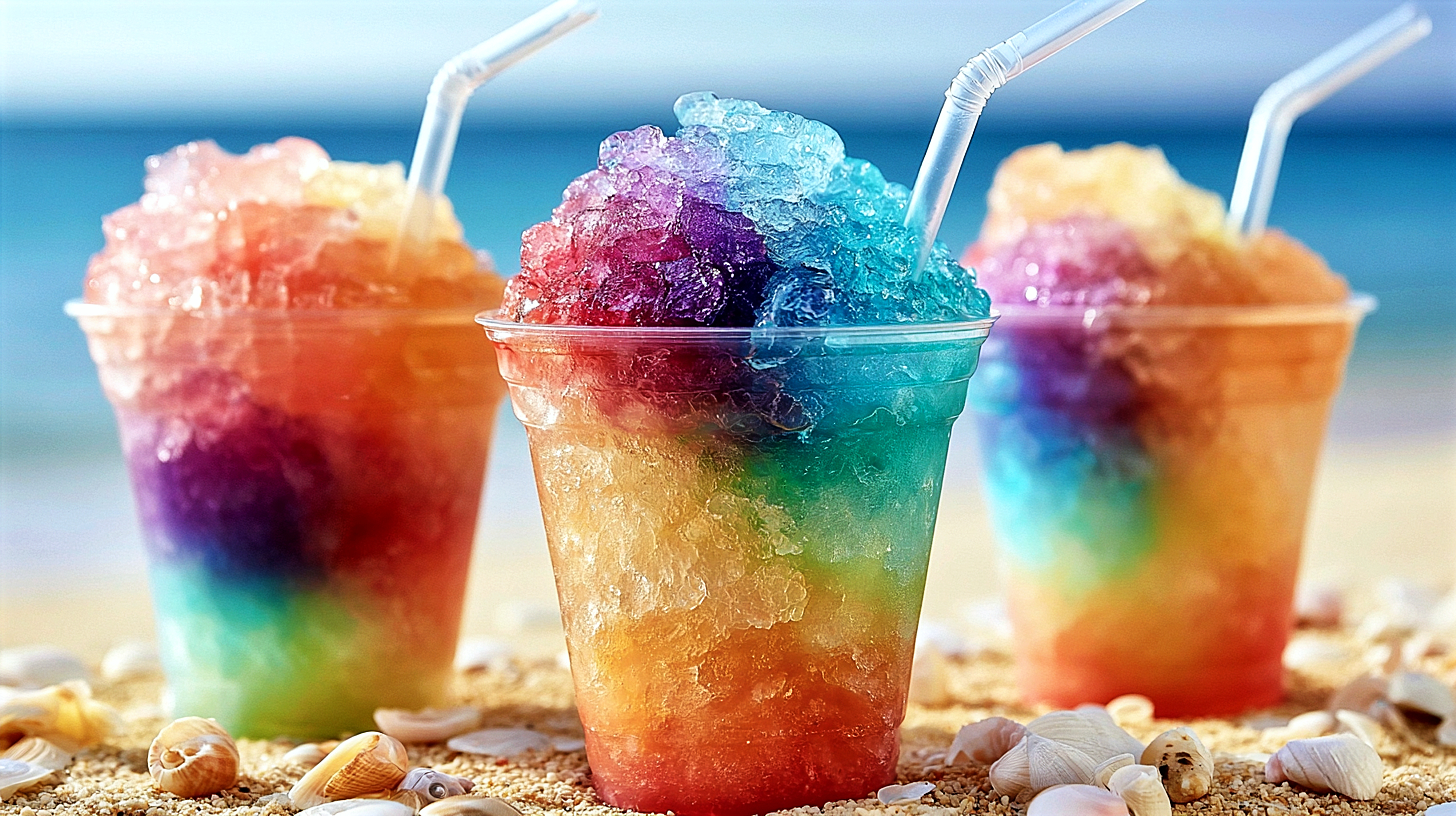
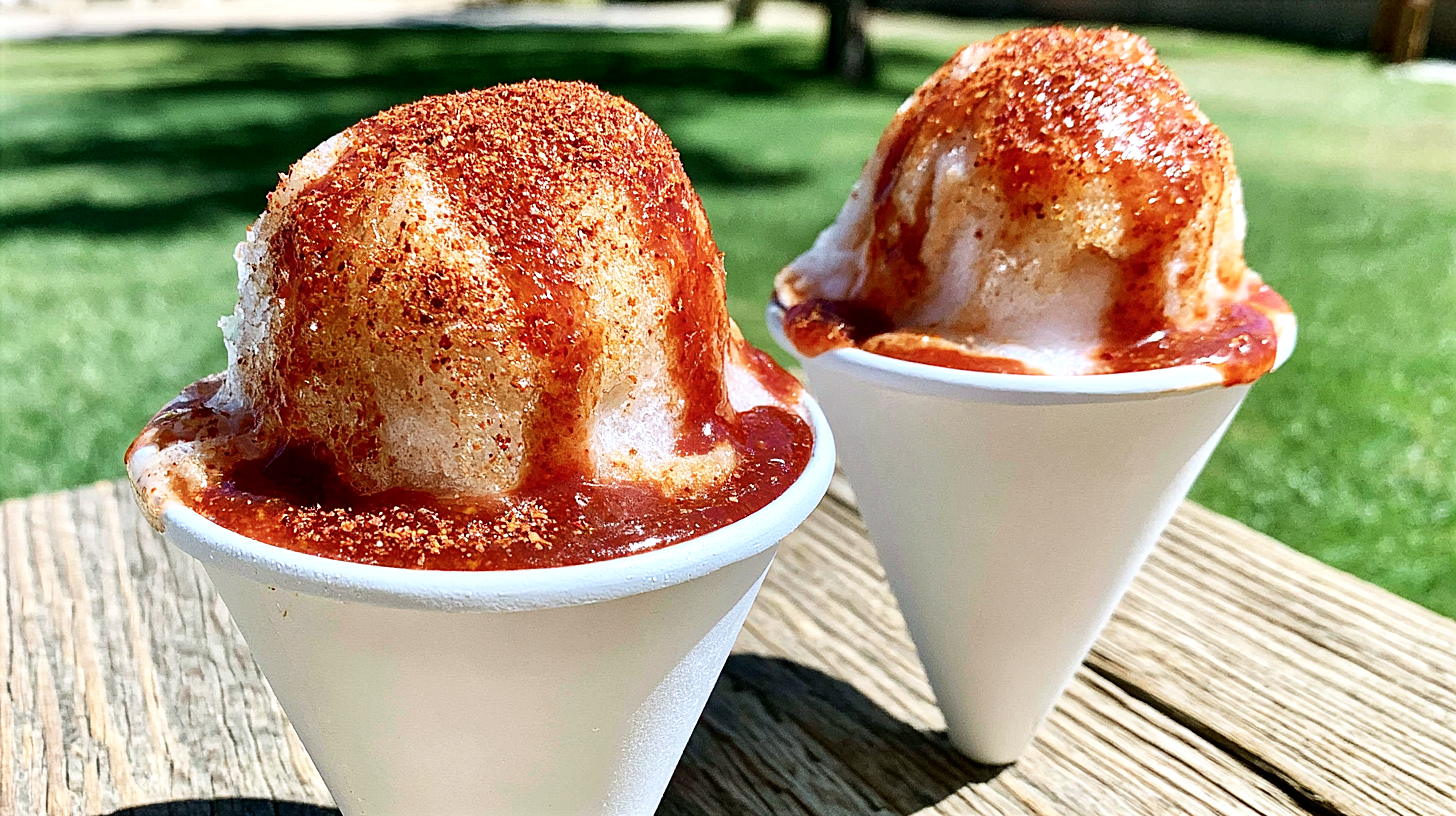
Beach-side raspados should never be complicated. No fancy machines, no overbuilt toppings—just a block of ice shaved into a snow drift, doused with bright fruit syrup, and finished with a squeeze of chamoy and a shake of Tajín. The best no-fuss recipe starts with the kind you can make in five minutes: freeze fruit juice in a shallow pan, scrape it with a fork, and pile it into a cup. Tamarind, mango, and lime are the classics; some vendors add condensed milk, some add a straw. The point is refreshment, not architecture. If a raspado needs more than ice, fruit, chile, and salt, keep walking. On a hot beach, simple wins every time.
Food Culture2. Layer the Mangonada Like You Mean It
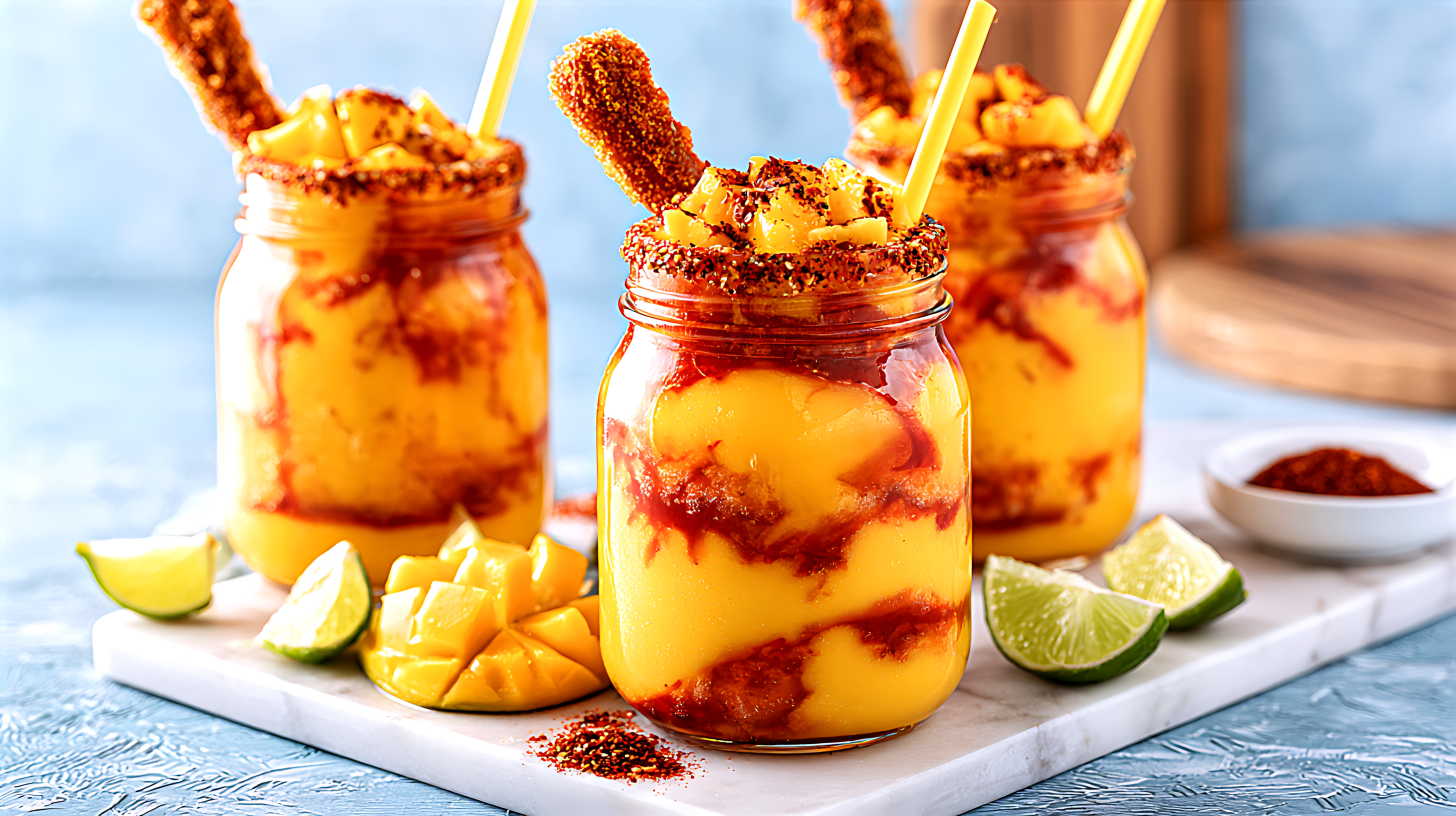
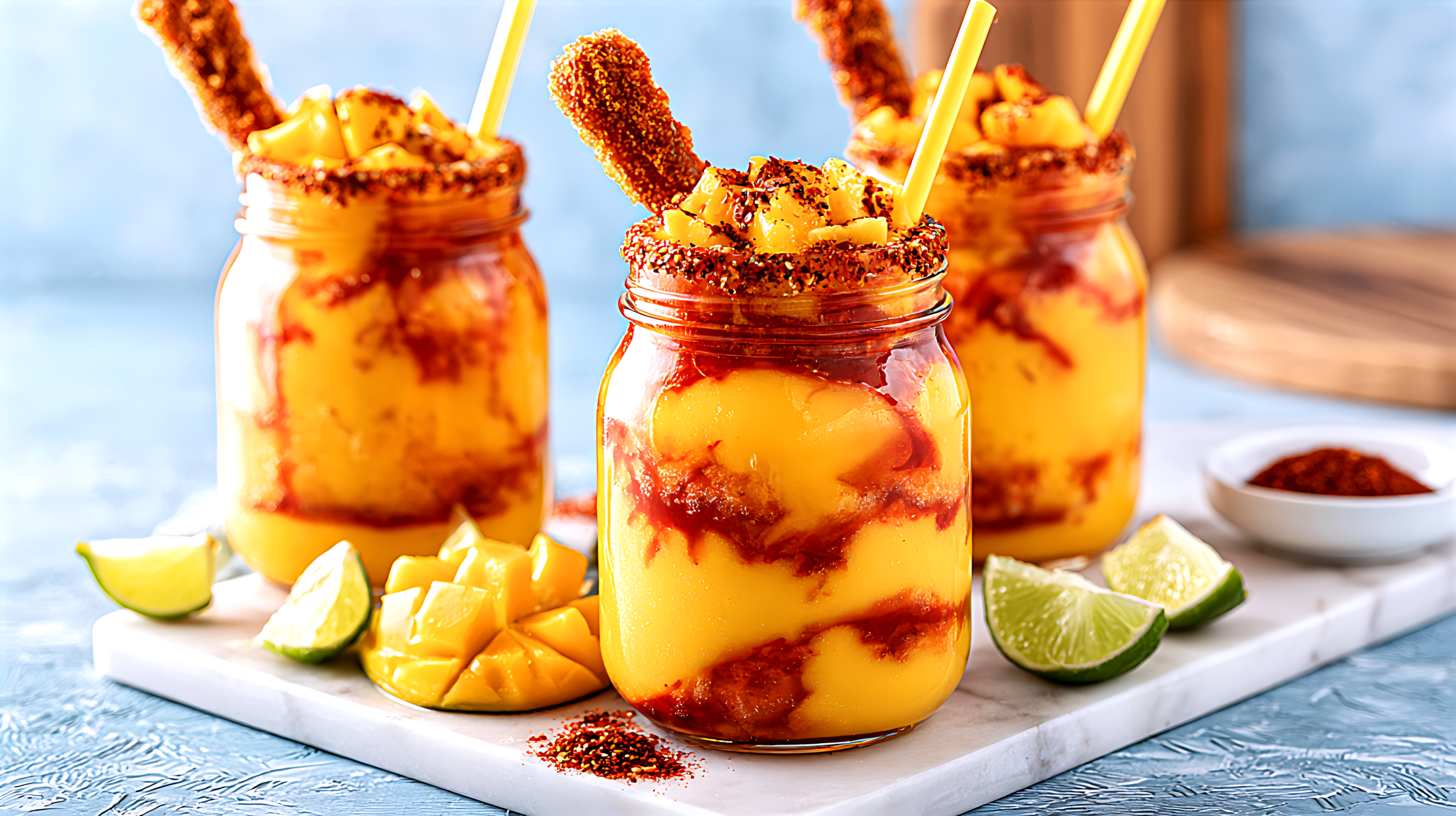
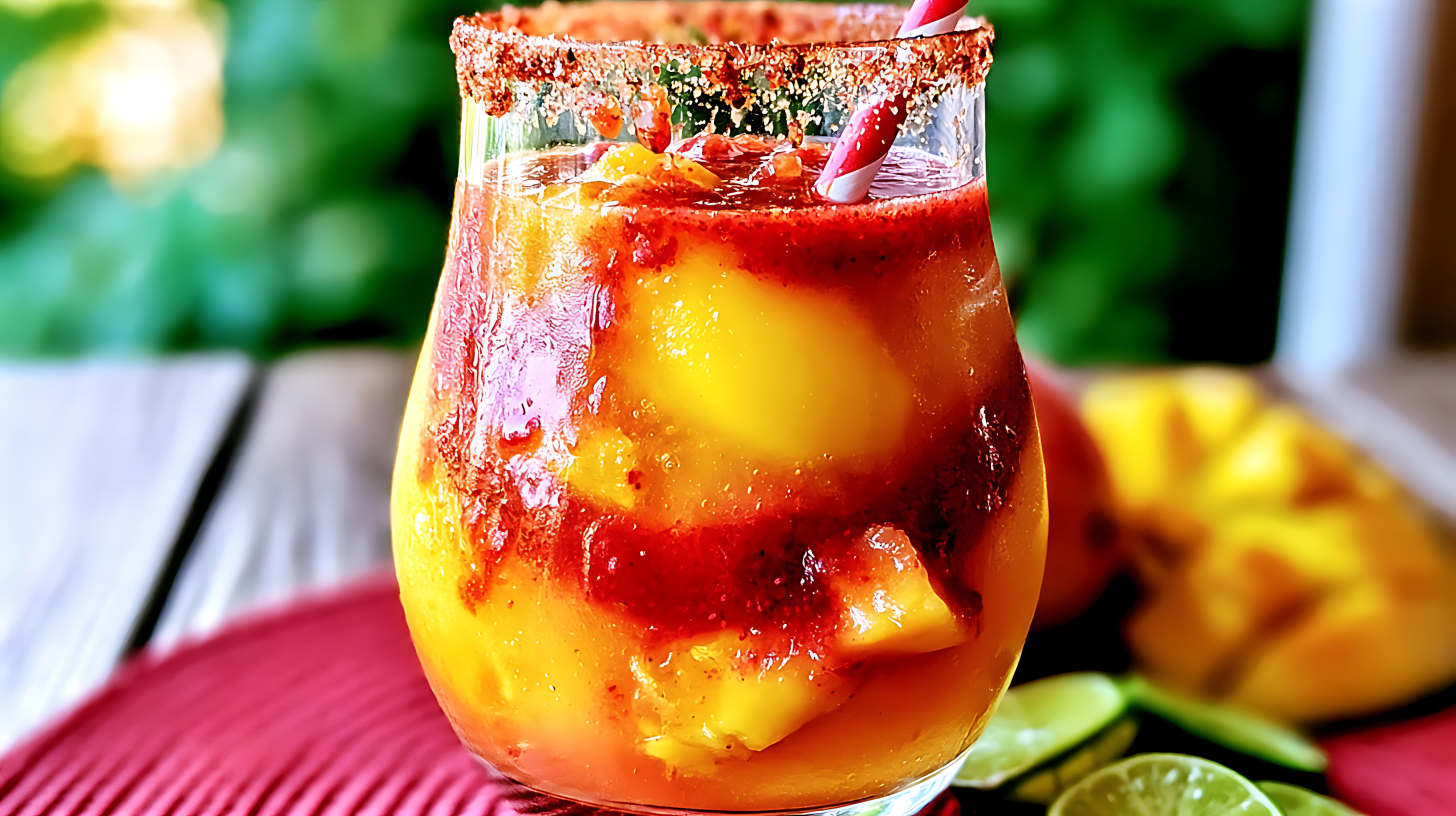
A mangonada is a mango slush that tastes like a beach day in a cup: sweet, tangy, and a little dangerous with heat. The formula is simple—frozen mango, mango nectar, lime juice, and ice blended smooth—then layered with chamoy and chile-lime seasoning until every spoonful hits sour, salty, spicy, and sweet at once. A tamarind candy straw is non-negotiable. Use frozen mango for thickness; if you only have fresh, dice and freeze it for 20 minutes. Yes, a shot of blanco tequila turns it into a proper beach cocktail. But don’t ruin it with too many add-ons. The best mangonada tastes like mango first, chamoy second, and heat last.
Food Culture3. Esquites Are a Cup of Pure Corn Savagery
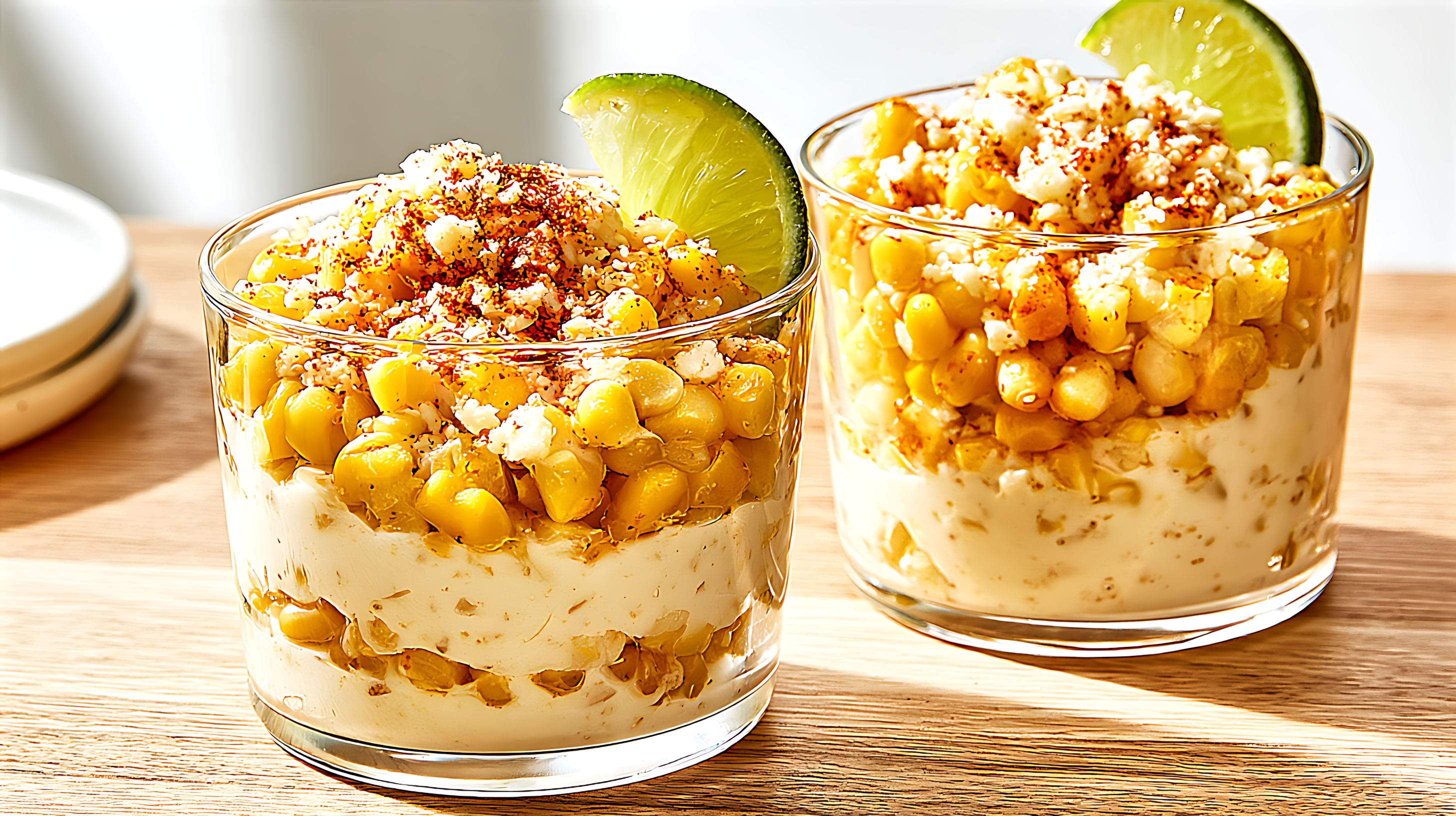
Esquites are what happens when street corn leaves the cob and becomes a cup of creamy, spicy, fully committed salad. Sauté fresh corn kernels with butter—or a splash of epazote if you’re doing it right—then fold in mayonnaise, crumbled cotija, lime juice, and a storm of chile powder. Served warmish, never cold, with a lime wedge on the side. Some stands add chopped chiles or a swirl of crema; the best ones let the corn speak. Eat with a plastic spoon, tilt the cup to catch the sauce, and don’t be polite about the last bite. If someone offers esquites at a beach gathering, treat it as the main event, not a side dish.
Food Culture4. Elotes Demand Full Messy Commitment
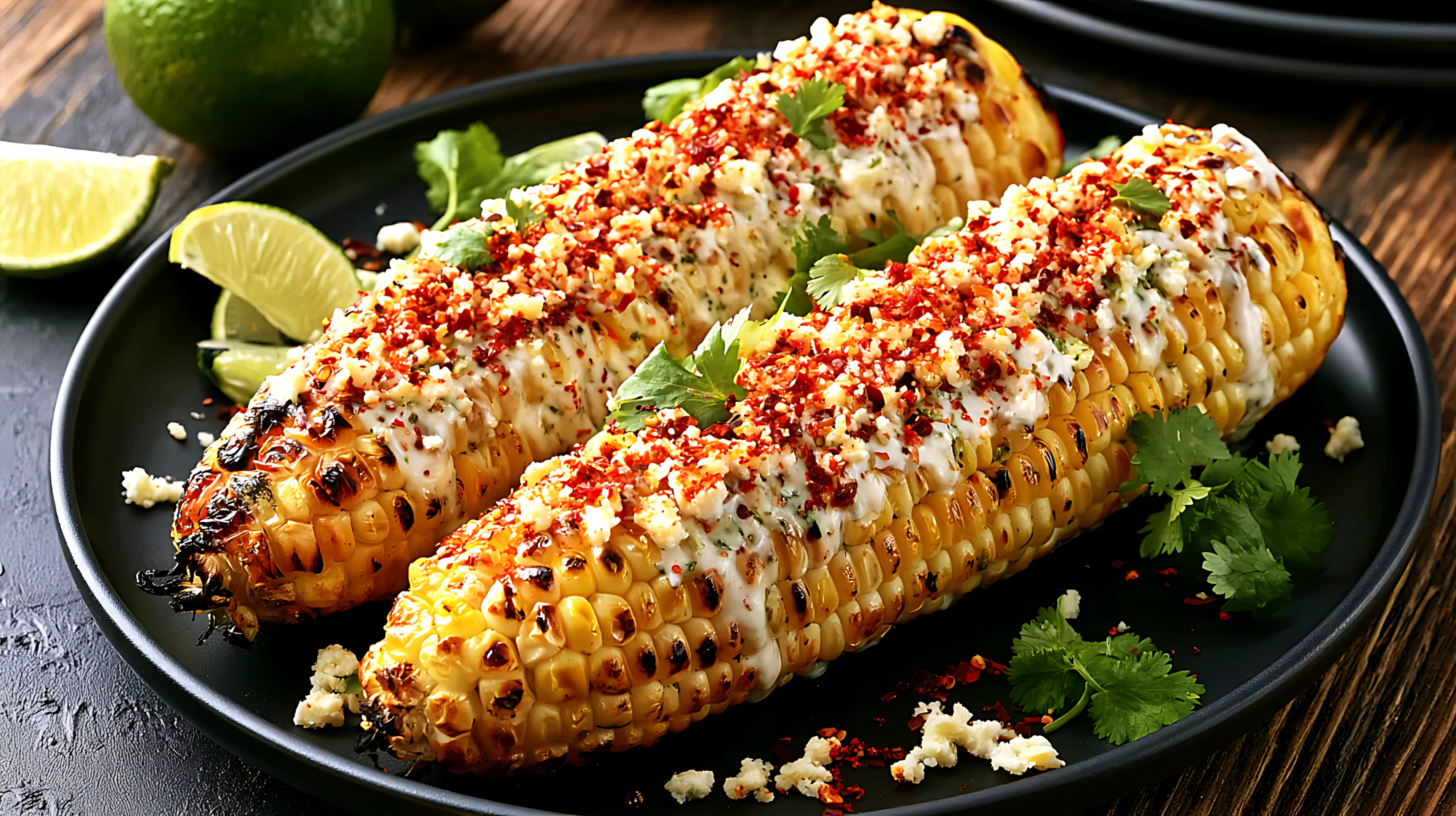
Elotes are the whole-cob counterpart to esquites: grilled or boiled corn on the cob, slathered in mayonnaise and crema, rolled in crumbled cotija, dusted with Tajín and chile powder, then finished with lime. It is a knife-and-fork-free, hands-on, face-first experience. The best elotes have a little char at the edges, so the smoke cuts through the richness. Don’t let anyone serve you a dry, naked ear of corn. If you’re not wiping mayo off your chin, you’re doing it wrong. Follow the crowd forming around the beach cart; the vendor’s squeeze bottles and steamers usually mean it’s the real deal. Corn, fat, cheese, heat, acid—everything else is decoration.
Food Culture5. Know the Chamoyada’s Sour-Spicy Power
Yes, a chamoyada is a mangonada’s spicier, tangier sibling—and in many shops, the names are used interchangeably. But when you want less mango sweetness and more of that sour-salty chamoy burn, chase the chamoyada. The base is often a mango or tamarind ice slush, but the real identity comes from the chamoy: an addictive sauce made from dried fruit, chiles, and lime, swirled through the drink and rimmed around the glass. A good chamoyada is aggressively layered, never homogeneous. It should make your lips pucker before it makes you smile. If the chamoy tastes like candy syrup, send it back. You want the version that stings just a little—cold, bright, and unapologetically intense.
Food Culture6. Build the Perfect Michelada with Intention
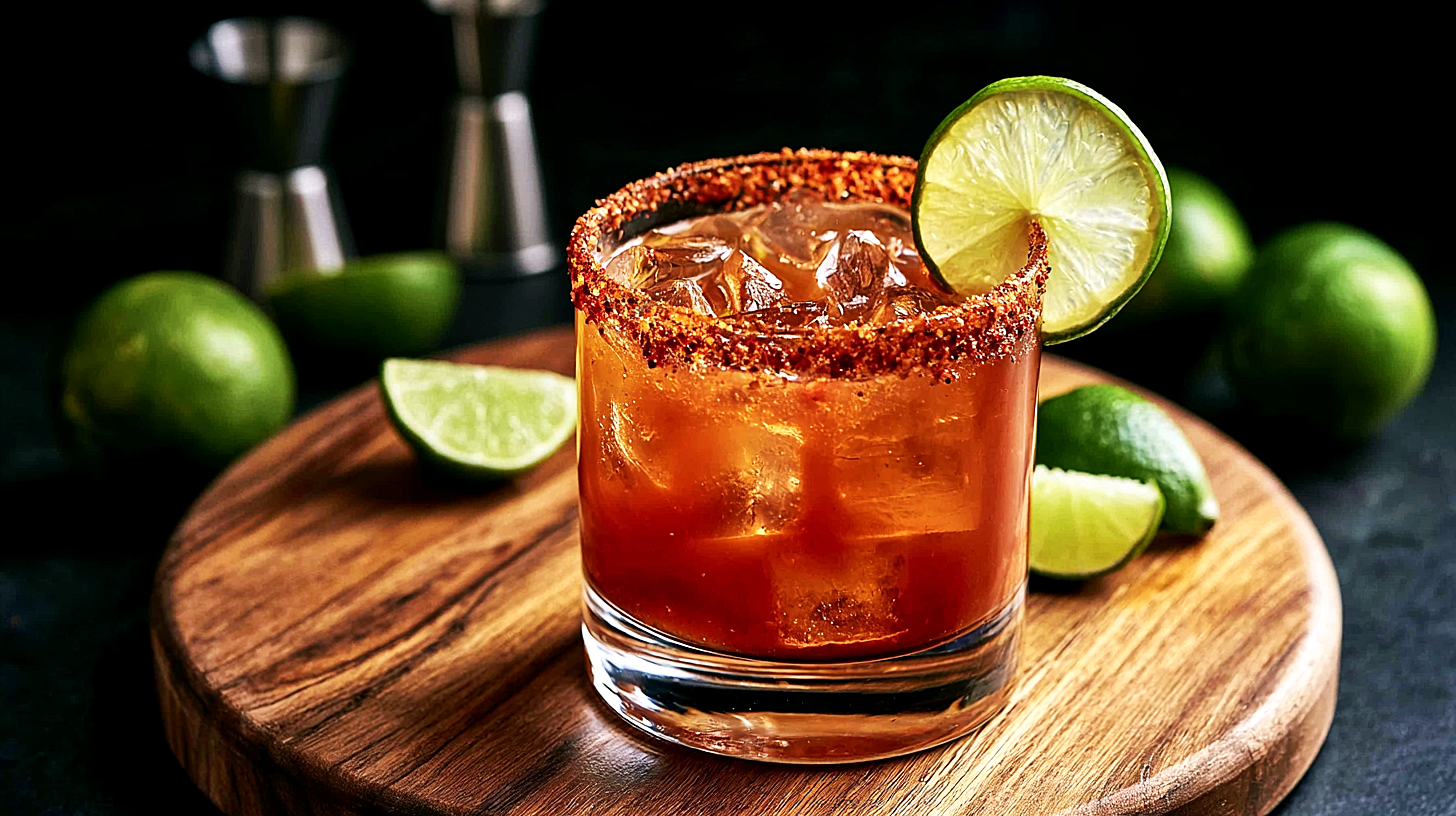
A michelada is not a beer with a splash of lime. It is a full cocktail, built with intention. Rim a tall, ice-cold glass with Tajín or salt, add fresh lime juice, a few dashes of hot sauce, Worcestershire, maybe a bit of Maggi or soy for umami, and a pour of Clamato if you like it juicy. Then add a crisp Mexican lager—not an IPA, not a stout—and stir slowly. The perfect version tastes like the ocean: salty, briny, bright, and impossible to drink just one. On the beach, vendors often sell micheladas from coolers with squeeze bottles of pre-mixed sauce. Trust the ratio they’ve been using for years; it’s the one you’ll want to steal.
Food Culture7. Coctel de Camarón Is a Meal, Not a Starter
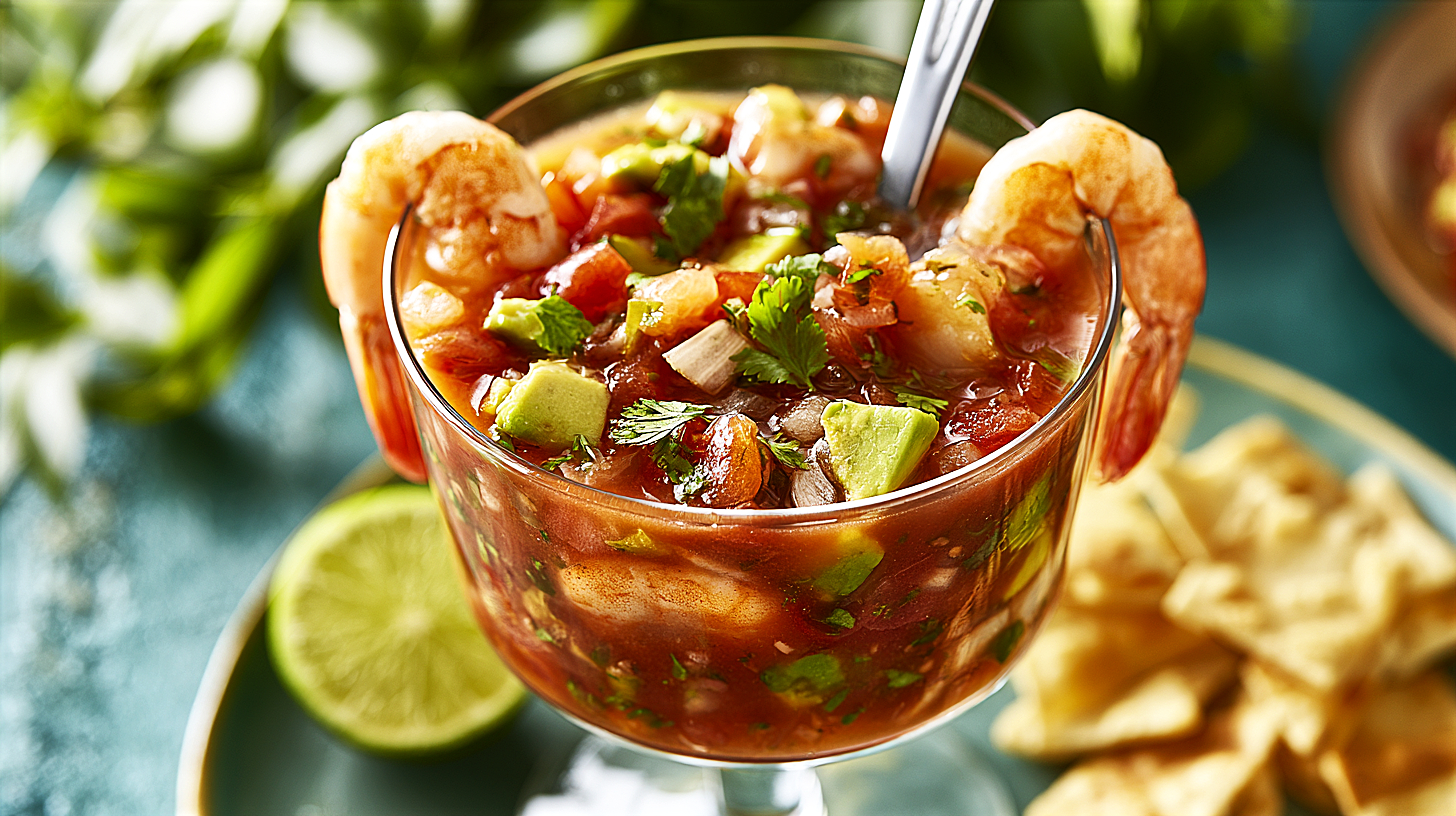
Mexican shrimp cocktail has nothing to do with American cocktail sauce. Coctel de camarón is a tomatoey, slightly spicy, absolutely loaded bowl of poached shrimp, cucumber, onion, cilantro, and avocado, swimming in a clamato-tomato broth seasoned with lime and hot sauce. It is served cold, usually with saltine crackers or tostadas for dipping. At beach stands, it comes in a clear plastic cup so you can see the layers—shrimp first, then vegetables, then the red sauce, with lime wedges on the side. Eat it fast because it’s that good. The key is balance: acidic, briny, and fresh, never heavy. This is the beach appetizer that becomes the meal.
Food Culture8. Paletas Are Not Popsicles
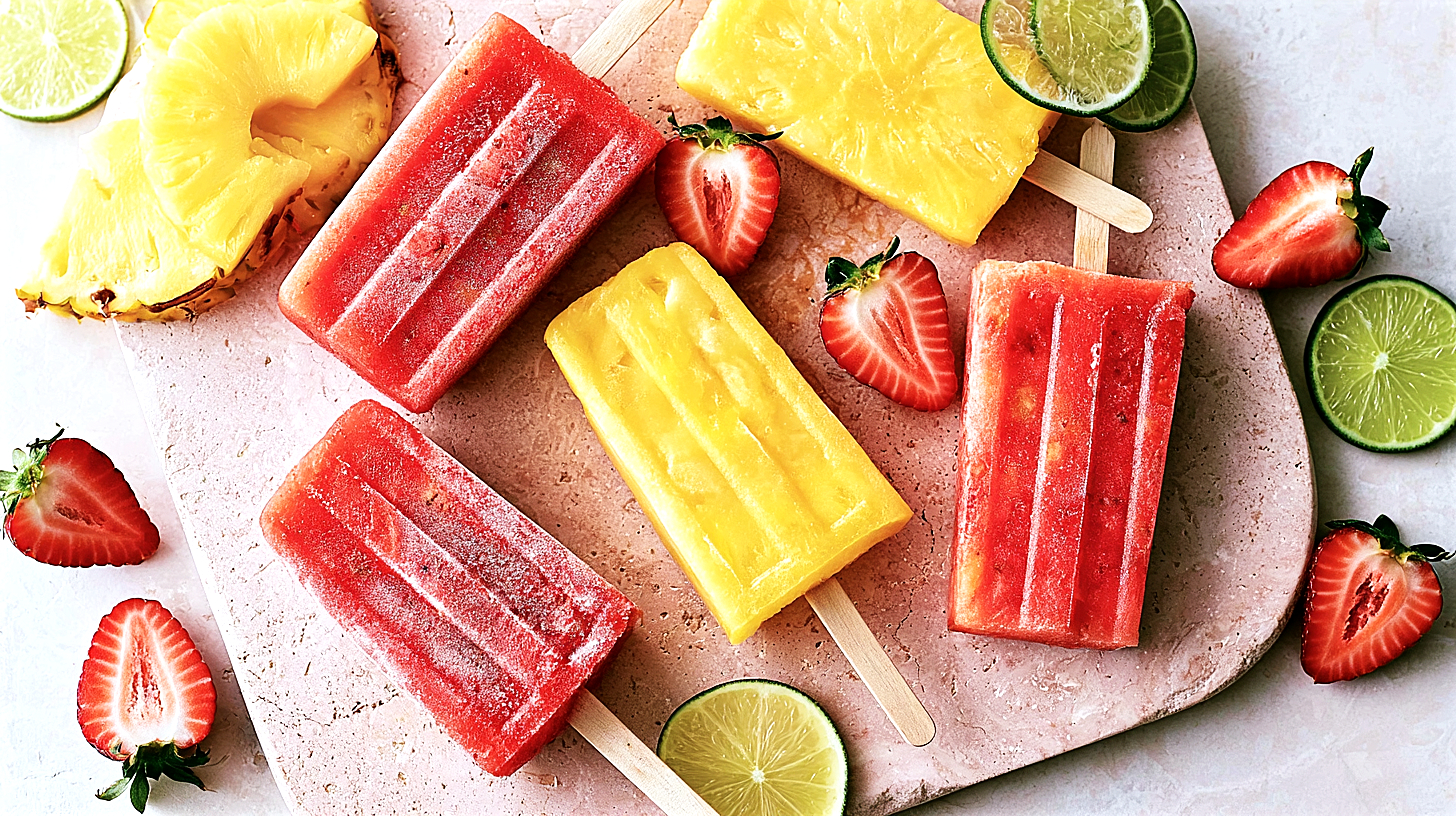
Paletas are Mexico’s proof that ice pops can be serious food. Unlike mass-market popsicles, they are made with real fruit, water, and a little sugar—or with milk, cream, and ingredients like Sicilian pistachio and Belgian chocolate. The best paleterías make them in small batches daily, so the strawberry tastes like a strawberry, not syrup. You’ll find three types: fruity and vegan, creamy and rich, and filled paletas with condensed milk or Nutella at the core. In Miami, Morelia Gourmet Paletas even lets you dip your paleta and add toppings, with over a million possible combinations. But the purest beach move is just grabbing a mango paleta and letting it drip. That’s the magic.
Food Culture9. Hunt Down Nieve de Garrafa
Nieve de garrafa is Mexican sorbet made the slow way: a liquid base poured into a metal tub—the garrafa—which sits inside a wooden barrel packed with salty ice. The maker scrapes the frozen edges with a wooden spatula, again and again, until the whole thing turns into smooth, airy, impossibly light, dairy-free sorbet. Lime and sweet corn are classics; you’ll also see hibiscus, red wine, coconut, walnut, mango, and strawberry. Adventurous stands go for rose petal, piña colada, mole, even shrimp cocktail. Because there are no stabilizers, eat it within a week. On a beach town, find a vendor whose garrafa is well-worn—that’s a sign of regular turnover and the good, simple stuff.
Food Culture10. Chicharrones de Harina Must Be Eaten Loud
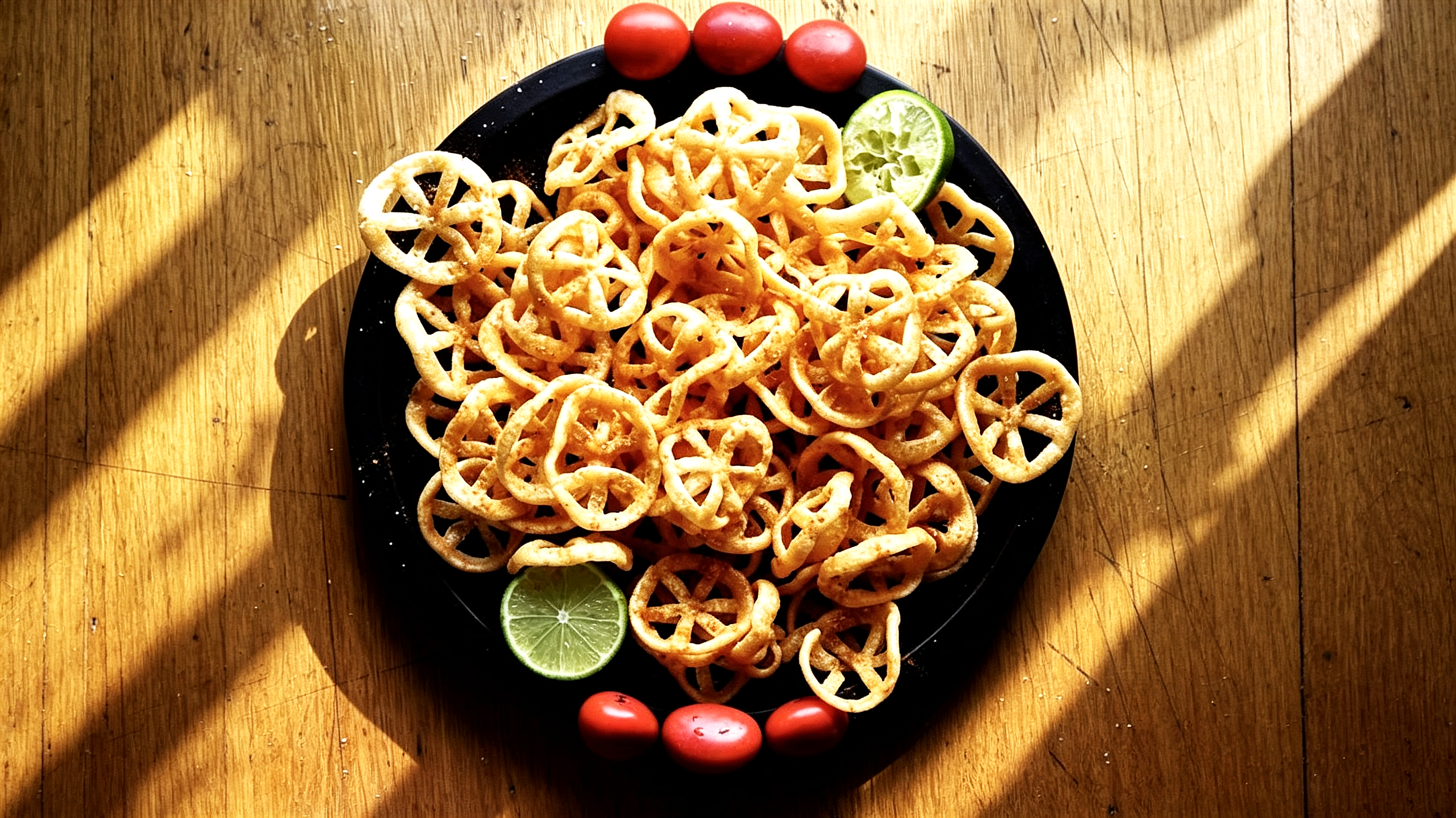
Chicharrones de harina—also called duritos or duros—are those big wheat pinwheel chips sold by the bag. They are just flour, water, salt, and baking powder, but drop them in hot oil and they puff into craggy, crackling crisps. The beach rule: eat them immediately, drizzled with fresh lime juice and dusted with chile powder, Valentina, or chamoy. In Mexico, vendors park outside schools, and kids race to grab them after class; at the beach, they’re the snack that out-crunches any bag of tortilla chips. Fry them in batches—they cook in under a minute—and store any leftovers in a dry, airtight container. But honestly, they won’t last that long.
“The beach has its own food bible—written in chamoy, lime, and chile.”