

Japan
“Japan's hidden healing onsen and zen temples offer a unique blend of natural relaxation and spiritual reflection, allowing visitors to experience centuries-old traditions in serene and sacred environments. These hot springs, with a history of over 1,300 years, are often considered sacred and are deeply intertwined with the country's spiritual and cultural heritage. Visitors can immerse themselves in both the therapeutic waters of onsen and the tranquil beauty of Buddhist temples and Shinto shrines.”
Things To Do


Sensory Vibe
The soft rustle of bamboo and distant waterfalls blend with the occasional chirp of birds, creating a gentle hum that lulls the mind into stillness and quiet introspection.
The air is cool and damp, carrying the earthy scent of moss and wood, while soft, diffused light filters through wooden slats, casting warm shadows that shift slowly with the breeze.
Time moves like a slow stream, with each moment unfolding without urgency, allowing the body to release tension and sync with the natural cadence of the surroundings.
Explore
Exploring Japan's Hidden Healing Onsen
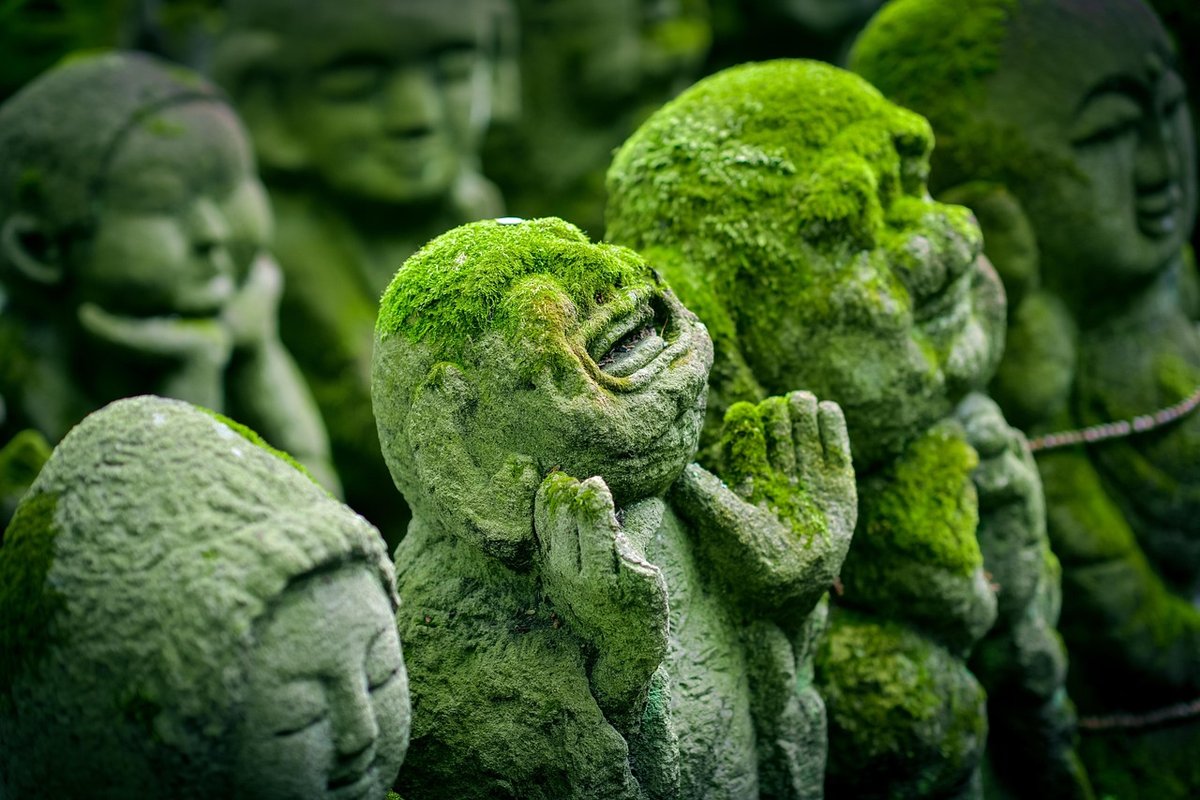
Japan is home to thousands of natural hot springs, known as onsen, which have been used for centuries for their healing properties and spiritual significance. These thermal baths are often nestled in serene landscapes, offering a peaceful escape from the modern world. Many onsen are located outdoors, allowing visitors to soak in mineral-rich waters surrounded by nature. The tradition of onsen bathing dates back over 1,300 years and is deeply rooted in Japanese culture, often linked with religious practices and wellness. Visitors are encouraged to follow onsen etiquette, such as showering before entering the bath and avoiding swimsuits, to maintain the purity of the water and respect local customs.
Nakanoshima Onsen
A traditional hot spring area in Nachikatsuura, Wakayama, featuring both indoor and outdoor baths. Known for its natural mineral-rich waters and serene environment.
💡 Follow onsen etiquette, including showering before entering the bath and not wearing swimsuits.
Book experience →Zen Temples and Shinto Shrines of Kyoto
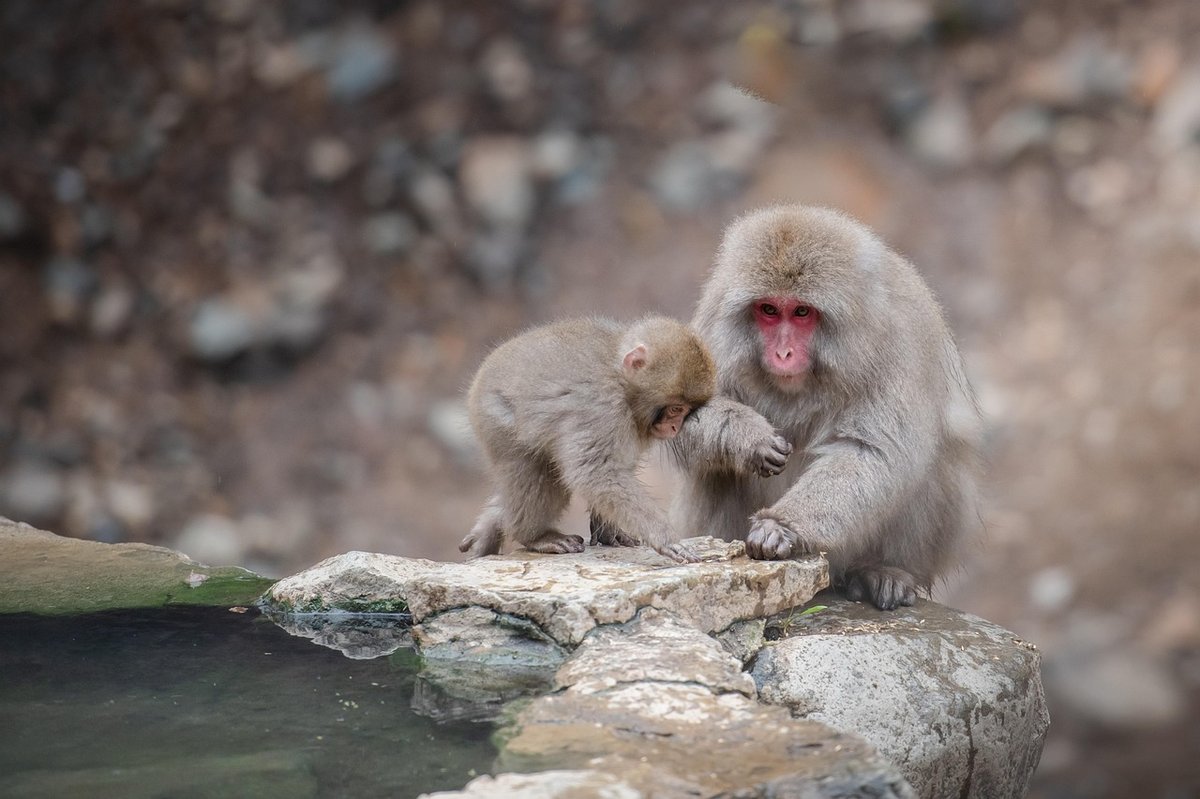
Kyoto is a spiritual heartland of Japan, home to numerous Zen temples and Shinto shrines that reflect the country's deep cultural and religious heritage. Many temples coexist with shrines, showcasing the historical integration of Shinto and Buddhist traditions. These sacred spaces offer a tranquil atmosphere for meditation, reflection, and cultural exploration. Visitors can experience the beauty of traditional architecture, intricate gardens, and the calming presence of monks and worshippers. Some temples also offer onsen experiences, blending spiritual practice with the therapeutic benefits of hot springs.
Higashi Hongan-ji Temple
One of the most famous Buddhist temples in Japan, located in Kyoto. Known for its beautiful architecture and spiritual significance.
💡 Wear modest clothing and remove shoes before entering the main hall.
Book experience →Iwashimizu Hachiman-gū
A famous shrine that was once part of a mixed shrine-temples complex, reflecting the historical integration of Shinto and Buddhism in Japan.
💡 Offer a prayer at the torii gate and enjoy the scenic views from the shrine grounds.
Book experience →Tsurugaoka Hachiman-gū
Another historically significant shrine that was forced to separate from its associated temple due to the 1868 law mandating the division of Shinto and Buddhist institutions.
💡 Visit during festivals for a unique cultural experience.
Book experience →Hidden Onsen and Spiritual Retreats Across Japan
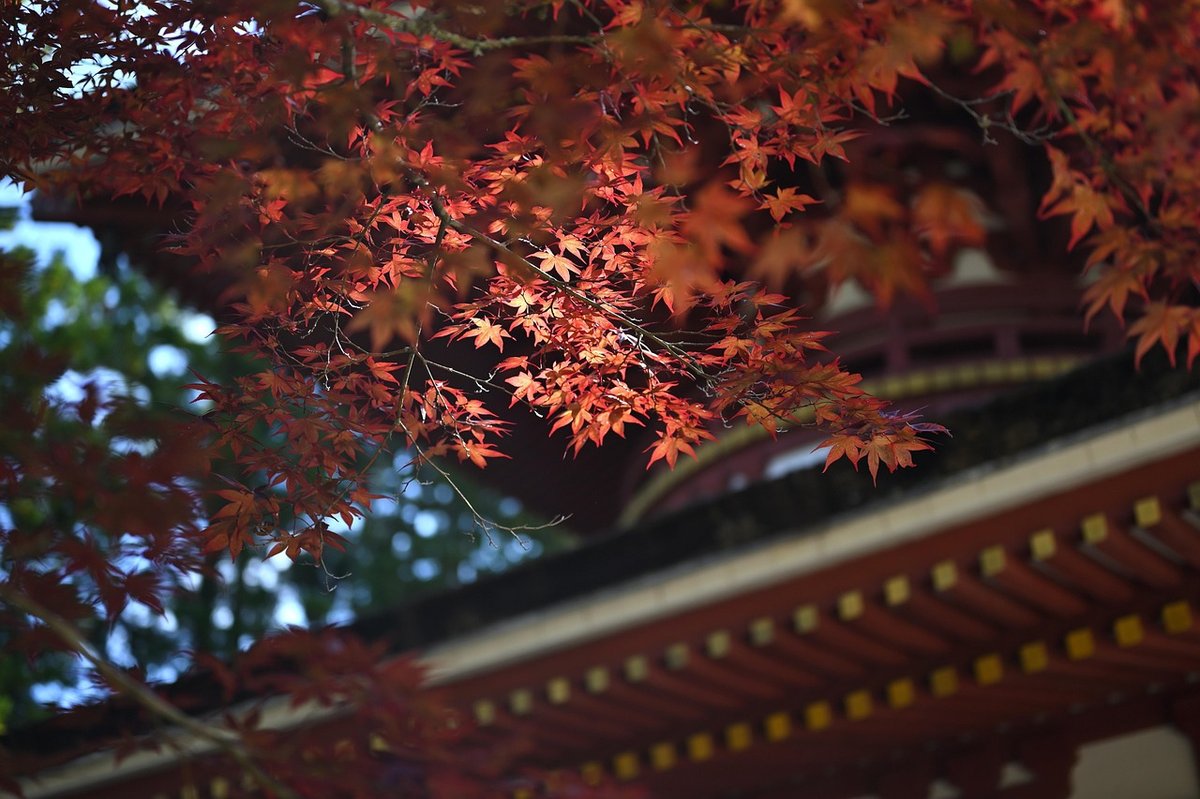
Beyond the well-known destinations, Japan offers hidden onsen and spiritual retreats in less-touristed regions, providing a deeper connection to the country's cultural and natural heritage. These secluded spots allow travelers to immerse themselves in the tranquility of onsen bathing while exploring nearby temples and shrines. From the mountainous areas of Wakayama to the remote islands of the south, these locations offer a chance to disconnect from daily life and reconnect with nature and tradition. Many of these places are ideal for those seeking a meditative journey, combining the healing power of onsen with the wisdom of Zen philosophy.
Nakanoshima Onsen
A traditional hot spring resort in Nachikatsuura, Wakayama, known for its natural hot springs and serene environment.
💡 Follow onsen etiquette, including showering before entering the bath and not wearing swimsuits.
Book experience →Itinerary
Arrival at Nakanoshima Onsen
Nakanoshima Onsen, Kyoto
Soak in the outdoor bath while feeling the warm water gently lift your shoulders. Focus on the sound of the nearby stream and the scent of pine in the air.
Visit Higashi Hongan-ji Temple
Higashi Hongan-ji Temple, Kyoto
Sit quietly in the temple garden. Listen to the rustle of leaves and the soft chime of wind bells. Let your breath match the rhythm of the breeze.
Lunch at a Local Eatery
Nearby Traditional Restaurant, Kyoto
Savor each bite slowly. Notice the texture of the rice, the aroma of miso, and the warmth of the broth as it fills your mouth.
Walk to Iwashimizu Hachiman-gū
Iwashimizu Hachiman-gū, Kyoto
Pass through the torii gate and walk barefoot on the moss-covered path. Feel the coolness of the earth beneath your feet and the gentle mist from the waterfall.
Explore Tsurugaoka Hachiman-gū
Tsurugaoka Hachiman-gū, Kyoto
Stand at the edge of the shrine’s courtyard and watch the red torii gate against the blue sky. Take a deep breath and let the silence settle into your chest.
Return to Nakanoshima Onsen for a Second Soak
Nakanoshima Onsen, Kyoto
After your first soak, return to the same bath but focus on the difference in your body and mind. Notice how your muscles feel lighter and your thoughts more calm.
Evening Stroll in the Surrounding Area
Kyoto Streets Near Nakanoshima Onsen
Walk slowly through the streets, noticing the way shadows stretch across the pavement and the distant sound of traditional music drifting from a nearby shop.
Landmarks
🏛️Attractions(11)
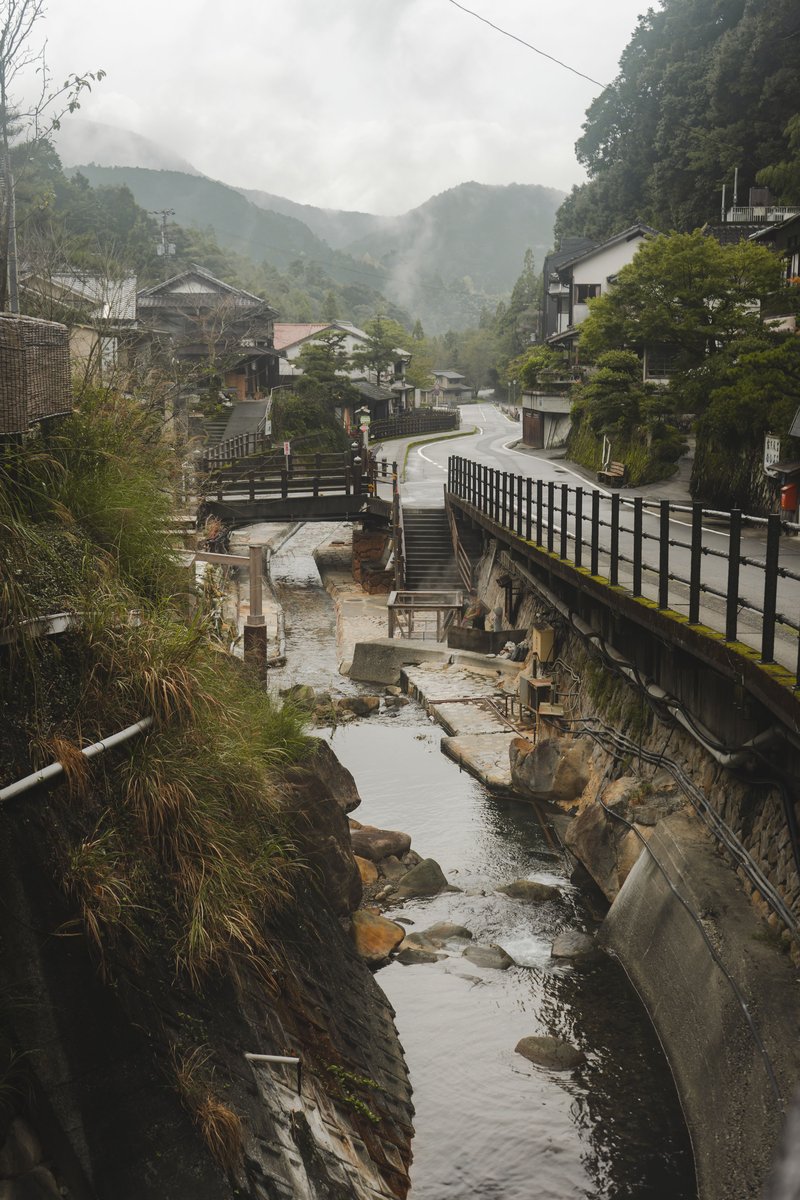
Nakanoshima Onsen
A traditional hot spring area in Nachikatsuura, Wakayama, featuring both indoor and outdoor baths. Known for its natural
View on Google MapsBook activities near Nakanoshima Onsen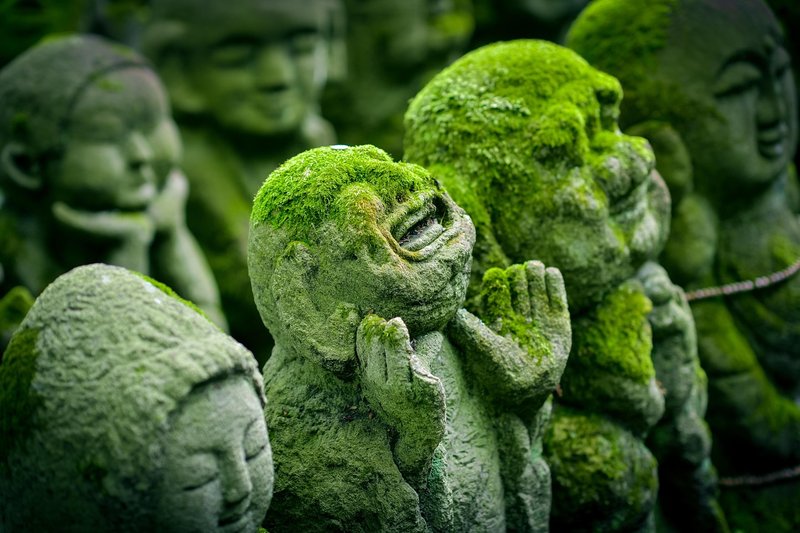
Higashi Hongan-ji Temple
One of the most famous Buddhist temples in Japan, located in Kyoto. Known for its beautiful architecture and spiritual s
View on Google MapsBook activities near Higashi Hongan-ji Temple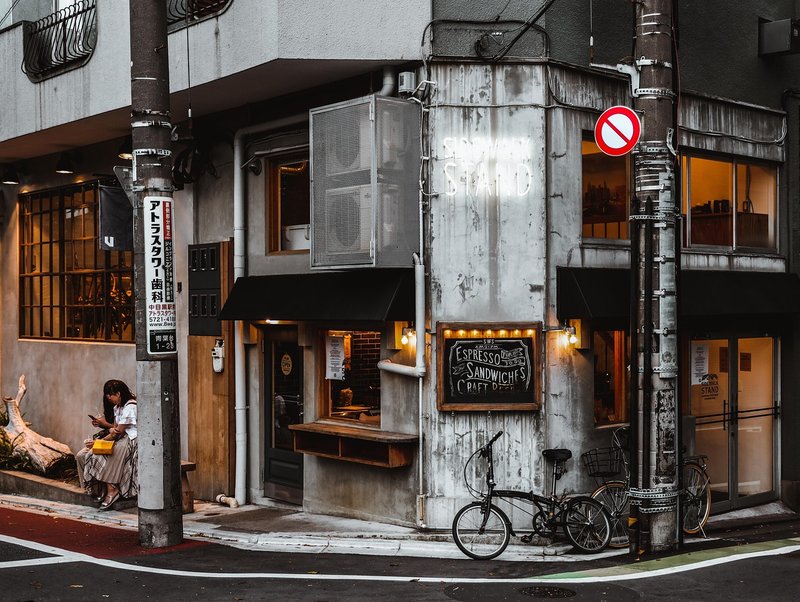
Iwashimizu Hachiman-gū
A famous shrine that was once part of a mixed shrine-temples complex, reflecting the historical integration of Shinto an
View on Google MapsBook activities near Iwashimizu Hachiman-gū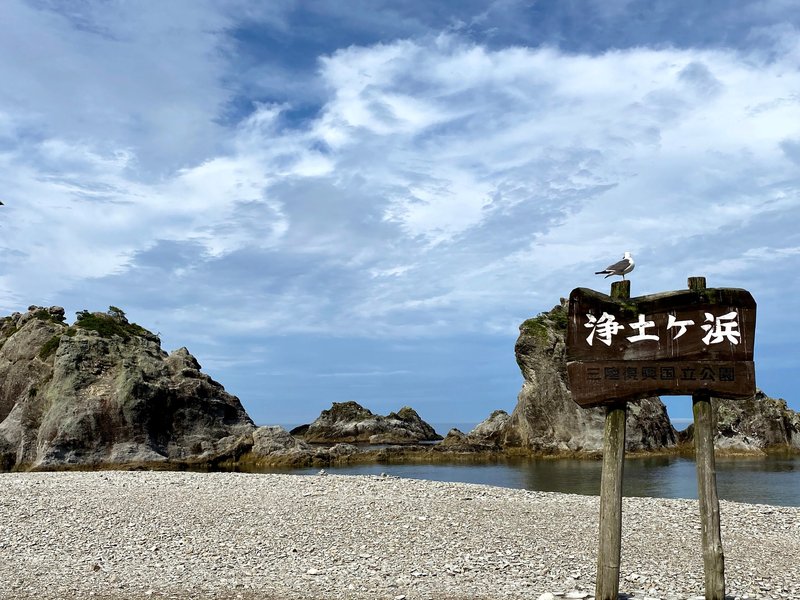
Tsurugaoka Hachiman-gū
Another historically significant shrine that was forced to separate from its associated temple due to the 1868 law manda
Book activities near Tsurugaoka Hachiman-gū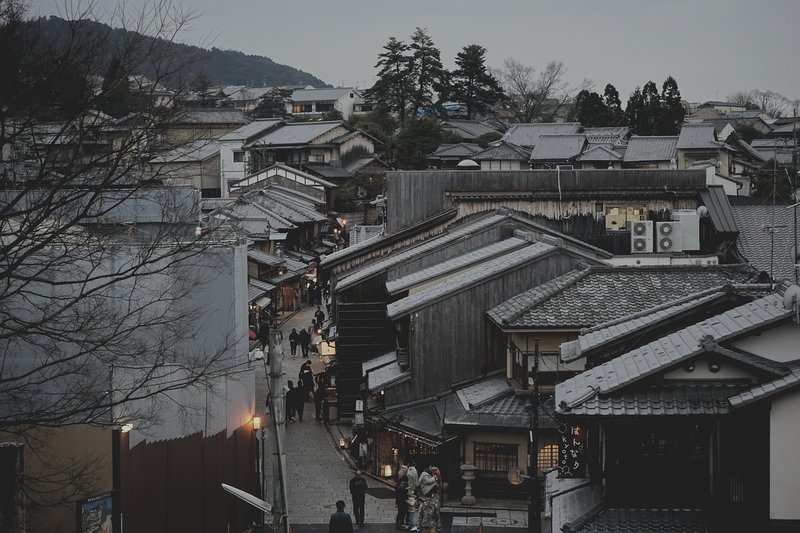
Kyoto Streets Near Nakanoshima Onsen
Book activities near Kyoto Streets Near Nakanoshima Onsen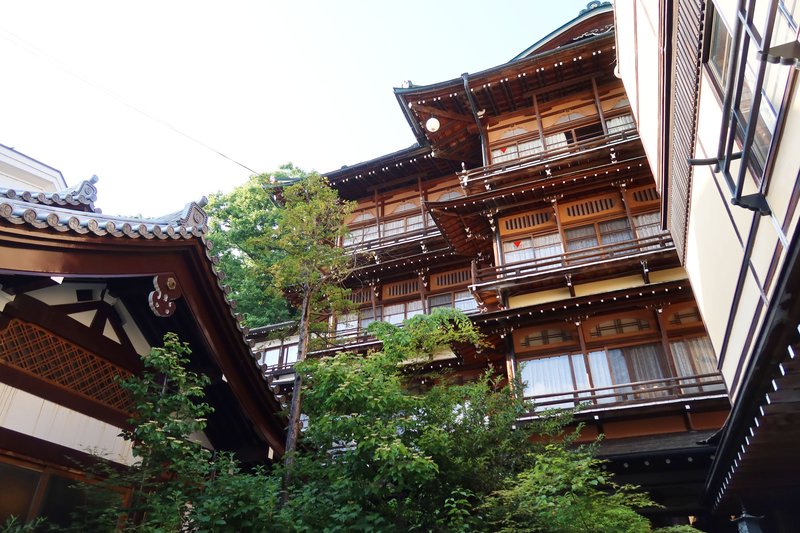
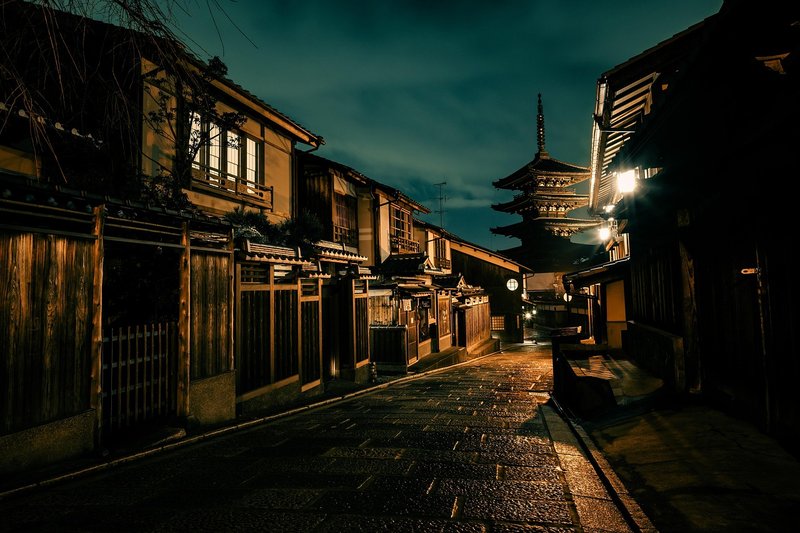
Kyoto Historic Streets
Book activities near Kyoto Historic Streets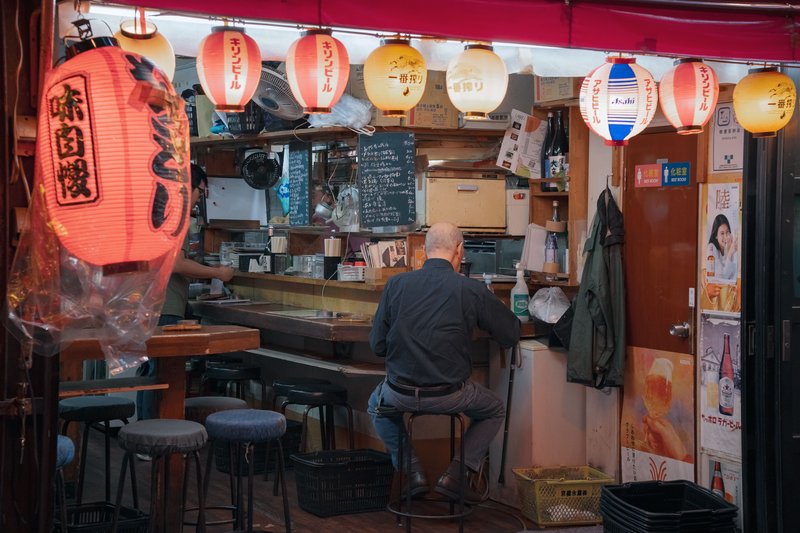
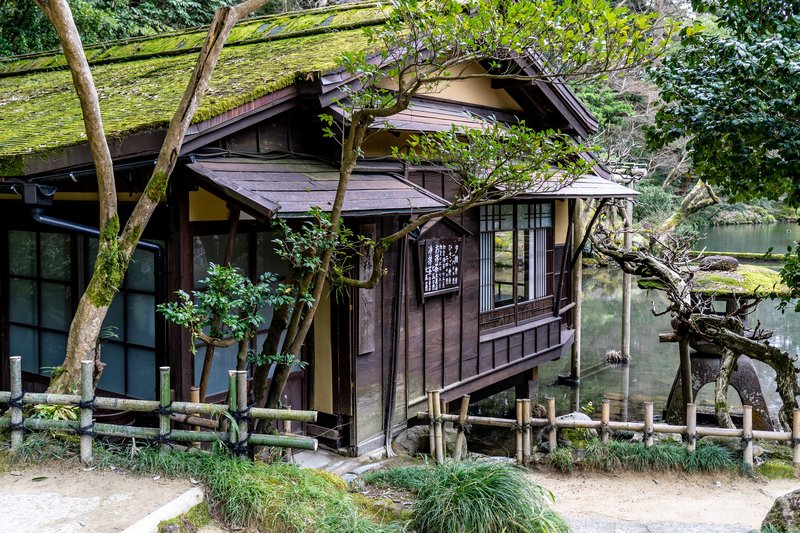
Traditional Tea House
Book activities near Traditional Tea House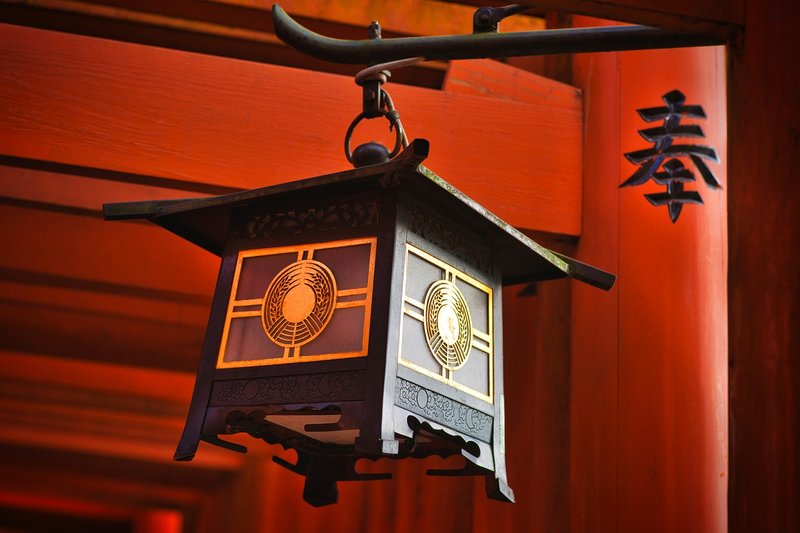

🍽️Food & Drink(2)
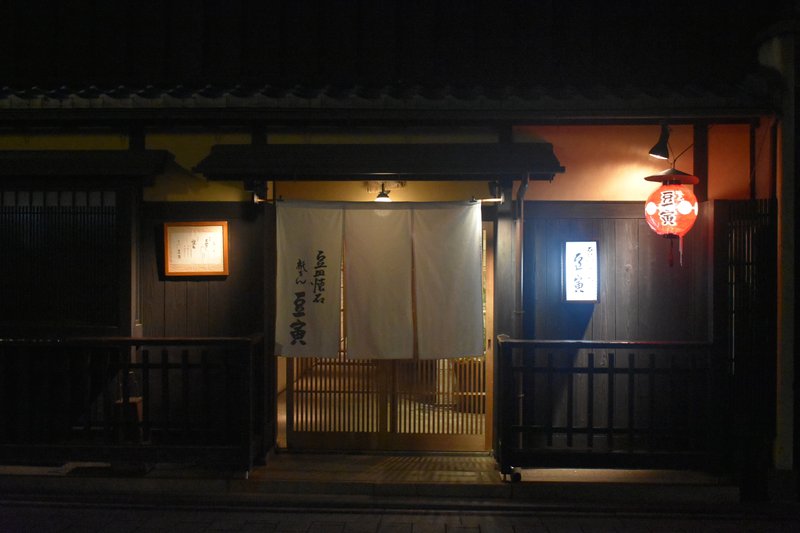
Nearby Traditional Restaurant, Kyoto
Book activities near Nearby Traditional Restaurant, Kyoto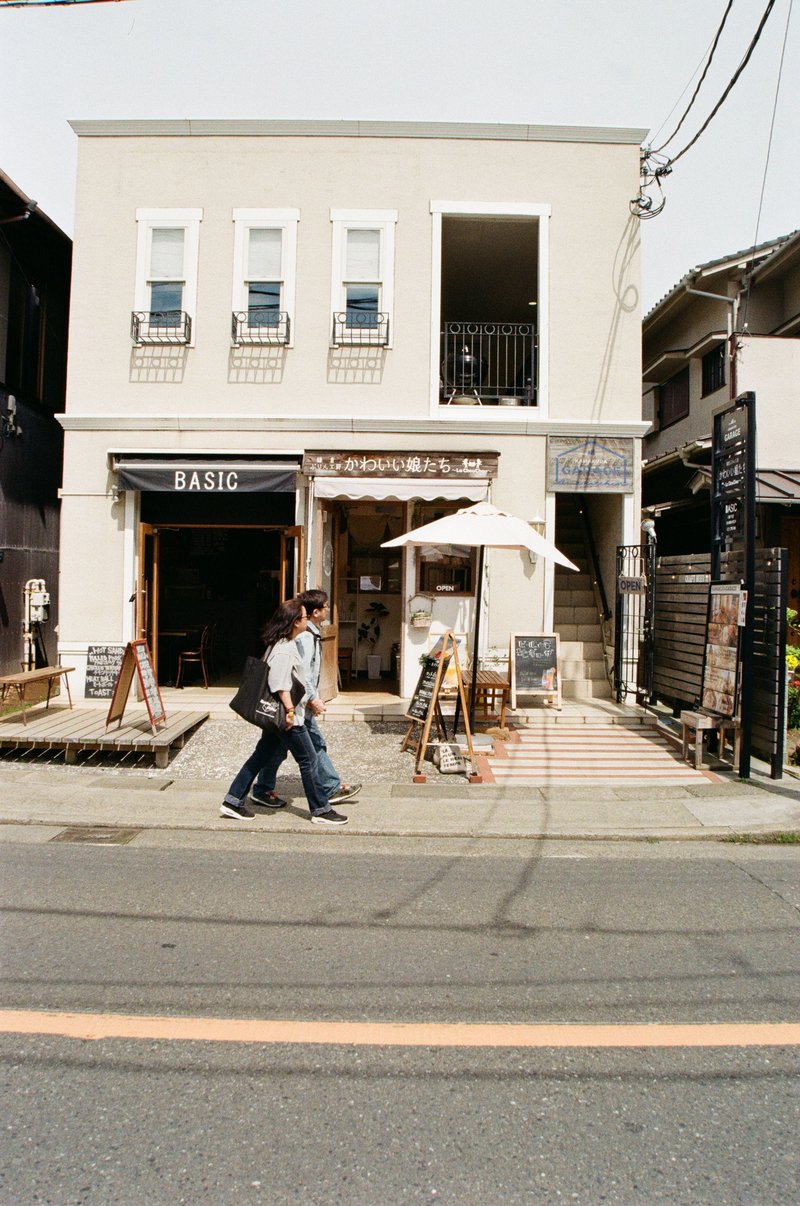
Local Café
Book activities near Local Café🌲Nature(1)
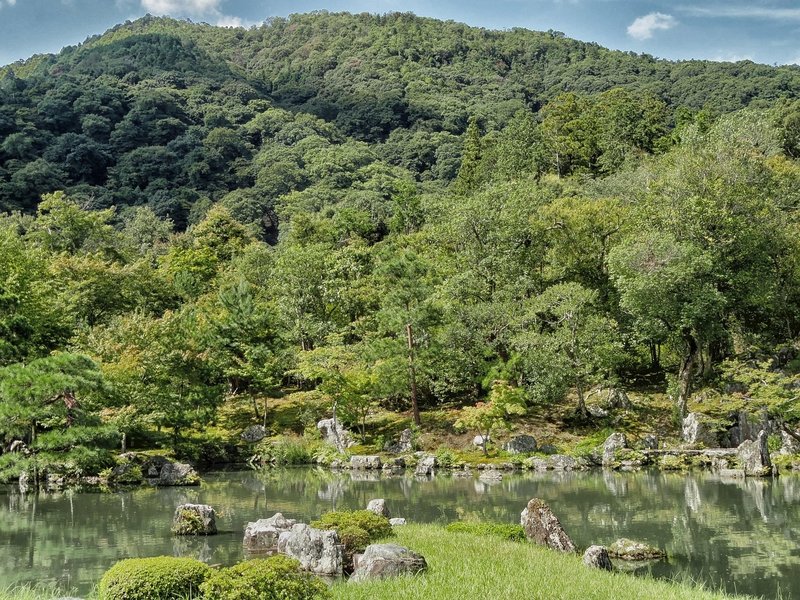
Kyoto Hills
Book activities near Kyoto HillsPractical Info
Stay
Hostels or budget hotels start at around $50-$80 per night.
Food
Street food and local eateries offer affordable meals for $10-$20.
Transport
Local trains and buses are reasonably priced, with regional passes available for cost-effective travel.
Activities
Temple visits and onsen bathing are often free or low-cost, with some requiring small entrance fees.
autumn
Cool and comfortable, with vibrant foliage making it a great time for nature and cultural exploration.
spring
Mild temperatures with blooming cherry blossoms, ideal for temple visits and onsen experiences.
summer
Hot and humid, with occasional typhoons. Some onsen areas may be less appealing due to the heat.
winter
Cold, especially in mountainous regions, but perfect for enjoying hot onsen and snow-covered temples.
- Research onsen etiquette before visiting to ensure a respectful experience.
- Reserve accommodations in advance, especially during peak seasons like cherry blossom or autumn foliage periods.
- Lightweight clothing for warm seasons and warm layers for cold months
- Swimsuit for onsen bathing (if allowed in specific facilities)
Japan has an efficient public transport system including trains, buses, and ferries. Shinkansen (bullet trains) connect major cities, while local trains and buses serve smaller towns and onsen resorts. Renting a car is also an option for more remote areas.
FAQ
What is Japan best known for?
在喧嚣的现代生活中,日本的温泉与禅寺提供了一种宁静而深刻的疗愈体验。从古老的温泉旅馆到静谧的寺庙庭院,这里是一处能让心灵重获平衡的隐秘天堂。
What is the best time to visit Japan?
The best time to visit is generally April-May and September-October.
How many days should I spend in Japan?
Itinerary plans are typically 1 day or 3 days, letting you explore the main sights at your own pace.
Where is Japan located?
Japan is located in East Asia, Japan.
How do I get to Japan?
Japan has an efficient public transport system including trains, buses, and ferries. Shinkansen (bullet trains) connect major cities, while local trains and buses serve smaller towns and onsen resort…
Pre-Trip Essentials
Visa requirements vary by nationality. Citizens of the US, EU, and UK can enter Japan for up to 90 days without a visa for tourism purposes.
Japanese Yen(JPY)
Cash is widely accepted, but credit cards are becoming more common in larger establishments. ATMs are available in most cities. Tipping is not customary in Japan.
Japanese(English not widely spoken)
English is not widely spoken outside major tourist areas. Learning a few basic phrases can be helpful.
100V, Type A and B
Adapters may be needed for devices from other countries. Voltage converters are recommended for sensitive electronics.
📸Photo & Video Gallery
Nearby Restaurants(50)Ranked by usRanked by us — distance & listing completeness
Plan Your Visit
Places to Stay
Recommended Experiences
Visit Higashi Hongan-ji Temple
Book Visit Higashi Hongan-ji Temple in Japan
Walk to Iwashimizu Hachiman-gū
Book Walk to Iwashimizu Hachiman-gū in Japan
Explore Tsurugaoka Hachiman-gū
Book Explore Tsurugaoka Hachiman-gū in Japan
Return to Nakanoshima Onsen for a Second Soak
Book Return to Nakanoshima Onsen for a Second Soak in Japan
Evening soak at Nakanoshima Onsen
Book Evening soak at Nakanoshima Onsen in Japan
Morning meditation at Iwashimizu Hachiman-gū
Book Morning meditation at Iwashimizu Hachiman-gū in Japan
Affiliate links
✨You might also like
✨Explore more
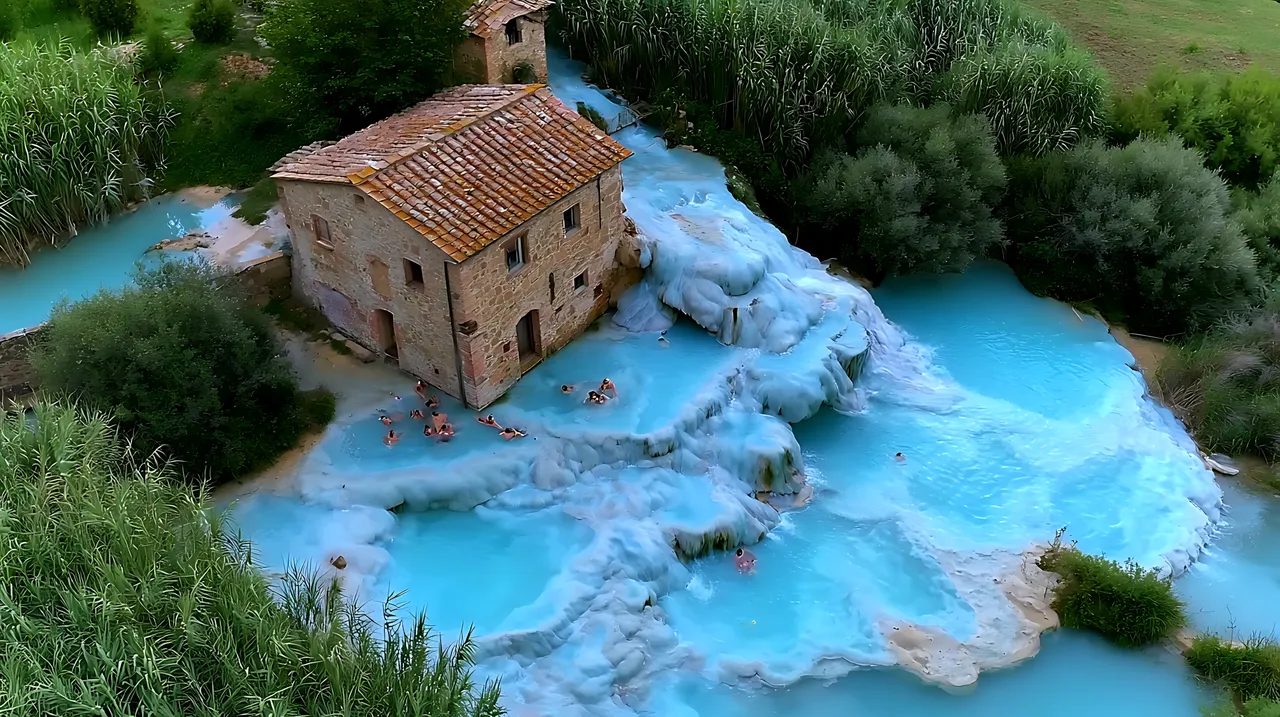
Cascade Del Mulino
Nestled in the heart of Tuscany, the Cascate del Mulino is a natural wonder where thermal waters cascade into serene pools. The constant 37.5°C (98.6°F) temperature and mineral-rich waters offer a therapeutic experience, surrounded by the breathtaking Maremma countryside. This free, open-air spa has been a source of relaxation since ancient times, with legends attributing its creation to the gods. Whether you visit in the early morning or at sunset, the cascades provide a tranquil escape from th
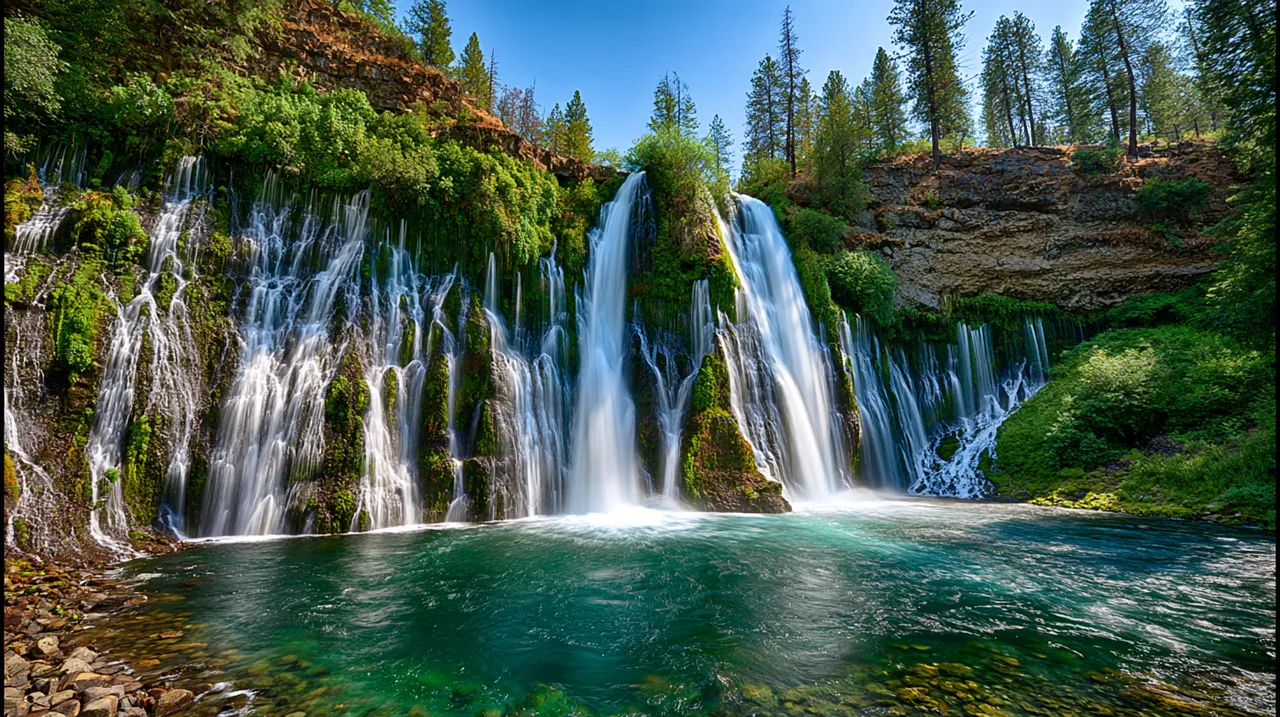
McArthur-Burney Falls
Nestled in the Cascade Range and Modoc Plateau, McArthur–Burney Falls Memorial State Park is a natural wonder that captivates visitors with its stunning 129-foot waterfall. The park, one of California's oldest, offers a serene and picturesque setting for hiking, fishing, and watersports. The falls, fed by underground springs, maintain a consistent flow year-round, creating a mesmerizing curtain of water that plunges into a mist-filled basin. The surrounding evergreen forests and volcanic landsca
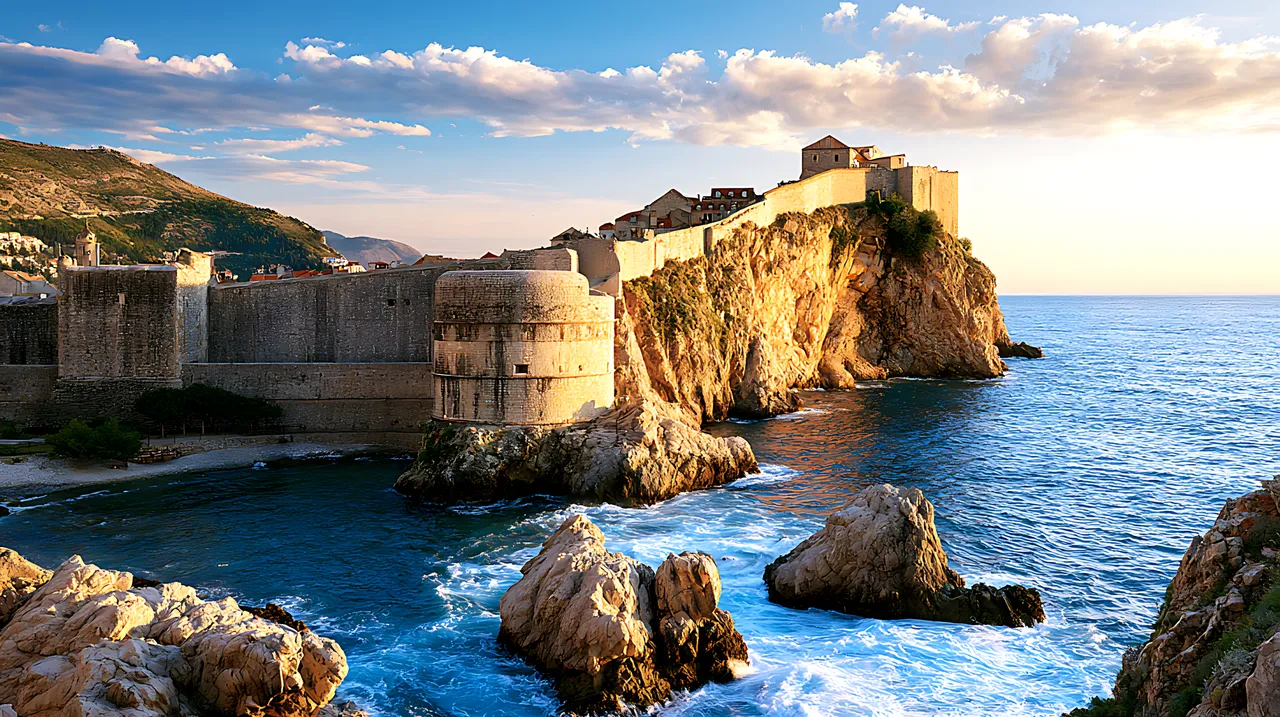
Fort Lovrijenac, Croatia
Perched on a 37-meter-high rock, Fort Lovrijenac, also known as St. Lawrence Fortress, stands as a symbol of Dubrovnik's independence and power. Built in the early 11th century, it was designed to protect the city from Venetian invasion. Today, it is a well-preserved historical site that hosts cultural events and offers breathtaking views of the Adriatic Sea and Old Town Dubrovnik.
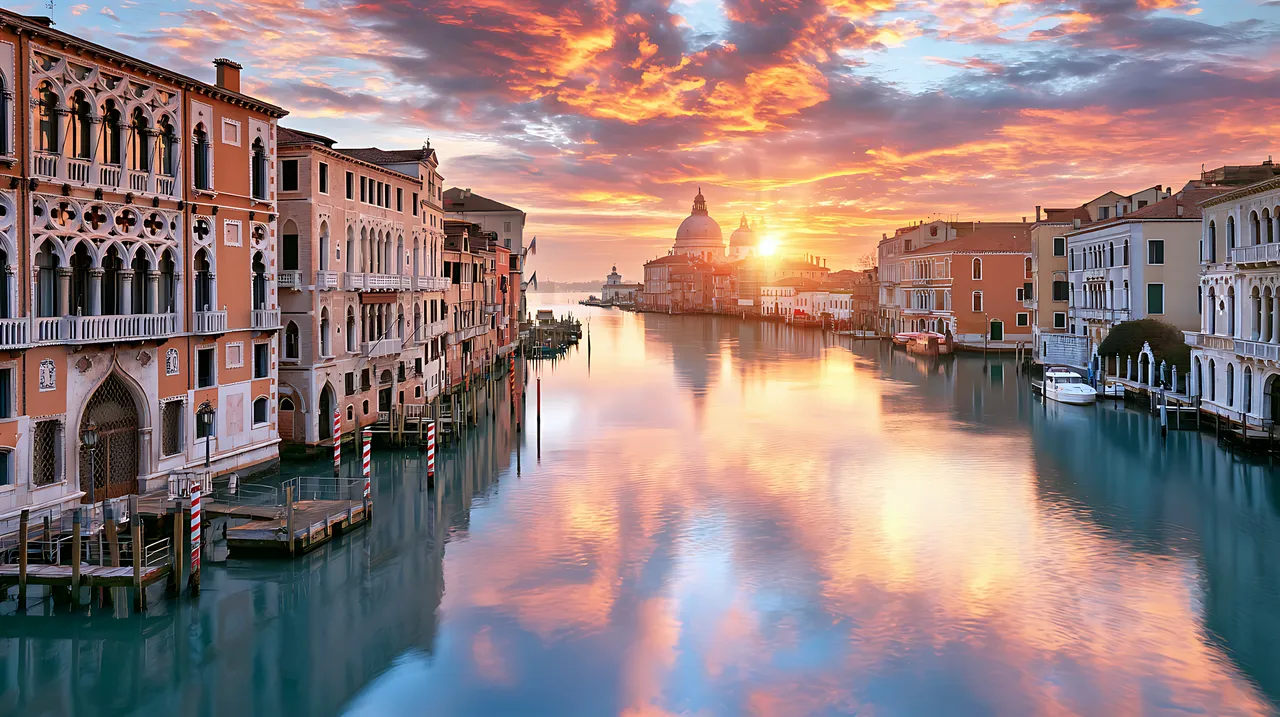
Venice
Venice is a stunning city built on a group of 118 small islands separated by canals and linked by bridges. Known as the 'City of Canals,' it is a masterpiece of Gothic architecture and a symbol of historical trade and culture. Its romantic ambiance and rich artistic heritage make it one of the most enchanting destinations in the world.

Verona
Verona is a 2000-year-old city steeped in history and romance, best known as the setting of Shakespeare's Romeo and Juliet. Its stunning Veronese pink stone buildings, ancient Roman ruins, and Renaissance gardens create a timeless atmosphere. The city also offers beautiful vineyards and wine-tasting opportunities in the surrounding Valpolicella and Soave regions.
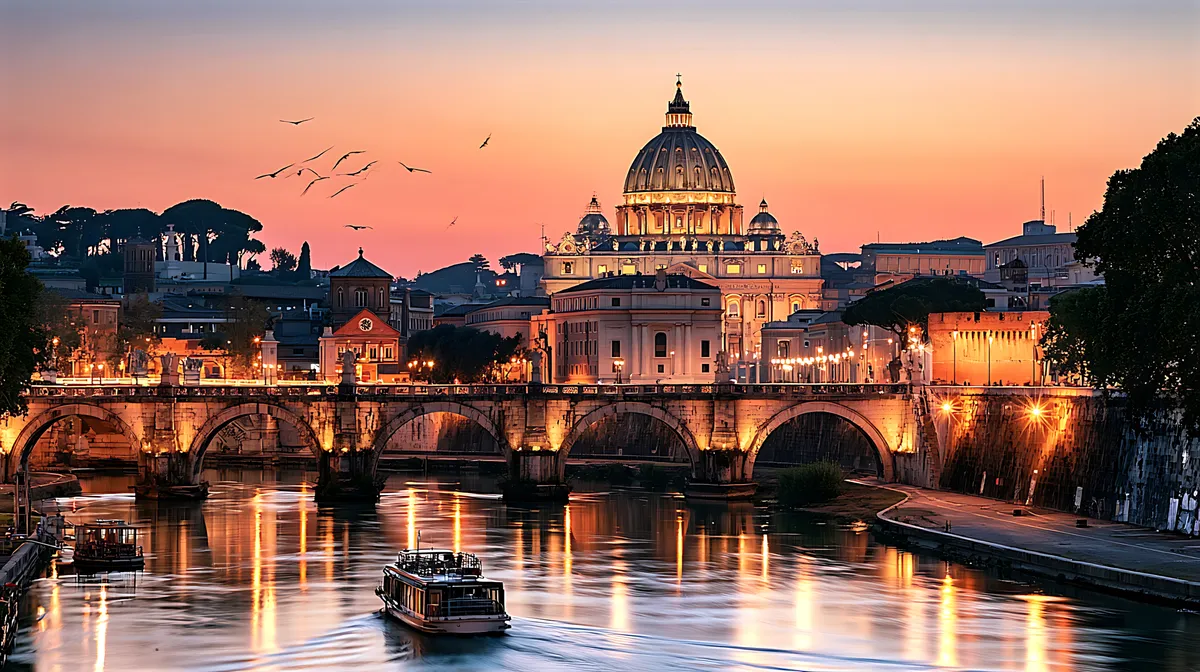
Rome
Rome, the 'Eternal City,' is a mesmerizing blend of ancient history and modern charm. Home to iconic landmarks like the Colosseum, Roman Forum, and Pantheon, it offers a glimpse into the grandeur of the Roman Empire. With its vibrant neighborhoods, world-class cuisine, and rich cultural heritage, Rome captivates travelers with its timeless allure.
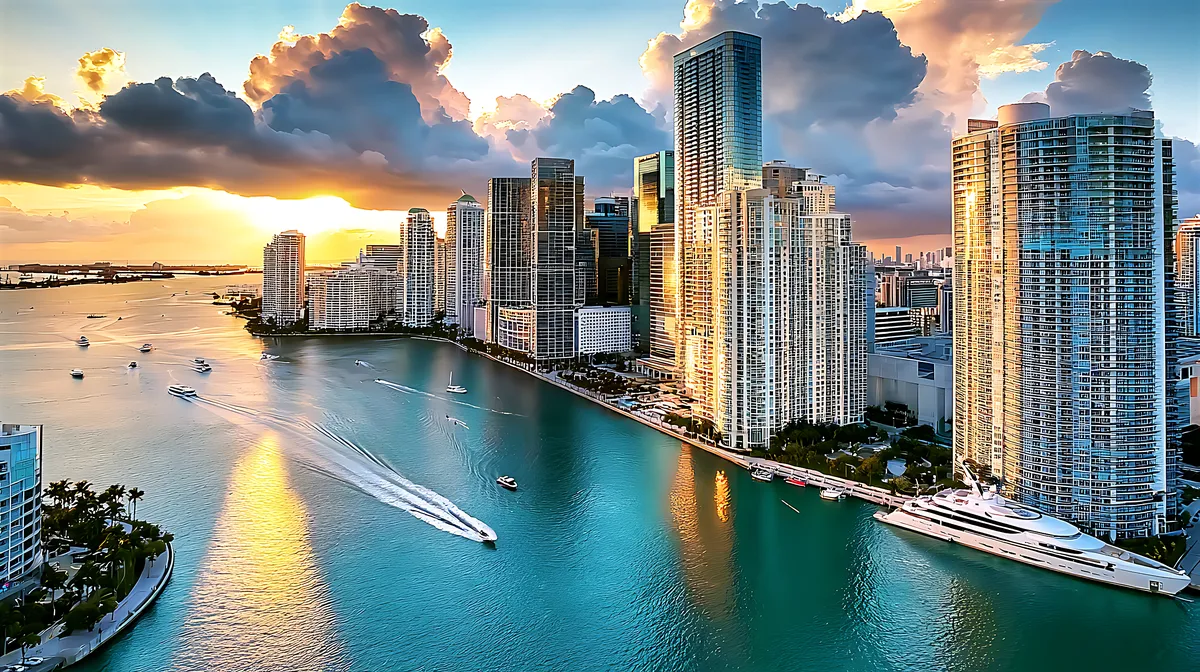
Miami
Miami is a vibrant city known for its stunning beaches, cultural diversity, and artistic energy. It blends urban excitement with natural beauty, offering everything from the colorful murals of Wynwood to the serene landscapes of the Everglades. With its rich Cuban heritage and world-class attractions, Miami is a destination that celebrates both culture and nature.
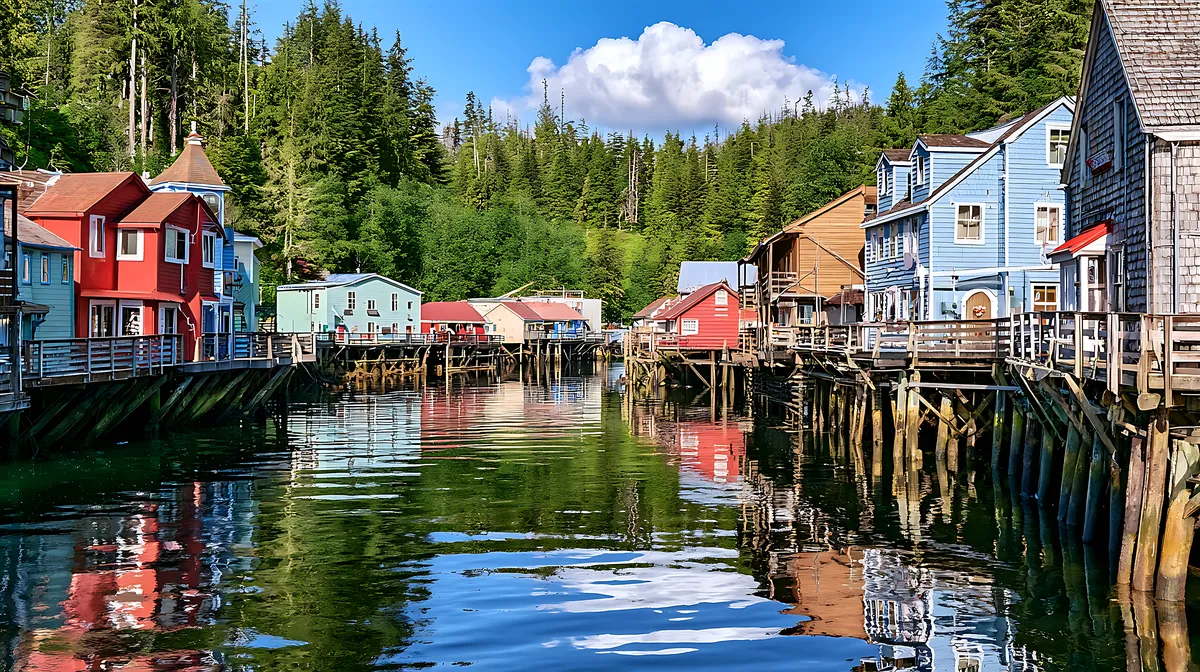
Ketchikan
Ketchikan, located on Revillagigedo Island in southeastern Alaska, is known as the 'Salmon Capital of the World' and the 'Rain Capital of Alaska.' It offers a rich Tlingit heritage and the world's largest collection of standing totem poles, making it a unique cultural and natural destination.
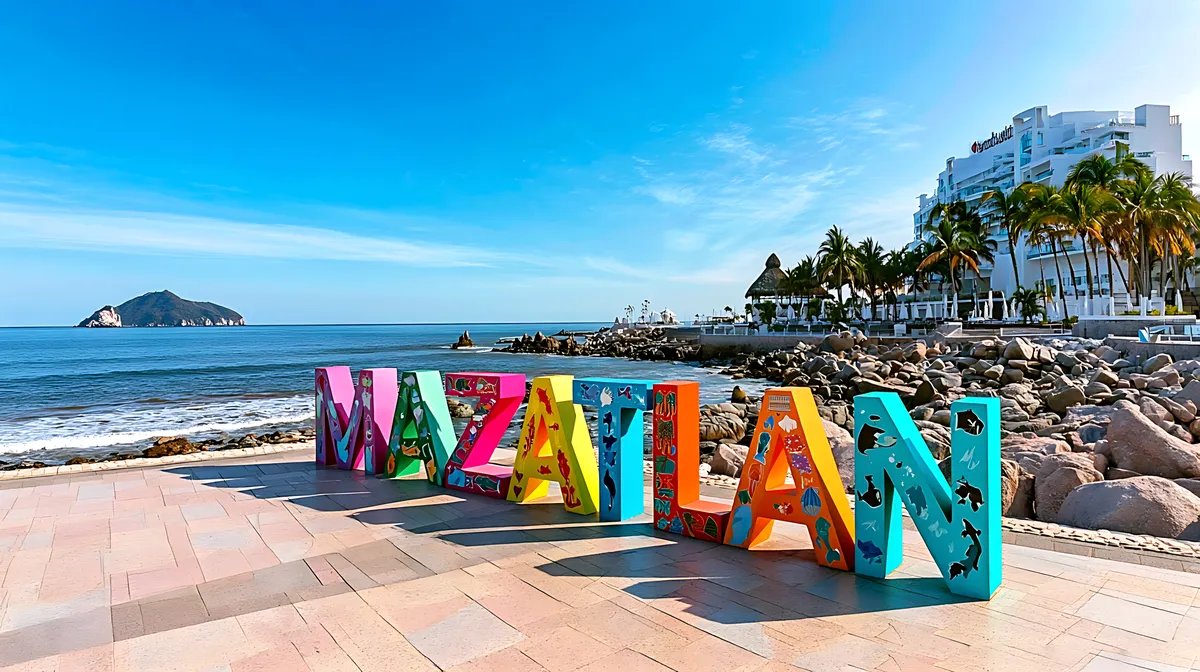
Mazatlán
Mazatlán, known as the 'Pearl of the Pacific,' boasts a stunning coastline and a well-preserved historic center filled with colorful buildings and cultural landmarks. The city offers a vibrant mix of colonial history, fresh seafood, and natural attractions like Playa Olas Altas, perfect for surfing and sunbathing. Its famous Malecón seafront promenade and seasonal whale watching make it a unique destination for both relaxation and adventure.
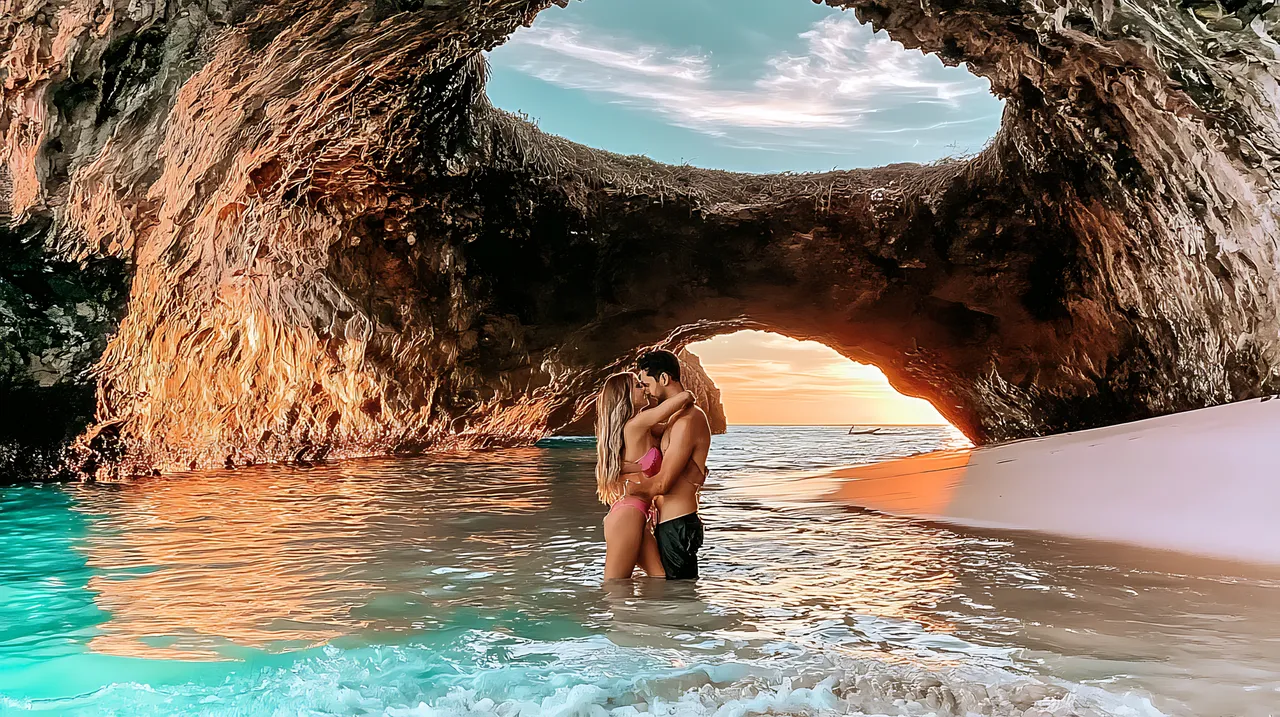
Puerto Vallarta
Puerto Vallarta is a vibrant Mexican city where chaotic energy meets genuine community, offering a unique blend of natural beauty and cultural richness. Known for its lively nightlife, stunning beaches, and world-class culinary scene, it attracts travelers seeking both adventure and authenticity. With its mild climate and picturesque setting, it's a perfect destination for those looking to experience the best of Mexico.
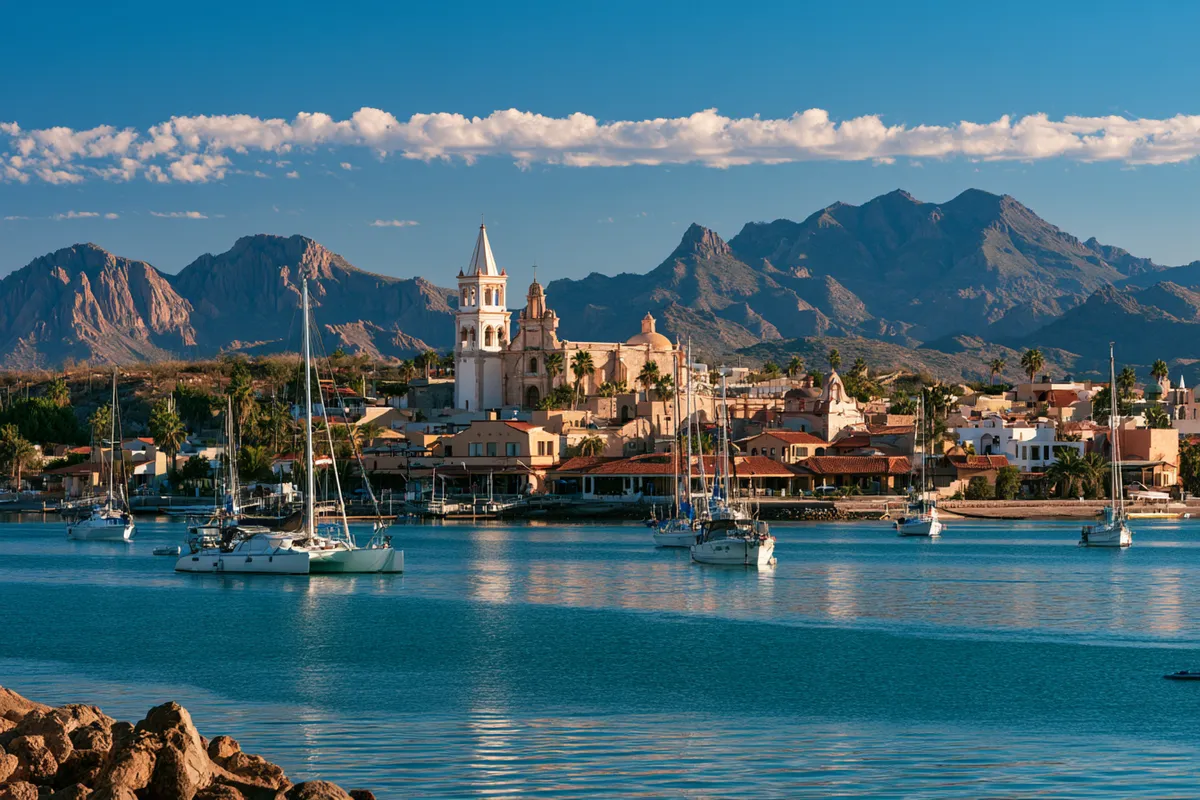
Loreto
Loreto is a charming seaside town on the Baja California Peninsula, known for its clear waters, dolphin sightings, and beach clambakes. It blends natural beauty with rich history, including the first Jesuit mission in Mexico and designation as a Pueblo Mágico. The Sea of Cortez offers incredible opportunities for water sports and wildlife encounters, making it a unique destination for adventure and relaxation.
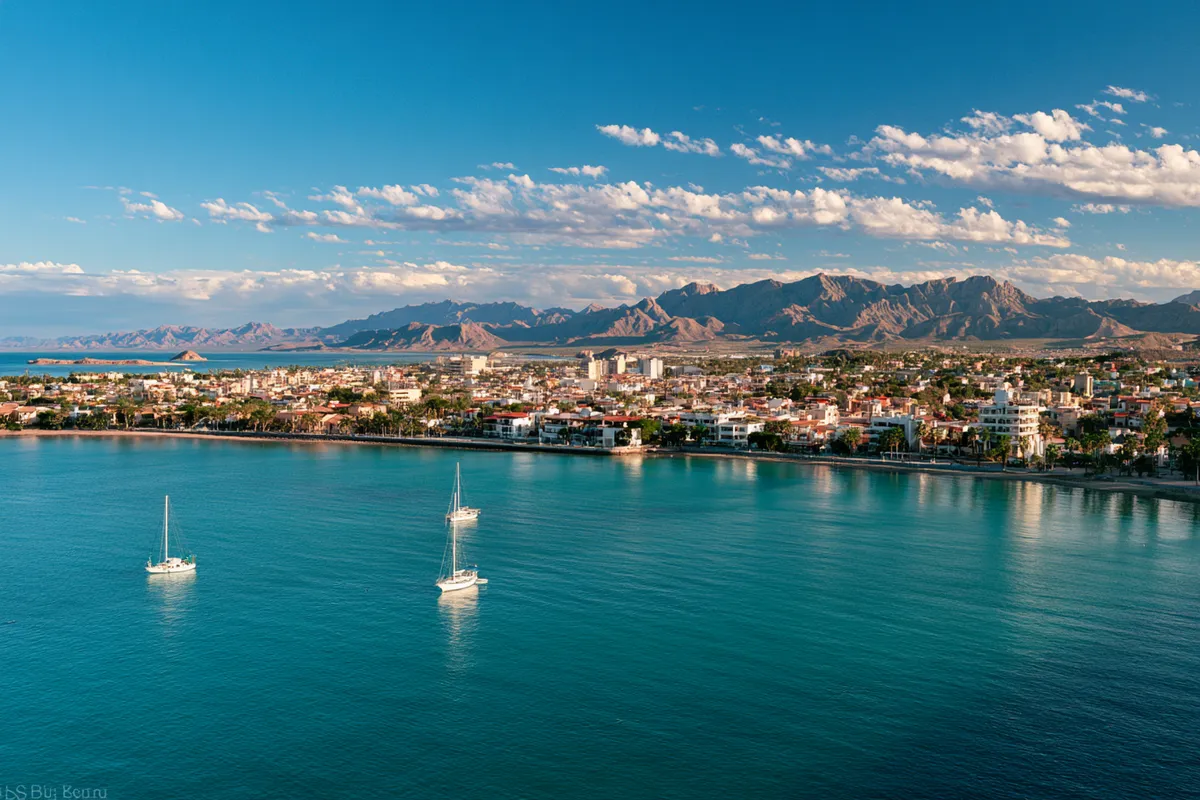
La Paz
La Paz is a serene coastal city known for its stunning beaches, crystal-clear waters, and vibrant marine life. It offers unique experiences like swimming with whale sharks and sea lions, making it a paradise for nature lovers. With a relaxed atmosphere and rich cultural heritage, La Paz blends adventure with tranquility in the heart of Baja California.
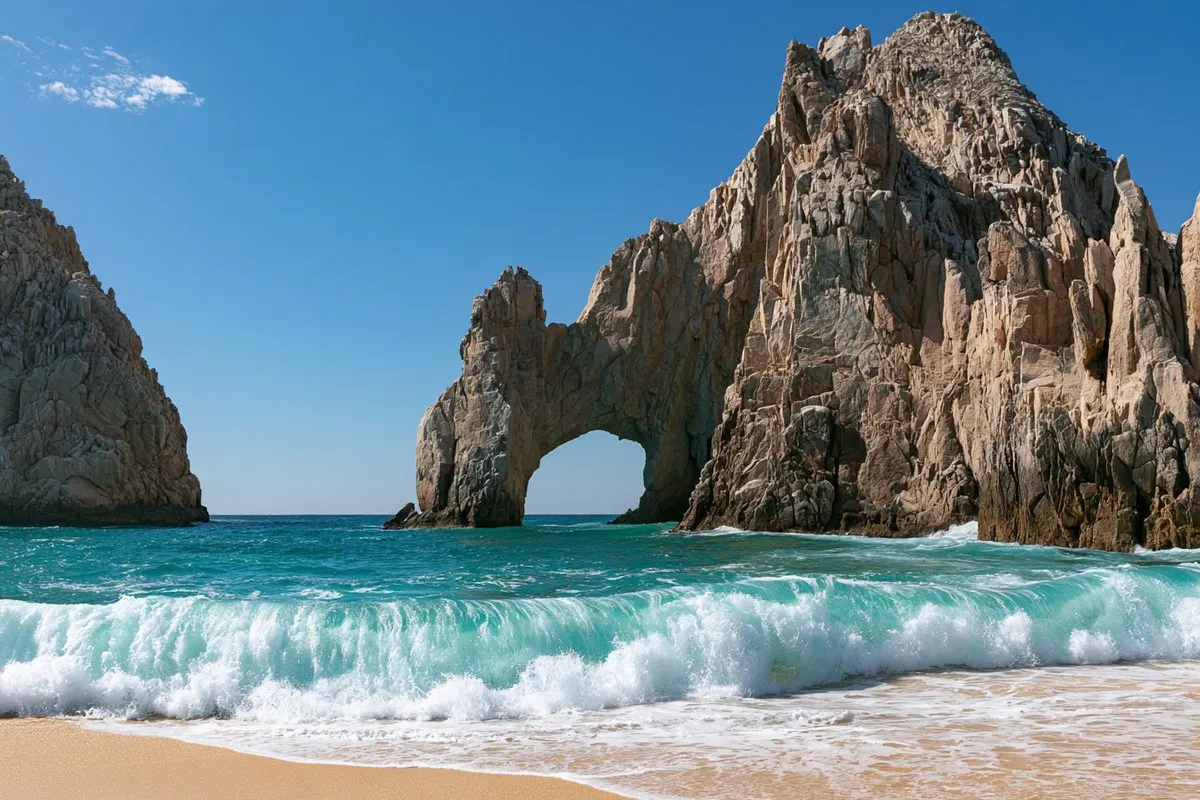
Cabo San Lucas
Cabo San Lucas is a vibrant destination known for its breathtaking natural beauty and thrilling adventures. It offers unique experiences like snorkeling with whale sharks and hiking with rescue dogs, alongside rich cultural traditions. The area is also famous for its delicious Baja-style fish tacos and other traditional Mexican dishes.
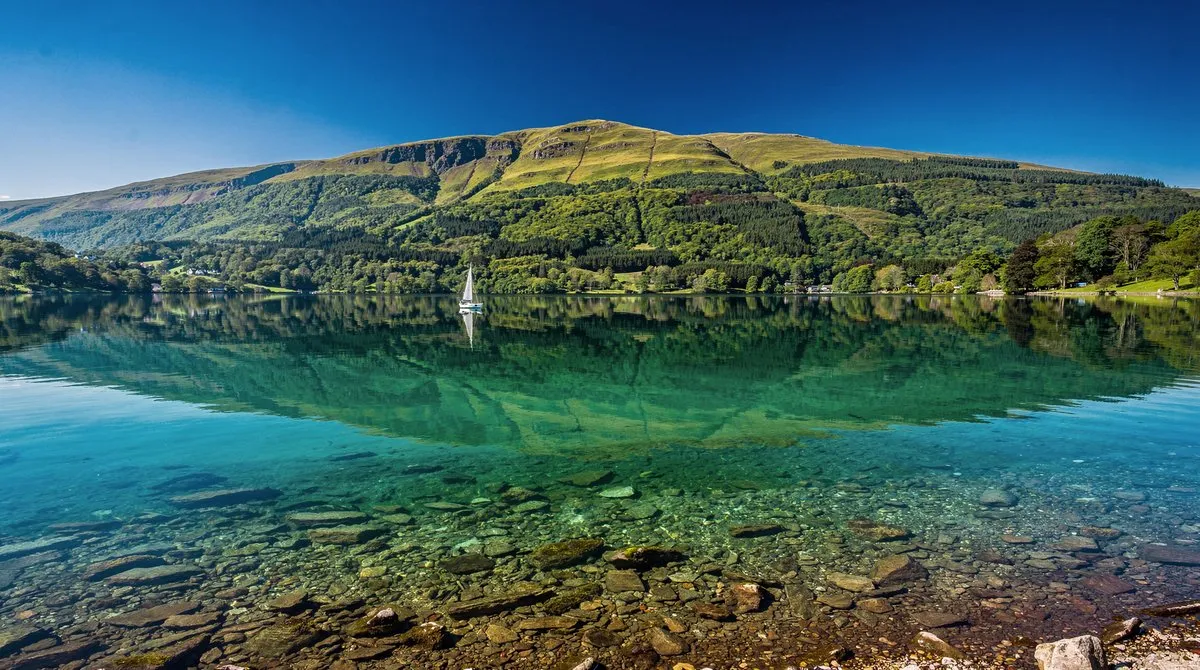
Lake District
The Lake District is a stunning UNESCO World Heritage Site known for its dramatic landscapes, including lakes, mountains, and forests. It has inspired poets and writers for centuries, offering a rich literary heritage and a magical blend of natural beauty. A favorite destination for outdoor activities, it remains one of England's most visited national parks.
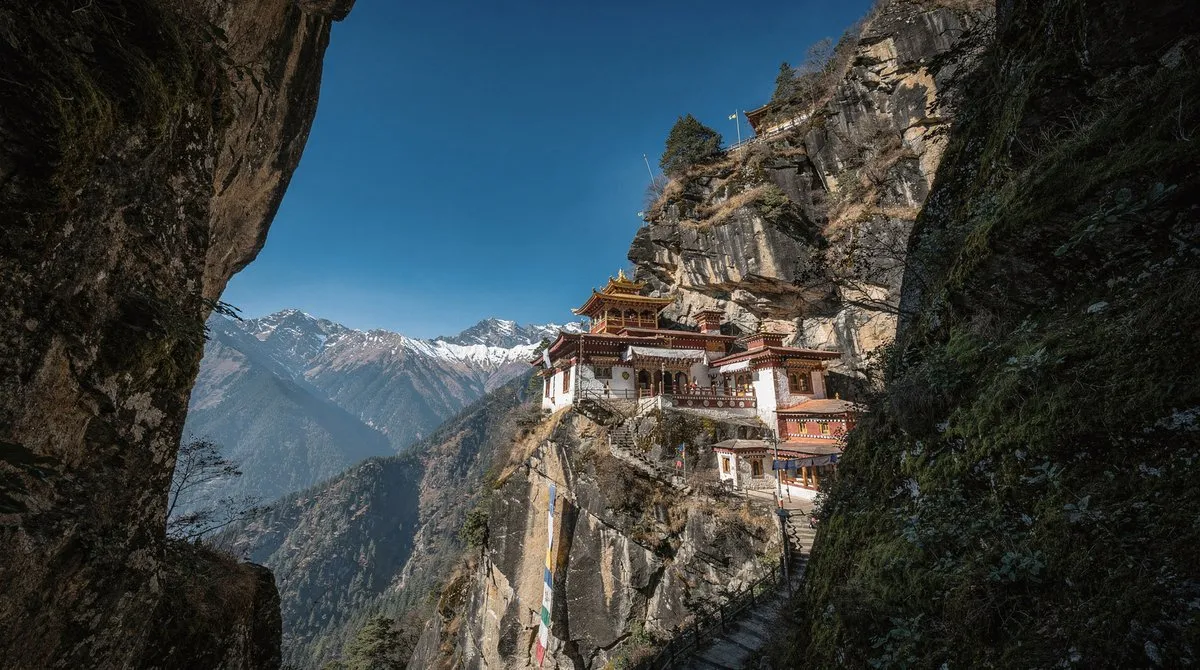
Tiger's Nest Monastery
Perched on a cliffside at 3,120 meters, Tiger's Nest Monastery is one of Bhutan's most sacred and breathtaking sites. It was built around the caves where Guru Padmasambhava meditated in the 8th century, making it a major Buddhist pilgrimage destination. The challenging hike to the monastery offers stunning views and a deeply spiritual experience.
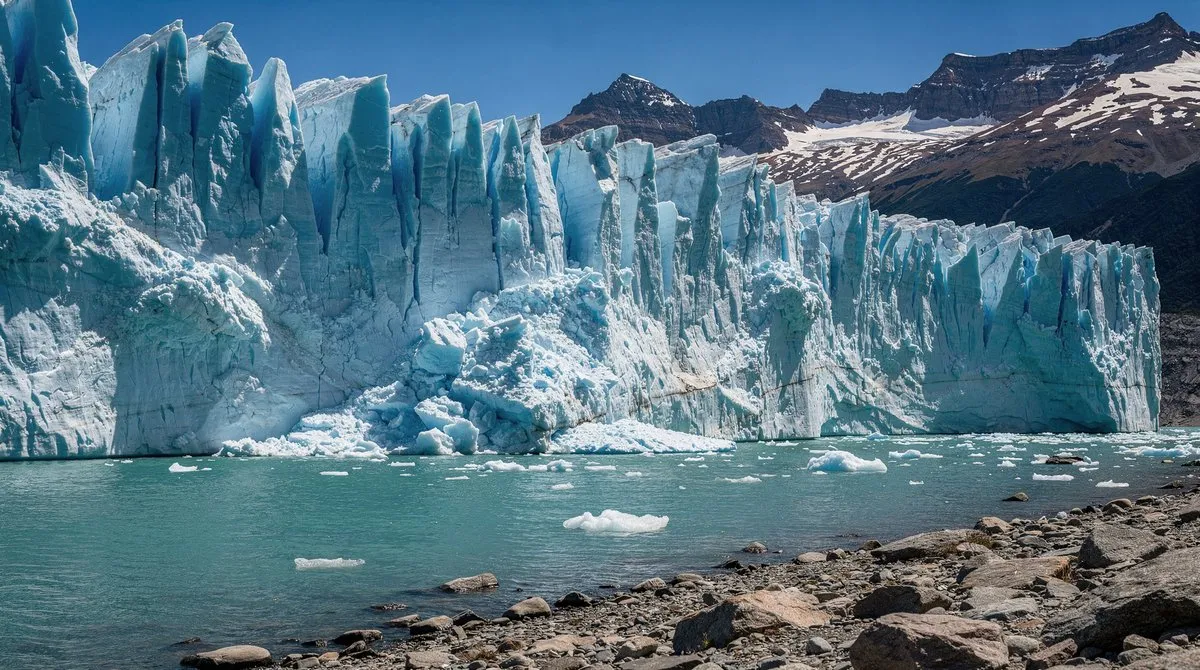
Patagonia
Patagonia is a vast and remote region known for its dramatic landscapes, towering peaks, and massive glaciers. It offers some of the most untouched and breathtaking natural beauty on Earth, with iconic hiking trails and unique wildlife. The area's rugged terrain and stunning vistas make it a dream destination for adventure seekers and nature lovers.
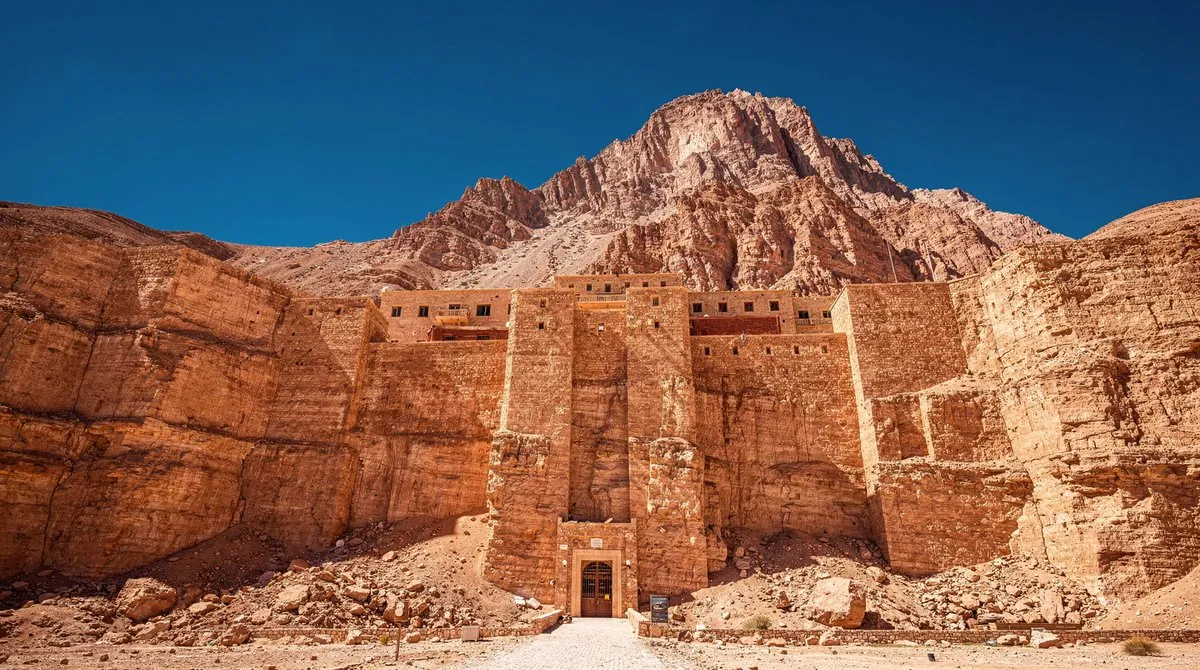
Monastery of Saint Catherine
Nestled on the slopes of Mount Sinai, the Monastery of Saint Catherine is a sacred site where Moses is believed to have received the Ten Commandments. It is one of the oldest continuously operating monasteries in the world, housing a vast library of ancient manuscripts and the Church of the Burning Bush. A UNESCO World Heritage Site, it stands as a unique spiritual convergence of Christianity, Islam, and Judaism in a breathtaking desert landscape.
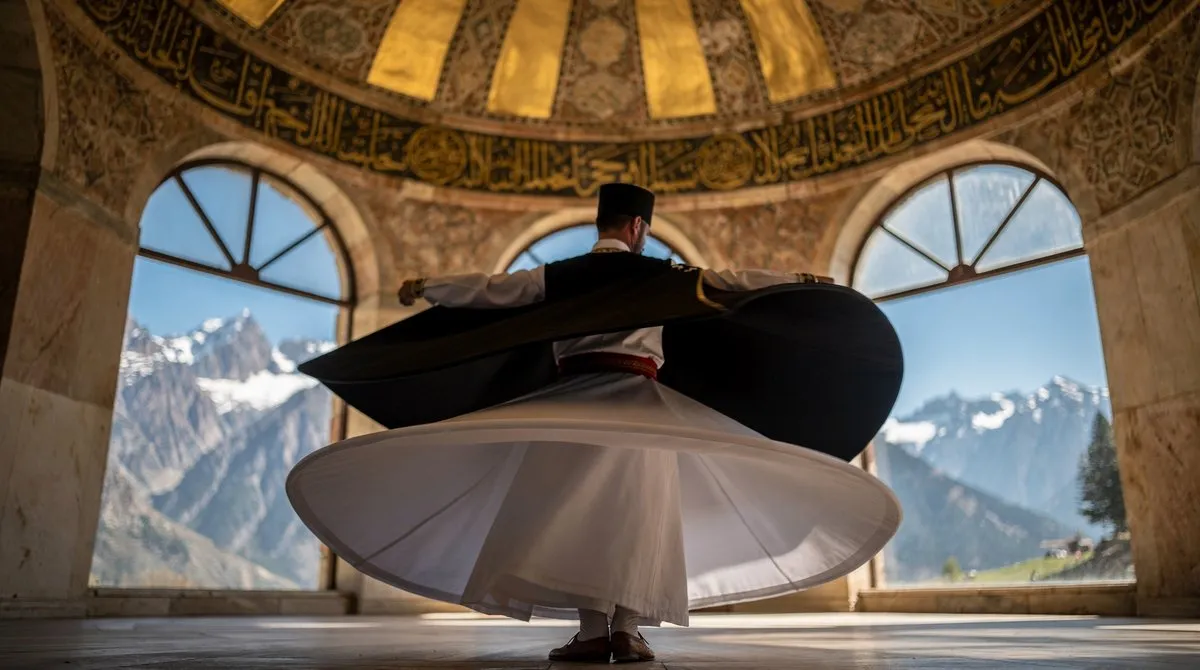
Konya
Konya is a city steeped in history and spirituality, known as the heart of Sufi tradition and the final resting place of the revered poet Rumi. It offers a unique glimpse into the mystical practices of the Mevlevi Order through the mesmerizing ritual of the whirling dervishes. The city blends ancient heritage with deep cultural significance, making it a sanctuary for those seeking spiritual enlightenment.
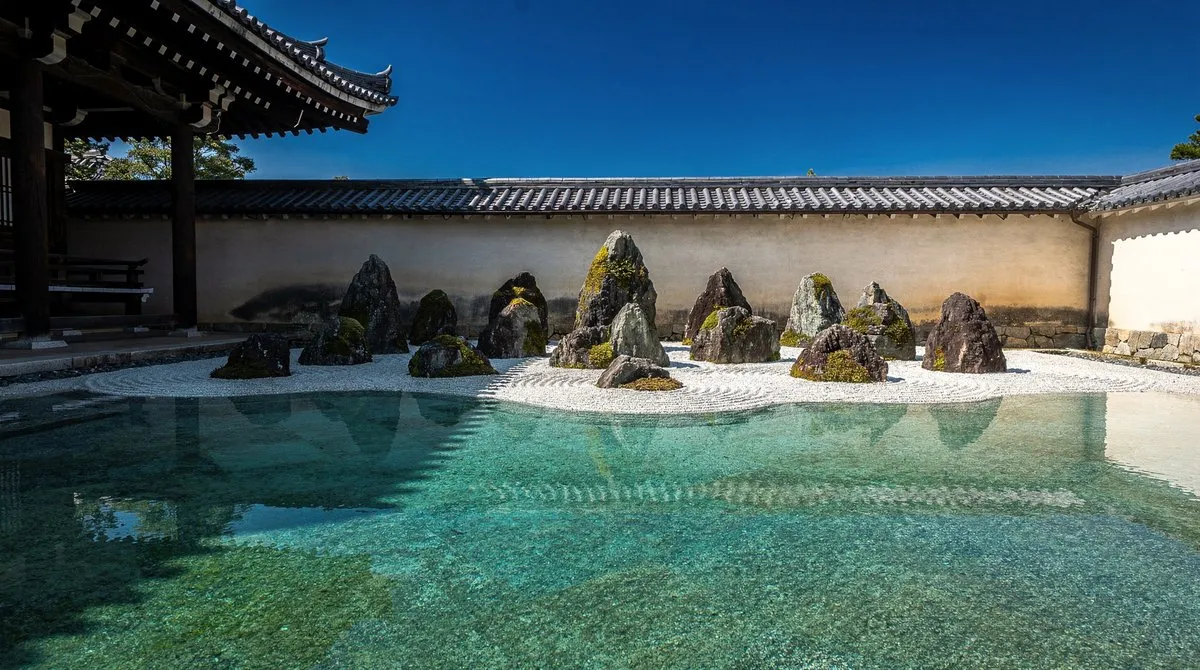
Ryōan-ji Temple
Ryōan-ji Temple is a serene Zen temple in Kyoto, renowned for its enigmatic dry landscape garden. The garden features 15 stones arranged in a sea of raked gravel, designed to inspire meditation and reflection. A UNESCO World Heritage Site, it embodies the principles of Zen Buddhism through its minimalist beauty and profound spiritual significance.
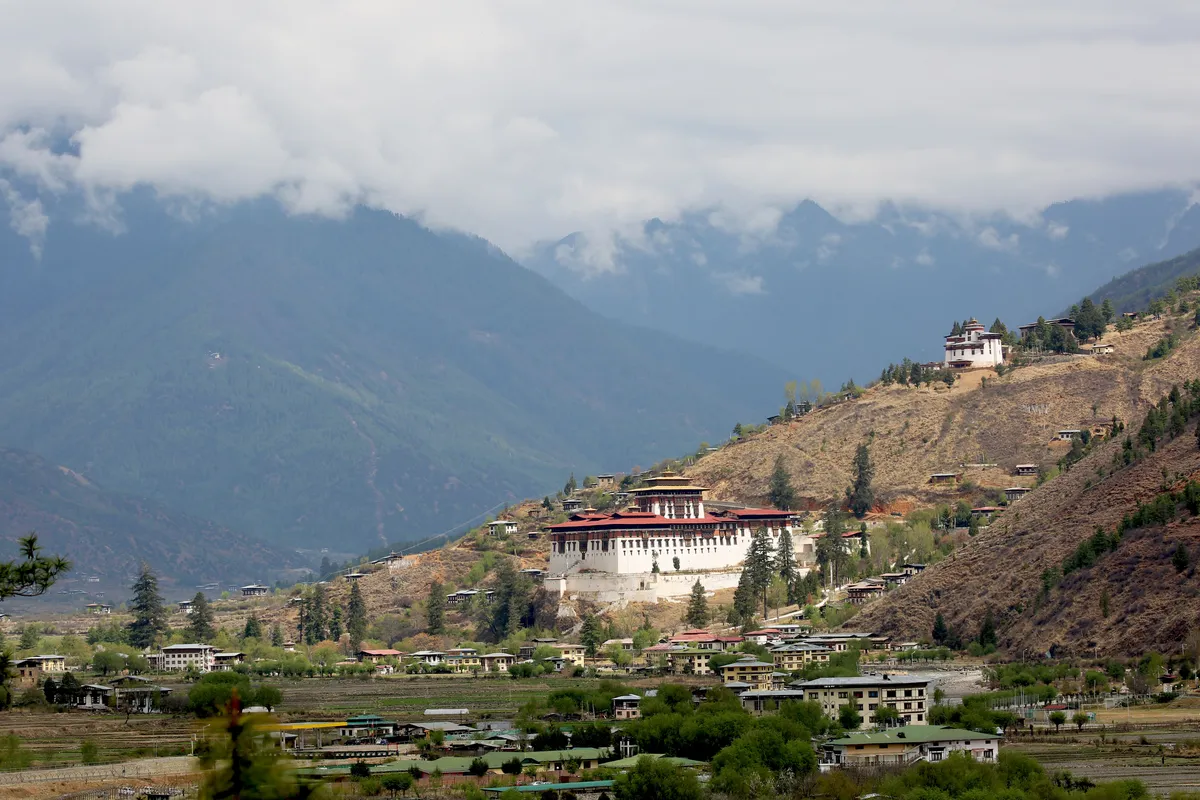
Paro Valley
Paro Valley is a serene and spiritually significant region in Bhutan, known for its breathtaking landscapes and ancient monasteries. It serves as the gateway to the country and is home to iconic sites like the Tiger's Nest Monastery and Paro Dzong. The valley offers a unique blend of natural beauty, cultural heritage, and Buddhist traditions that create an unforgettable experience.