
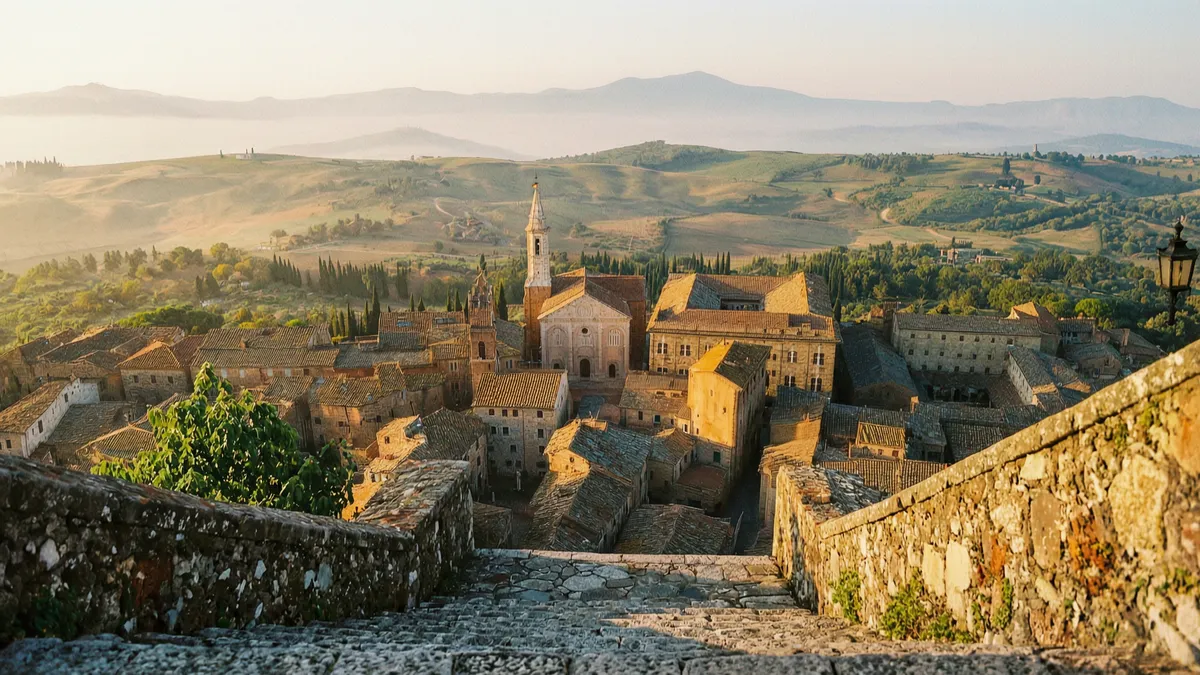
Pienza
“Pienza is a charming town in Tuscany, renowned for its Renaissance urban planning and humanist ideals. Designed by Pope Pius II, it showcases the influence of Renaissance architects like Leon Battista Alberti. Its well-preserved architecture and scenic beauty make it a unique cultural and historical destination.”
Things To Do


Sensory Vibe
Explore
Pienza: A Renaissance Gem in Tuscany
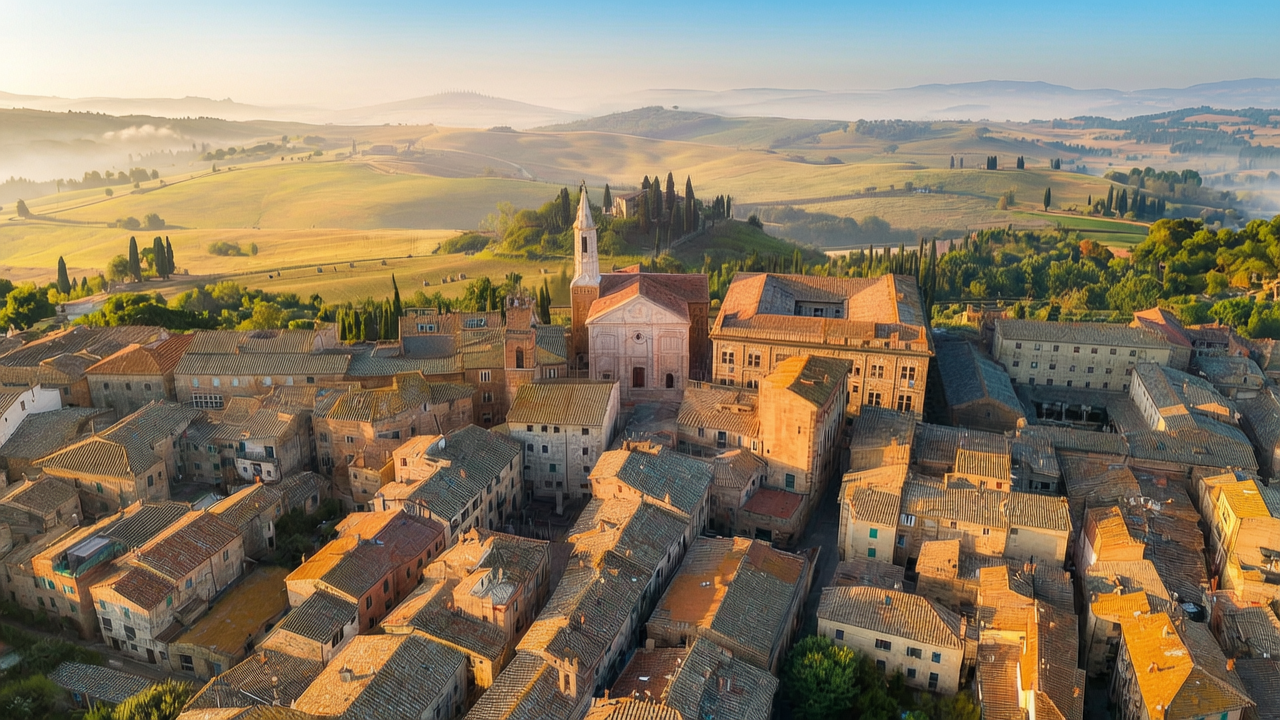
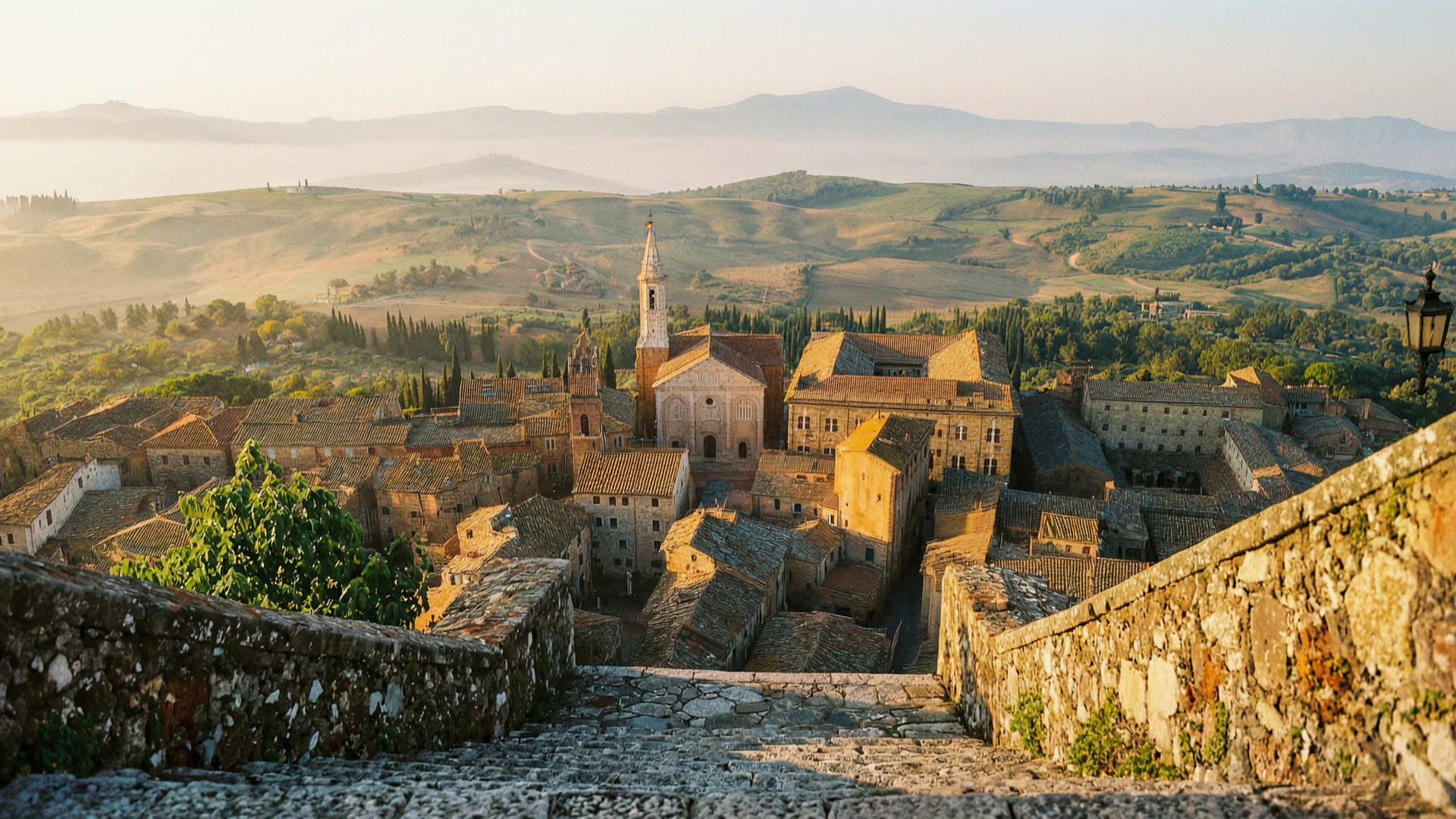
Pienza is a charming town in Tuscany, Italy, renowned for its exceptional Renaissance architecture and urban planning. Originally known as Corsignano, the town was redesigned and renamed by Pope Pius II, who envisioned it as an ideal city based on humanist principles. This transformation gave Pienza its unique layout, with wide streets and harmonious buildings that reflect the influence of Renaissance architects like Leon Battista Alberti. In 1996, the historic center of Pienza was declared a UNESCO World Heritage Site, recognizing its cultural and historical significance.
Piazza Pio II
The central square of Pienza, surrounded by important buildings such as the Palazzo Piccolomini, Duomo, and Palazzo Vescovile. It is a symbol of the town's Renaissance design.
💡 Visit during the day to enjoy the beautiful architecture and peaceful atmosphere.
Book experience →Val d'Orcia
A picturesque valley known for its rolling hills, cypress trees, and stunning landscapes that surround Pienza.
💡 Take a scenic drive or walk through the valley to fully appreciate the breathtaking views.
Book experience →Architectural Highlights of Pienza
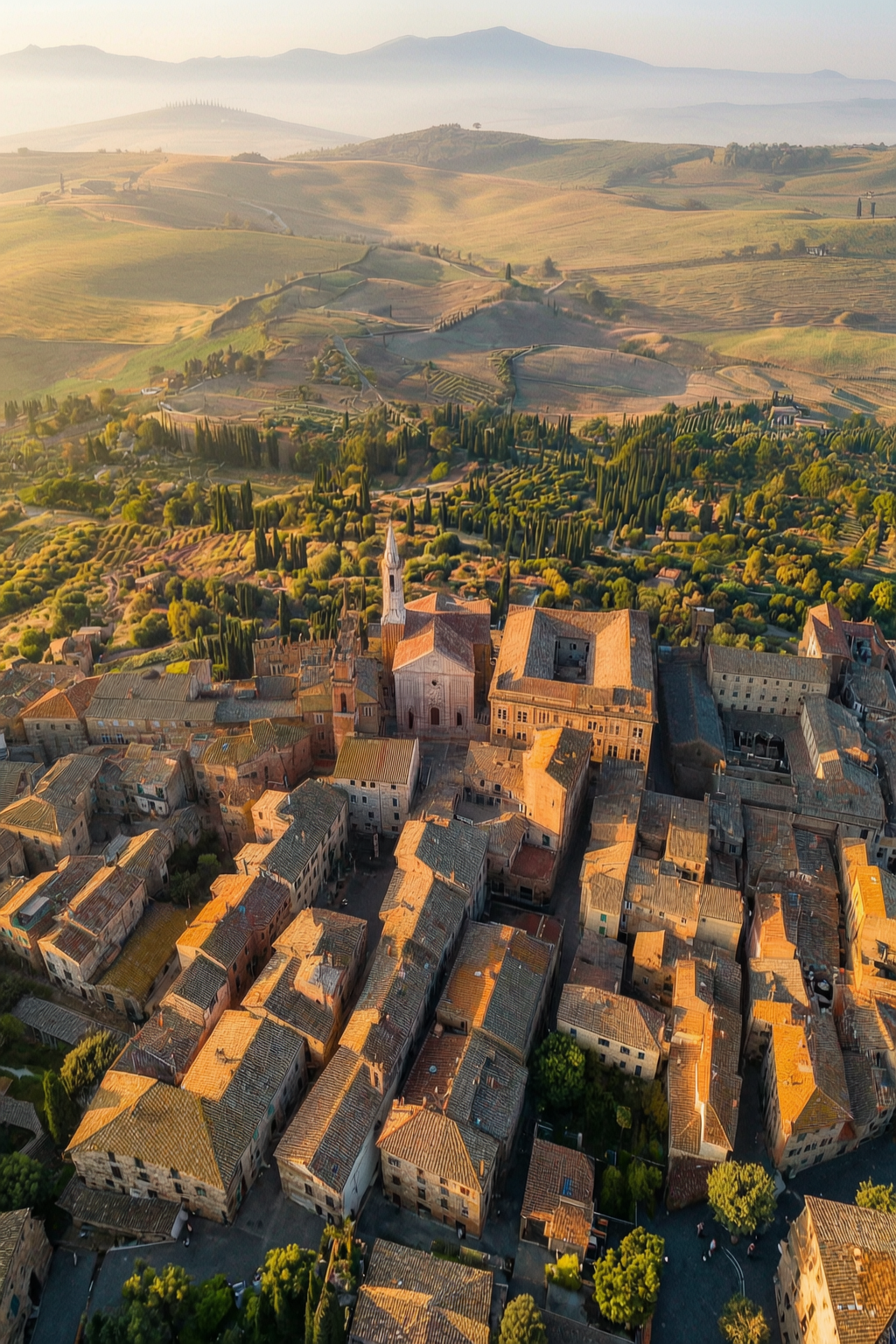
Pienza's architectural legacy is one of its most striking features, with many buildings showcasing the transition from medieval to Renaissance styles. The town's design reflects the ideals of the Renaissance, emphasizing symmetry, proportion, and harmony. Among the most notable structures are the Duomo di Pienza and the Palazzo Piccolomini, both of which exemplify the artistic and intellectual currents of the time. These landmarks not only highlight the town's historical importance but also offer visitors a glimpse into the grandeur of the Renaissance era.
Duomo di Pienza
The cathedral of Pienza, built during the Renaissance period and dedicated to St. Andrew the Apostle. It features early Renaissance architectural elements and notable artworks.
💡 Don't miss the frescoes and the intricate details of the interior.
Book experience →Palazzo Piccolomini
The main residence of Pope Pius II, located on the western side of Piazza Pio II. It showcases Renaissance architecture and includes an internal court with a beautiful garden.
💡 Explore the courtyard and garden for a peaceful retreat.
Book experience →Cultural and Historical Significance
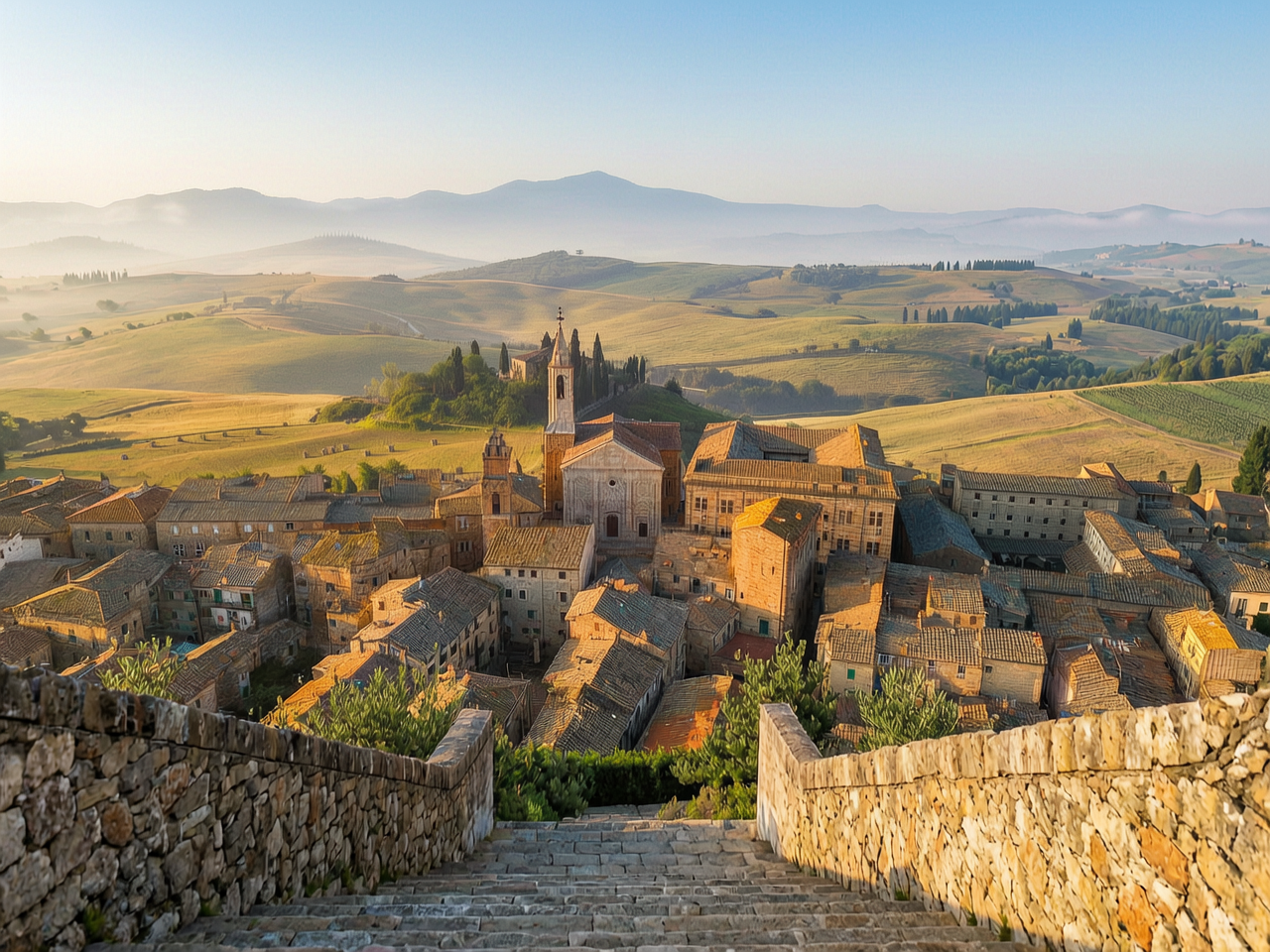
Beyond its architectural beauty, Pienza holds deep cultural and historical value. Its origins date back to the 9th century, when it was known as Corsignano. Under Pope Pius II's vision, the town was transformed into a model of Renaissance urban planning, making it one of the earliest examples of a planned city. Today, Pienza continues to attract visitors with its rich history, artistic heritage, and stunning natural surroundings. The town's designation as a UNESCO World Heritage Site underscores its global significance and ensures that its legacy will be preserved for future generations.
Palazzo Vescovile
A historic building that served as the residence of the Bishop of Pienza. It now houses the Diocesan Museum and the Museo della Cattedrale.
💡 Visit the museum to learn more about the religious and cultural history of the region.
Book experience →Pienza Cathedral
A beautiful blend of Renaissance and Gothic architecture, housing impressive 15th-century paintings. It is one of the main landmarks in the Piazza Pio II.
💡 Admire the artwork and the unique architectural style of the cathedral.
Book experience →Itinerary
Arrival and exploration of Piazza Pio II
Piazza Pio II, Pienza
Sit on the stone bench near the fountain. Inhale the scent of fresh bread from a nearby bakery and name 3 things you can hear in the square.
Visit Duomo di Pienza
Duomo di Pienza, Pienza
Stand in the center of the cathedral. Let your fingers brush the cool marble floor as you take three deep breaths, noticing the echo of your own voice in the space.
Walk through Palazzo Piccolomini
Palazzo Piccolomini, Pienza
Pause at the top of the spiral staircase. Feel the weight of your body as you stand still, then slowly descend, focusing on the sound of your footsteps on the ancient stone.
Lunch at a local trattoria
Trattoria Da Enzo or similar
Savor a bowl of handmade pasta. Take a moment to notice the texture of the food and the warmth of the soup against your hands.
Visit Palazzo Vescovile
Palazzo Vescovile, Pienza
Sit in the courtyard and listen to the gentle rustle of leaves in the breeze. Notice how the light shifts across the stone walls as you sit quietly.
Stroll through Pienza Cathedral
Pienza Cathedral, Pienza
Stand beneath the central archway. Close your eyes and let the sound of distant church bells guide your breathing for a few moments.
Relax at a local café or garden
Caffè dell'Arco or Piazza Pio II gardens
Sip a coffee while watching the shadows lengthen across the piazza. Notice the way the light changes as the sun moves higher in the sky.
Departure or optional visit to a nearby farm
Nearby agriturismo or farm
If visiting a farm, sit in the shade of an olive tree. Let your hands rest on the rough bark and breathe in the earthy scent of the soil.
Practical Info
Stay
Hostels and budget guesthouses start at around €50 per night.
Food
Local restaurants offer affordable meals, with main courses averaging €15-€20.
Transport
Public transport within the region is reasonably priced, while car rentals can cost €30-€50 per day.
Activities
Many attractions, such as the Pienza Cathedral and the historic center, are free or have low entry fees.
autumn
Cooler and more comfortable, with temperatures between 10°C and 20°C.
spring
Mild and pleasant, with average temperatures ranging from 12°C to 20°C.
summer
Hot and dry, with temperatures often exceeding 30°C.
winter
Cold and wet, with temperatures averaging 4°C to 10°C.
- Visit Pienza early in the morning to avoid crowds and enjoy the peaceful atmosphere.
- Take a guided tour to learn about the town's history and Renaissance architecture.
- Comfortable walking shoes for exploring the town
- Light clothing for warm weather
Pienza is accessible by car or public transport. The nearest major airports are Pisa International Airport (approx. 1.5 hours by car) and Florence Airport (approx. 1 hour by car). From these airports, you can rent a car or take a bus to Pienza. Alternatively, regional trains connect to nearby cities like Siena or Montepulciano, from which you can take a bus or taxi to Pienza.
FAQ
What is Pienza best known for?
Pienza is a charming town in Tuscany, renowned for its Renaissance urban planning and humanist ideals. Designed by Pope Pius II, it showcases the influence of Renaissance architec…
What is the best time to visit Pienza?
The best time to visit is generally May-September.
How many days should I spend in Pienza?
Itinerary plans are typically 1 day or 3 days, letting you explore the main sights at your own pace.
Where is Pienza located?
Pienza is located in Tuscany, Italy.
How do I get to Pienza?
Pienza is accessible by car or public transport. The nearest major airports are Pisa International Airport (approx. 1.5 hours by car) and Florence Airport (approx. 1 hour by car). From these airports…
Pre-Trip Essentials
Citizens of the US, EU, and UK do not require a visa for short stays (up to 90 days) in Italy.
Euro(EUR)
Cash is widely accepted, but credit cards are also commonly used. ATMs are available in the town. Tipping is not expected, but small amounts may be left for exceptional service.
Italian
English is widely understood, especially in tourist areas. Basic Italian phrases can be helpful.
230V, Type C/F
Standard European two-pin plugs are used. No adapter is needed if you have European-style plugs.
📸Photo & Video Gallery
Nearby Restaurants(50)Ranked by usRanked by us — distance & listing completeness
Plan Your Visit
Places to Stay
Recommended Experiences
Visit Duomo di Pienza
Book Visit Duomo di Pienza in Pienza
Walk through Palazzo Piccolomini
Book Walk through Palazzo Piccolomini in Pienza
Visit Palazzo Vescovile
Book Visit Palazzo Vescovile in Pienza
Visit Piazza Pio II
Book Visit Piazza Pio II in Pienza
Explore Duomo di Pienza
Book Explore Duomo di Pienza in Pienza
Visit Palazzo Piccolomini
Book Visit Palazzo Piccolomini in Pienza
Affiliate links
✨You might also like
✨Explore more
Cascade Del Mulino
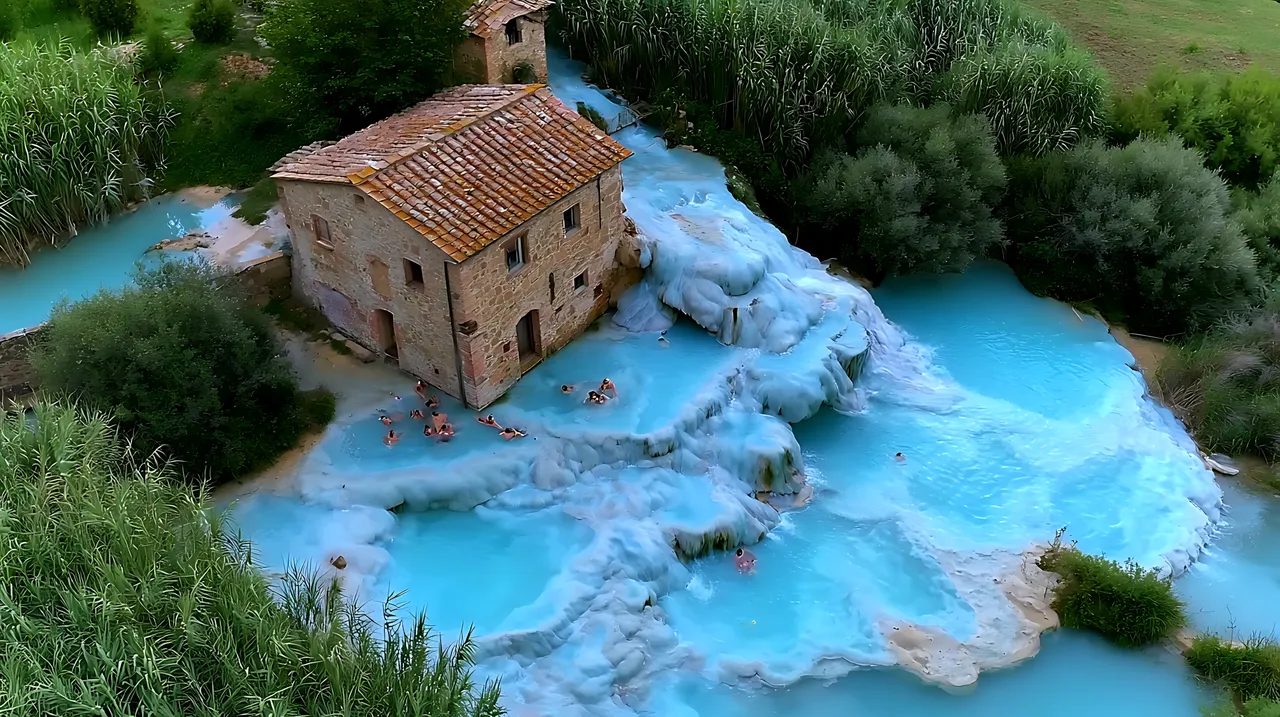
Nestled in the heart of Tuscany, the Cascate del Mulino is a natural wonder where thermal waters cascade into serene pools. The constant 37.5°C (98.6°F) temperature and mineral-rich waters offer a therapeutic experience, surrounded by the breathtaking Maremma countryside. This free, open-air spa has been a source of relaxation since ancient times, with legends attributing its creation to the gods. Whether you visit in the early morning or at sunset, the cascades provide a tranquil escape from th
McArthur-Burney Falls
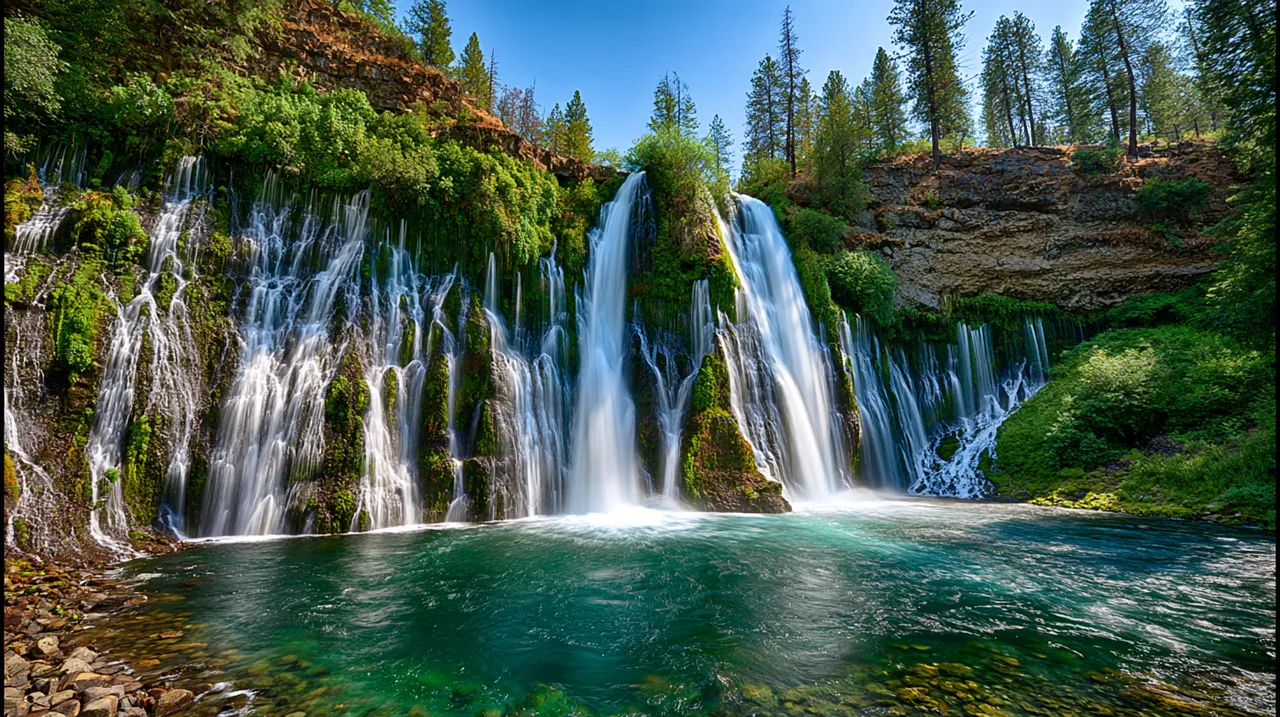
Nestled in the Cascade Range and Modoc Plateau, McArthur–Burney Falls Memorial State Park is a natural wonder that captivates visitors with its stunning 129-foot waterfall. The park, one of California's oldest, offers a serene and picturesque setting for hiking, fishing, and watersports. The falls, fed by underground springs, maintain a consistent flow year-round, creating a mesmerizing curtain of water that plunges into a mist-filled basin. The surrounding evergreen forests and volcanic landsca
Fort Lovrijenac, Croatia
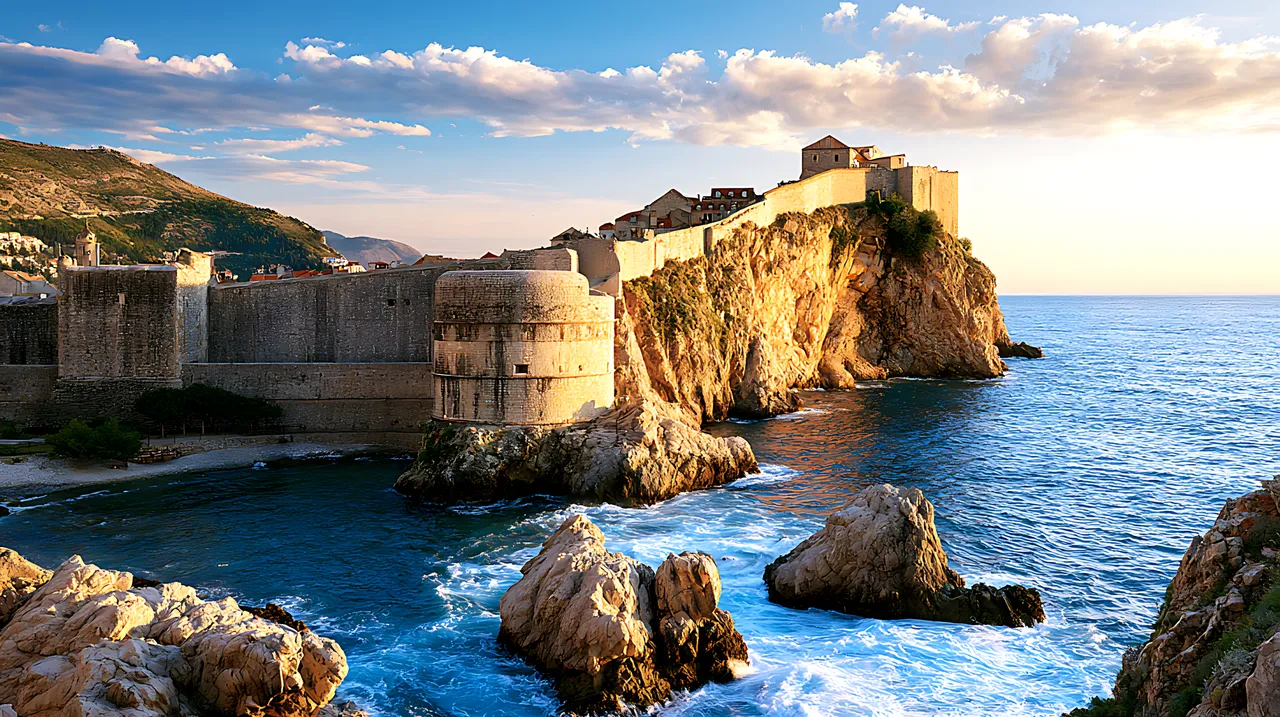
Perched on a 37-meter-high rock, Fort Lovrijenac, also known as St. Lawrence Fortress, stands as a symbol of Dubrovnik's independence and power. Built in the early 11th century, it was designed to protect the city from Venetian invasion. Today, it is a well-preserved historical site that hosts cultural events and offers breathtaking views of the Adriatic Sea and Old Town Dubrovnik.
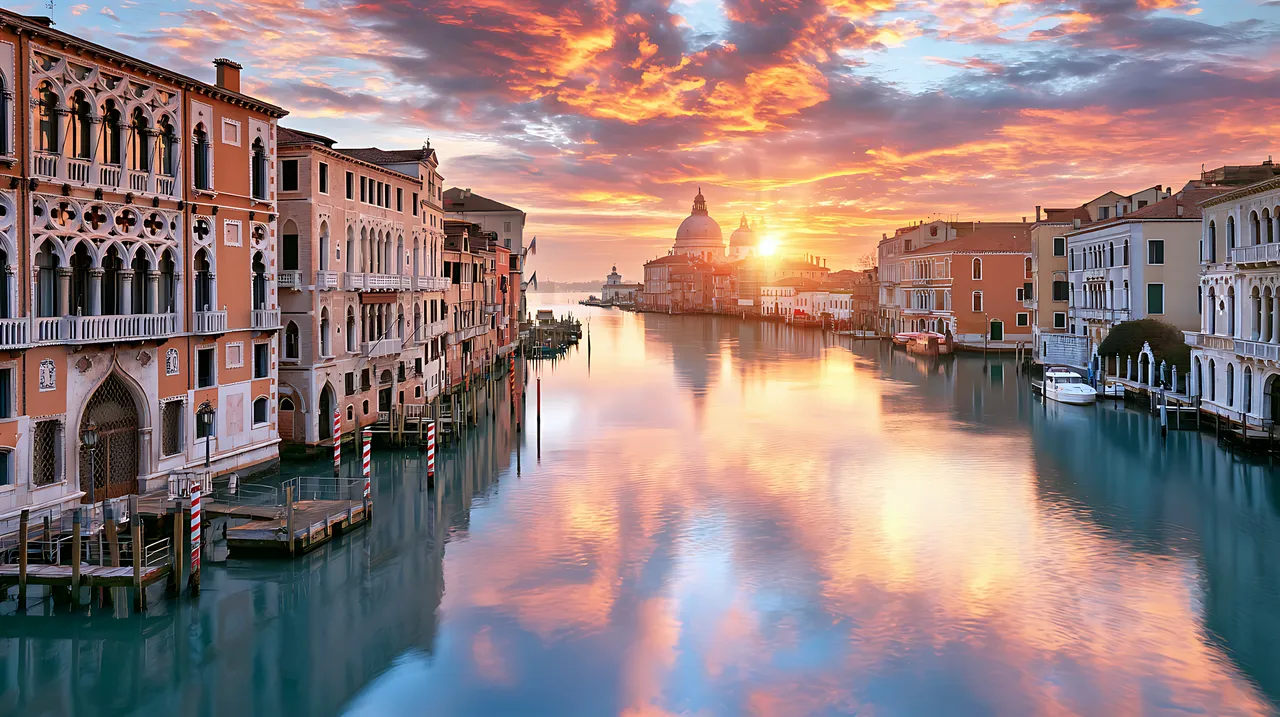
Venice
Venice is a stunning city built on a group of 118 small islands separated by canals and linked by bridges. Known as the 'City of Canals,' it is a masterpiece of Gothic architecture and a symbol of historical trade and culture. Its romantic ambiance and rich artistic heritage make it one of the most enchanting destinations in the world.

Verona
Verona is a 2000-year-old city steeped in history and romance, best known as the setting of Shakespeare's Romeo and Juliet. Its stunning Veronese pink stone buildings, ancient Roman ruins, and Renaissance gardens create a timeless atmosphere. The city also offers beautiful vineyards and wine-tasting opportunities in the surrounding Valpolicella and Soave regions.
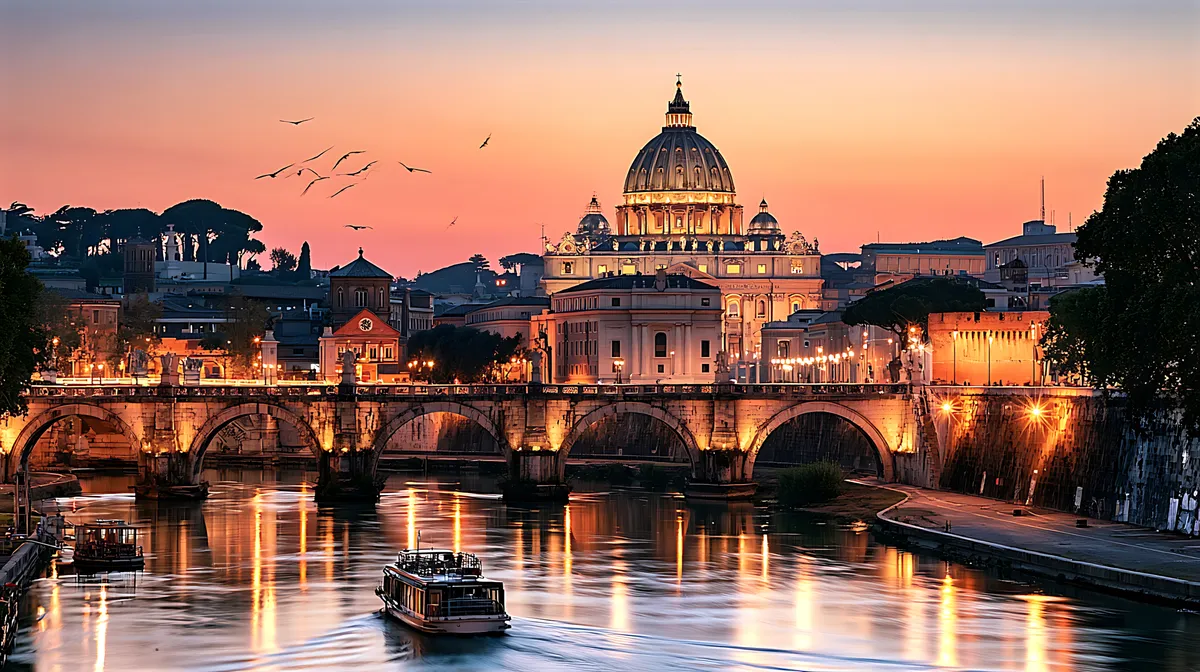
Rome
Rome, the 'Eternal City,' is a mesmerizing blend of ancient history and modern charm. Home to iconic landmarks like the Colosseum, Roman Forum, and Pantheon, it offers a glimpse into the grandeur of the Roman Empire. With its vibrant neighborhoods, world-class cuisine, and rich cultural heritage, Rome captivates travelers with its timeless allure.
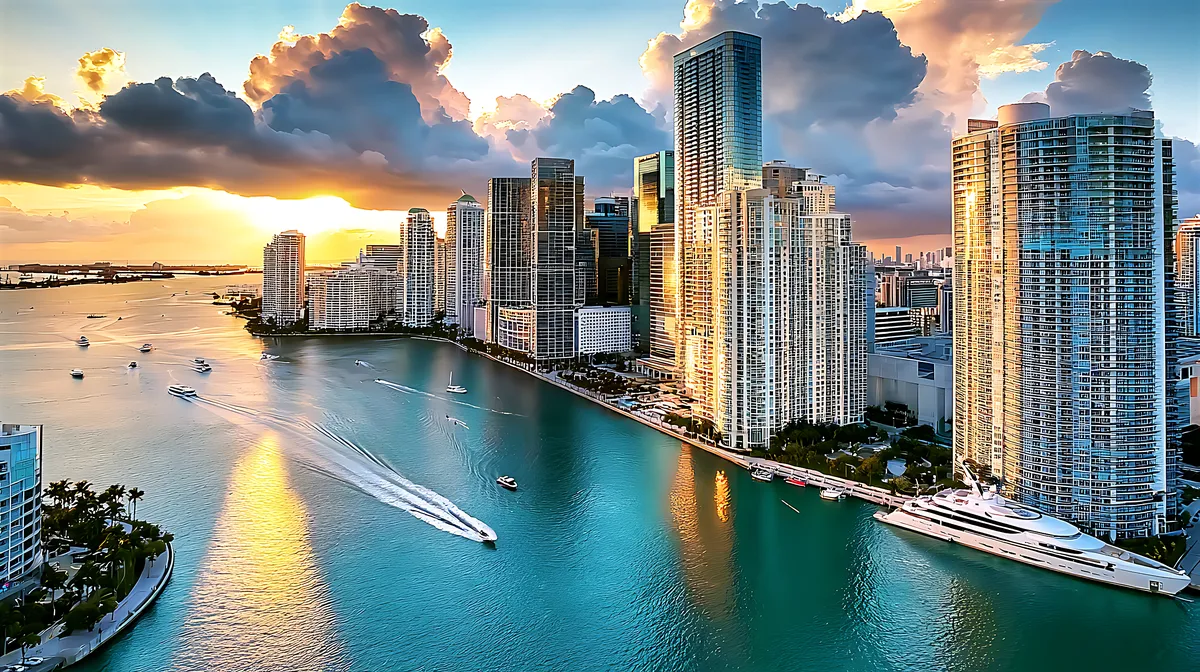
Miami
Miami is a vibrant city known for its stunning beaches, cultural diversity, and artistic energy. It blends urban excitement with natural beauty, offering everything from the colorful murals of Wynwood to the serene landscapes of the Everglades. With its rich Cuban heritage and world-class attractions, Miami is a destination that celebrates both culture and nature.
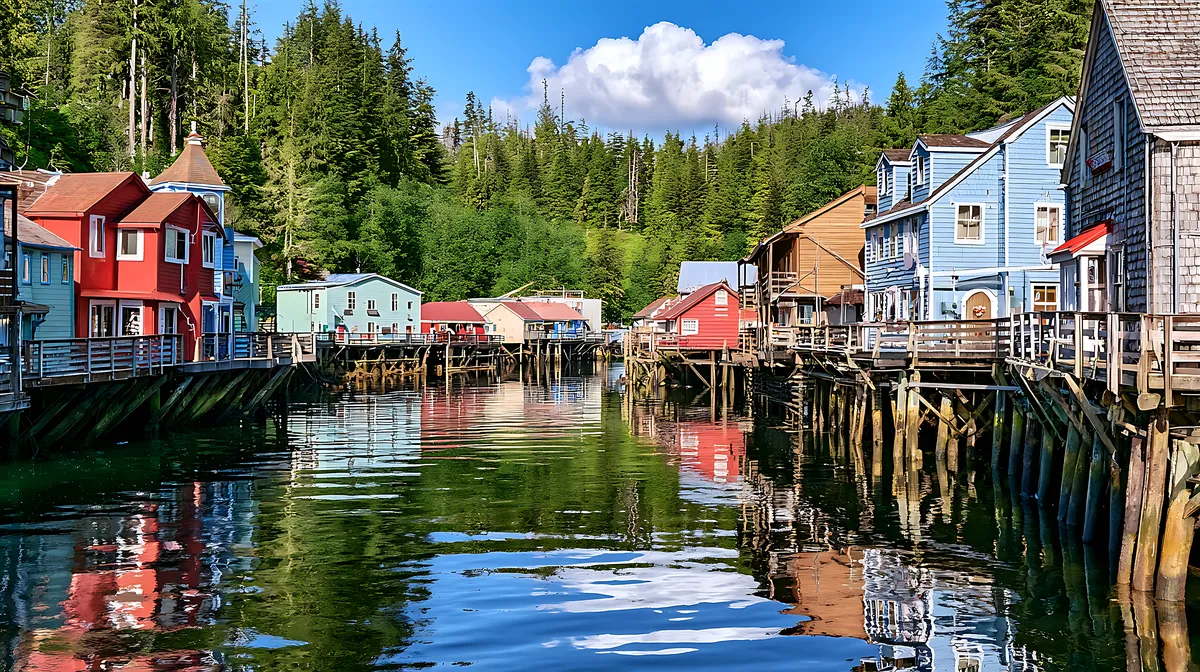
Ketchikan
Ketchikan, located on Revillagigedo Island in southeastern Alaska, is known as the 'Salmon Capital of the World' and the 'Rain Capital of Alaska.' It offers a rich Tlingit heritage and the world's largest collection of standing totem poles, making it a unique cultural and natural destination.
Mazatlán
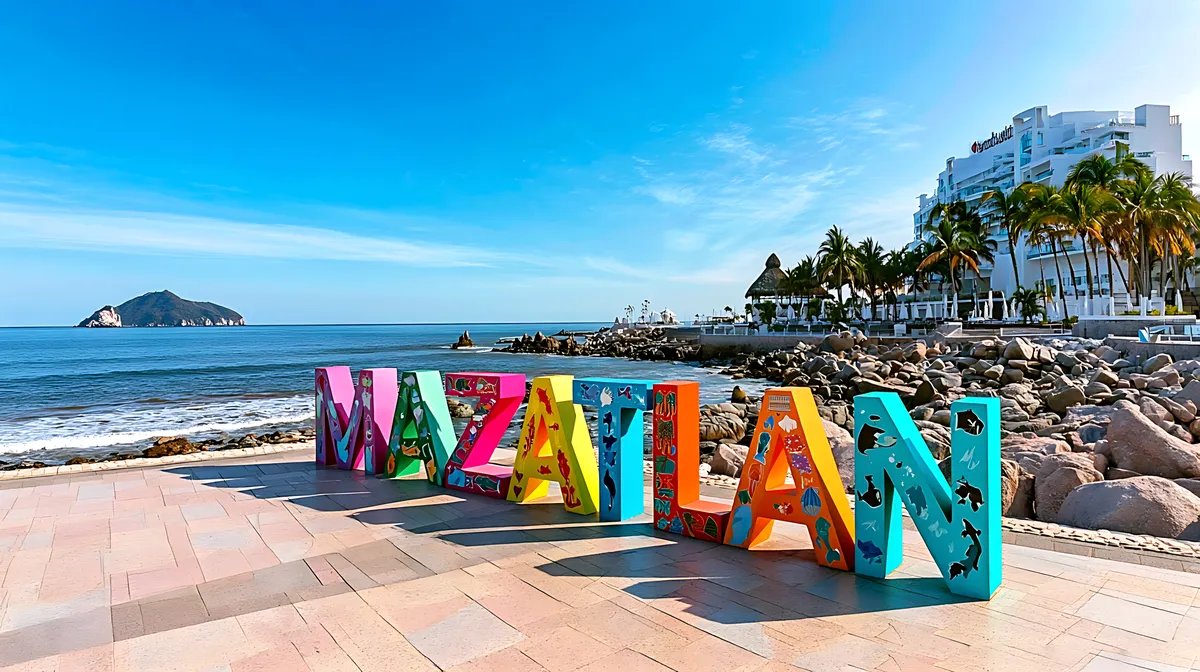
Mazatlán, known as the 'Pearl of the Pacific,' boasts a stunning coastline and a well-preserved historic center filled with colorful buildings and cultural landmarks. The city offers a vibrant mix of colonial history, fresh seafood, and natural attractions like Playa Olas Altas, perfect for surfing and sunbathing. Its famous Malecón seafront promenade and seasonal whale watching make it a unique destination for both relaxation and adventure.
Puerto Vallarta
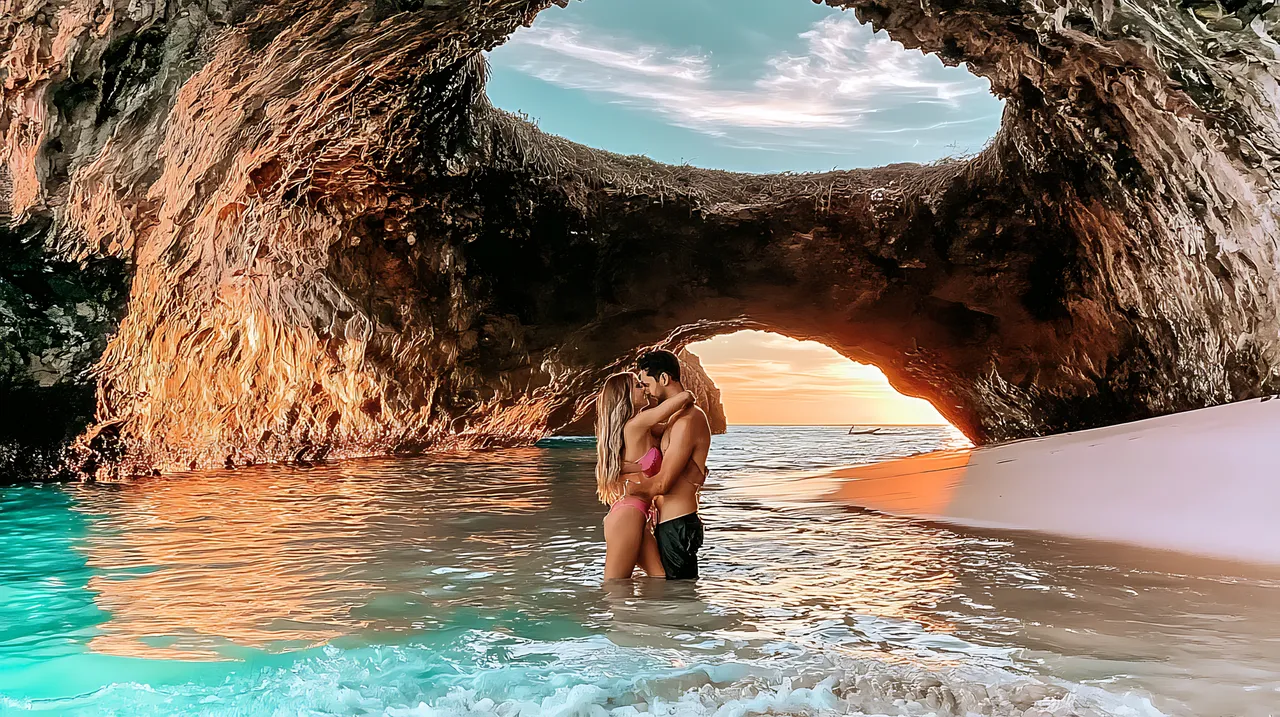
Puerto Vallarta is a vibrant Mexican city where chaotic energy meets genuine community, offering a unique blend of natural beauty and cultural richness. Known for its lively nightlife, stunning beaches, and world-class culinary scene, it attracts travelers seeking both adventure and authenticity. With its mild climate and picturesque setting, it's a perfect destination for those looking to experience the best of Mexico.
Loreto
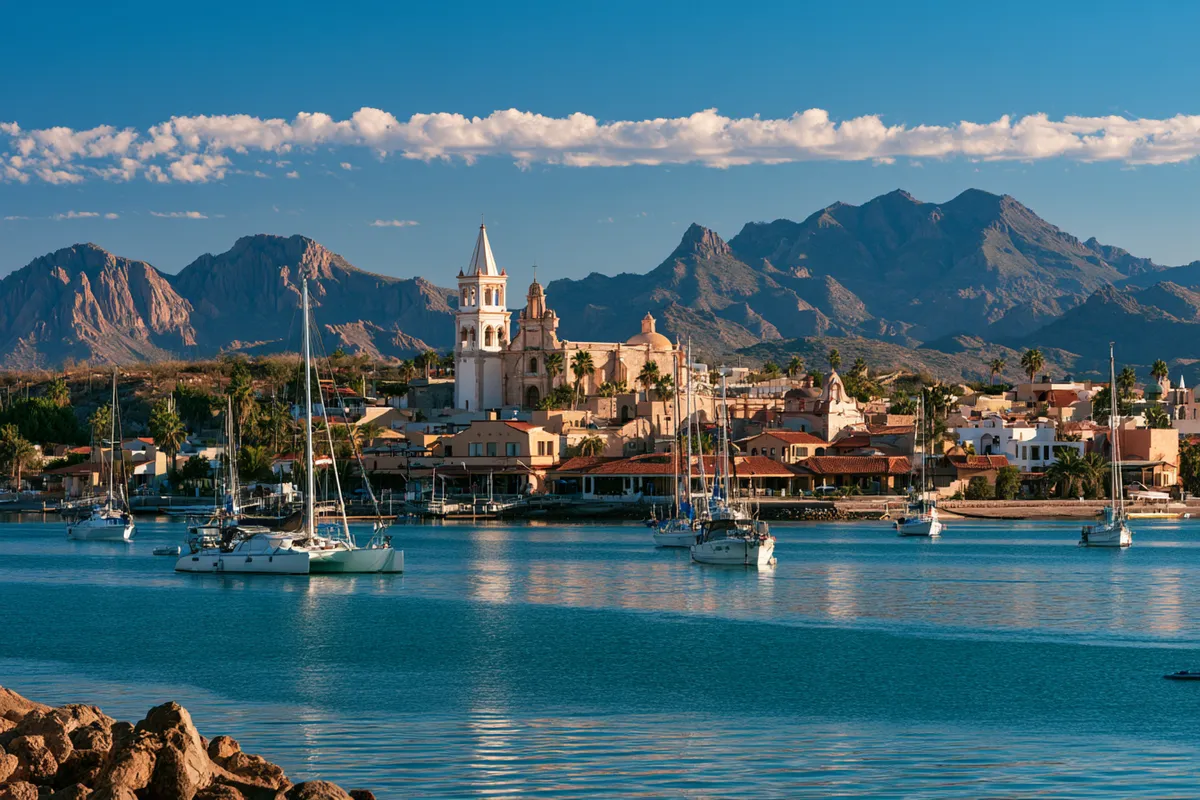
Loreto is a charming seaside town on the Baja California Peninsula, known for its clear waters, dolphin sightings, and beach clambakes. It blends natural beauty with rich history, including the first Jesuit mission in Mexico and designation as a Pueblo Mágico. The Sea of Cortez offers incredible opportunities for water sports and wildlife encounters, making it a unique destination for adventure and relaxation.
La Paz
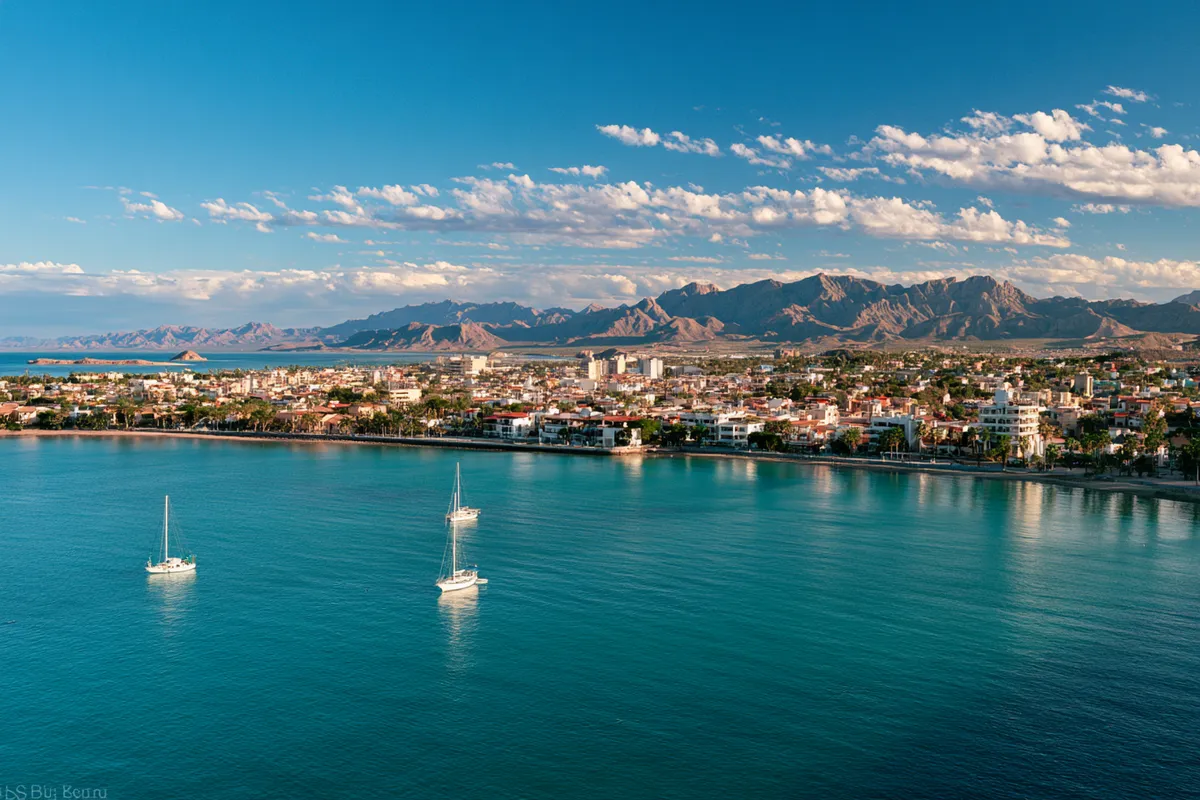
La Paz is a serene coastal city known for its stunning beaches, crystal-clear waters, and vibrant marine life. It offers unique experiences like swimming with whale sharks and sea lions, making it a paradise for nature lovers. With a relaxed atmosphere and rich cultural heritage, La Paz blends adventure with tranquility in the heart of Baja California.
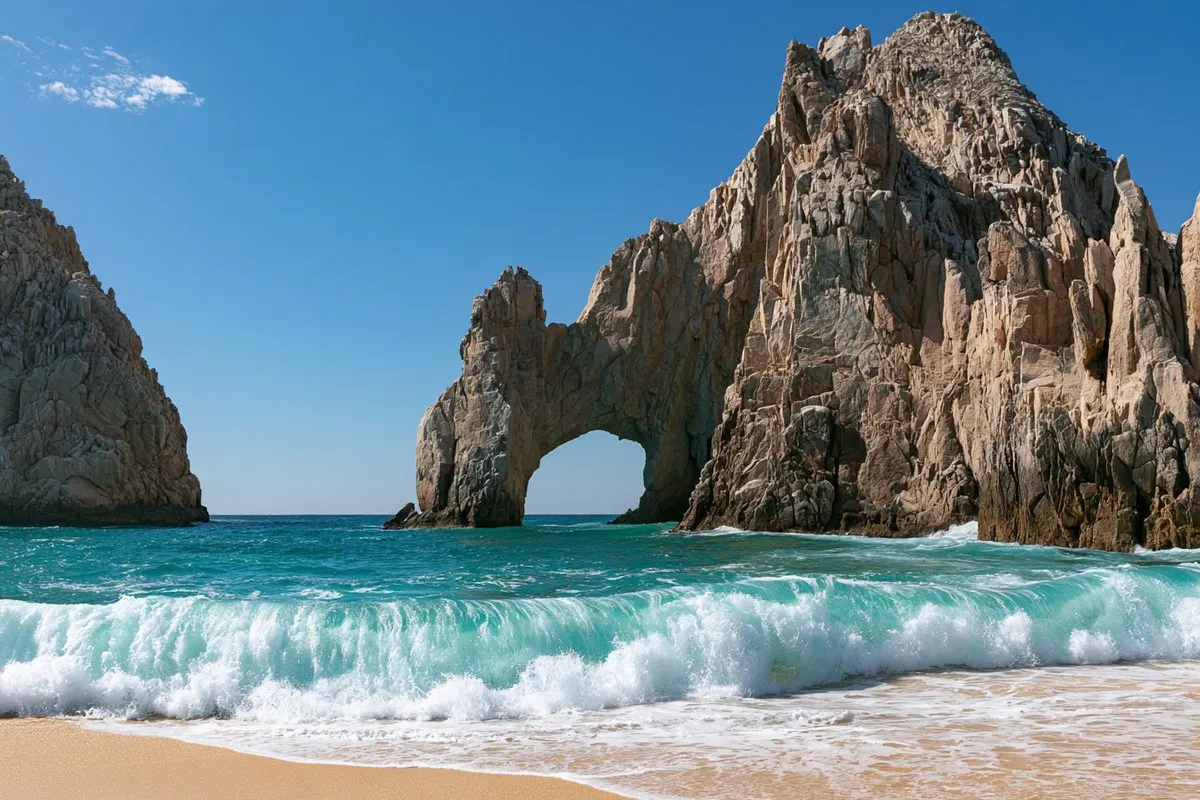
Cabo San Lucas
Cabo San Lucas is a vibrant destination known for its breathtaking natural beauty and thrilling adventures. It offers unique experiences like snorkeling with whale sharks and hiking with rescue dogs, alongside rich cultural traditions. The area is also famous for its delicious Baja-style fish tacos and other traditional Mexican dishes.
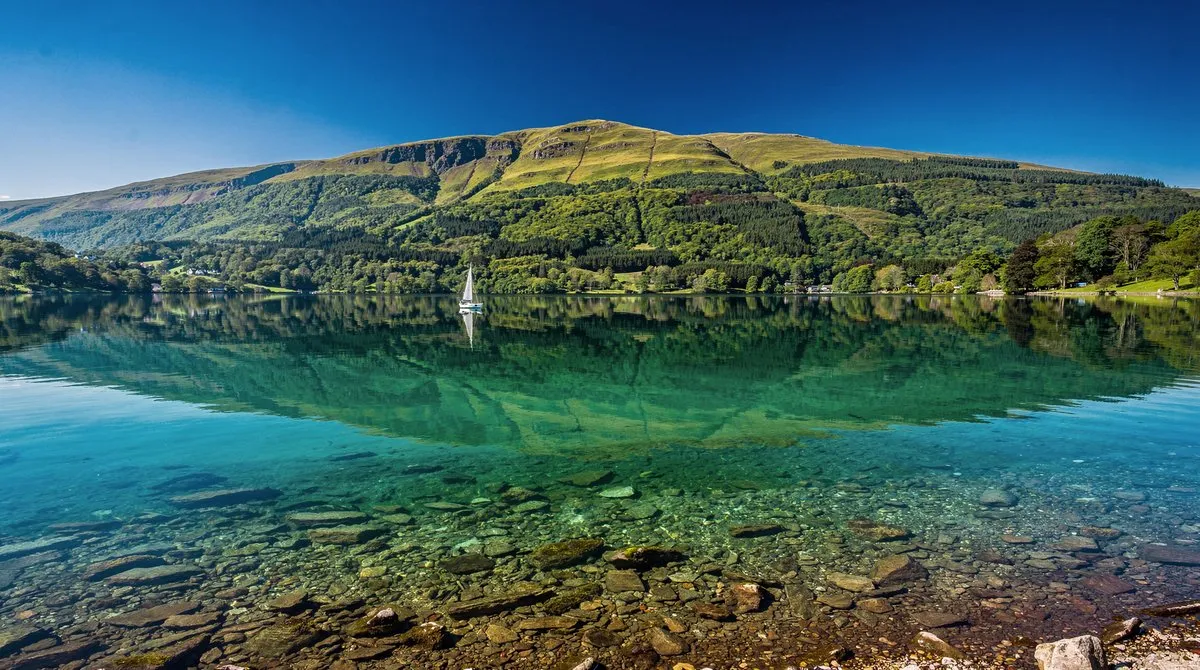
Lake District
The Lake District is a stunning UNESCO World Heritage Site known for its dramatic landscapes, including lakes, mountains, and forests. It has inspired poets and writers for centuries, offering a rich literary heritage and a magical blend of natural beauty. A favorite destination for outdoor activities, it remains one of England's most visited national parks.
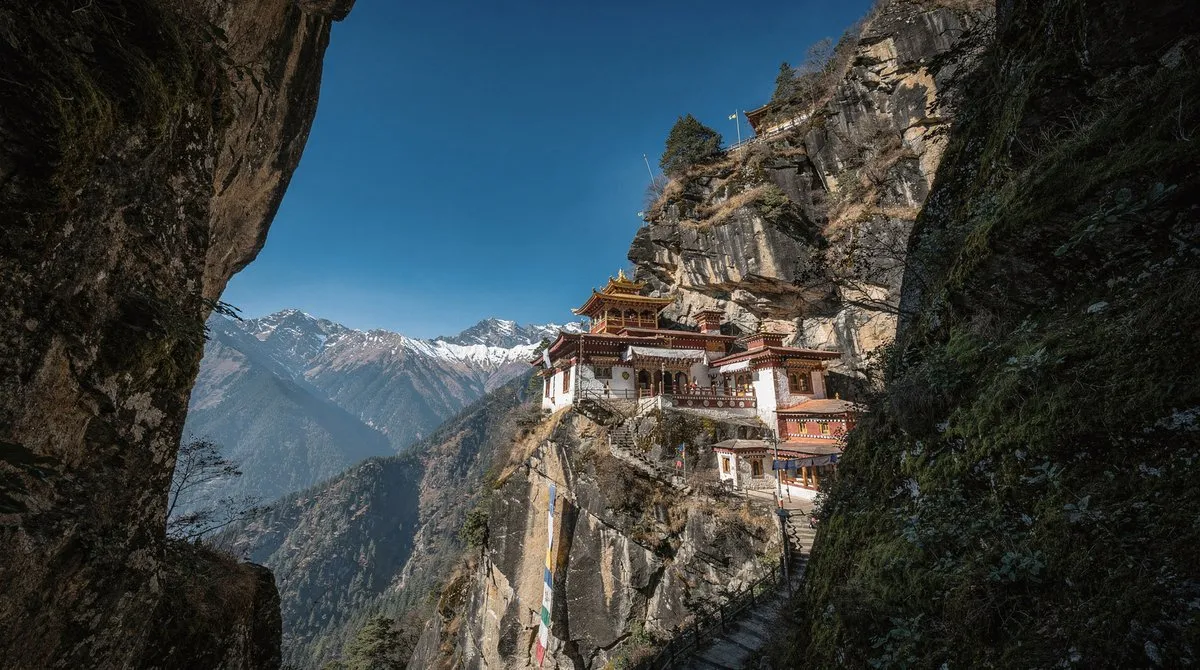
Tiger's Nest Monastery
Perched on a cliffside at 3,120 meters, Tiger's Nest Monastery is one of Bhutan's most sacred and breathtaking sites. It was built around the caves where Guru Padmasambhava meditated in the 8th century, making it a major Buddhist pilgrimage destination. The challenging hike to the monastery offers stunning views and a deeply spiritual experience.
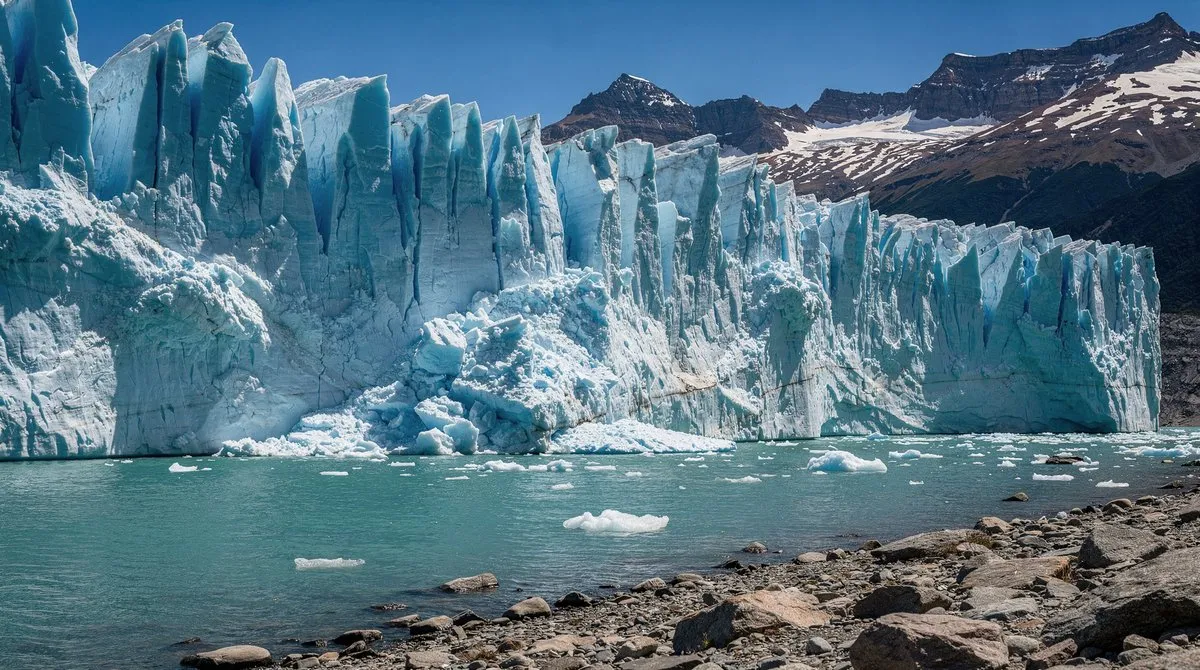
Patagonia
Patagonia is a vast and remote region known for its dramatic landscapes, towering peaks, and massive glaciers. It offers some of the most untouched and breathtaking natural beauty on Earth, with iconic hiking trails and unique wildlife. The area's rugged terrain and stunning vistas make it a dream destination for adventure seekers and nature lovers.
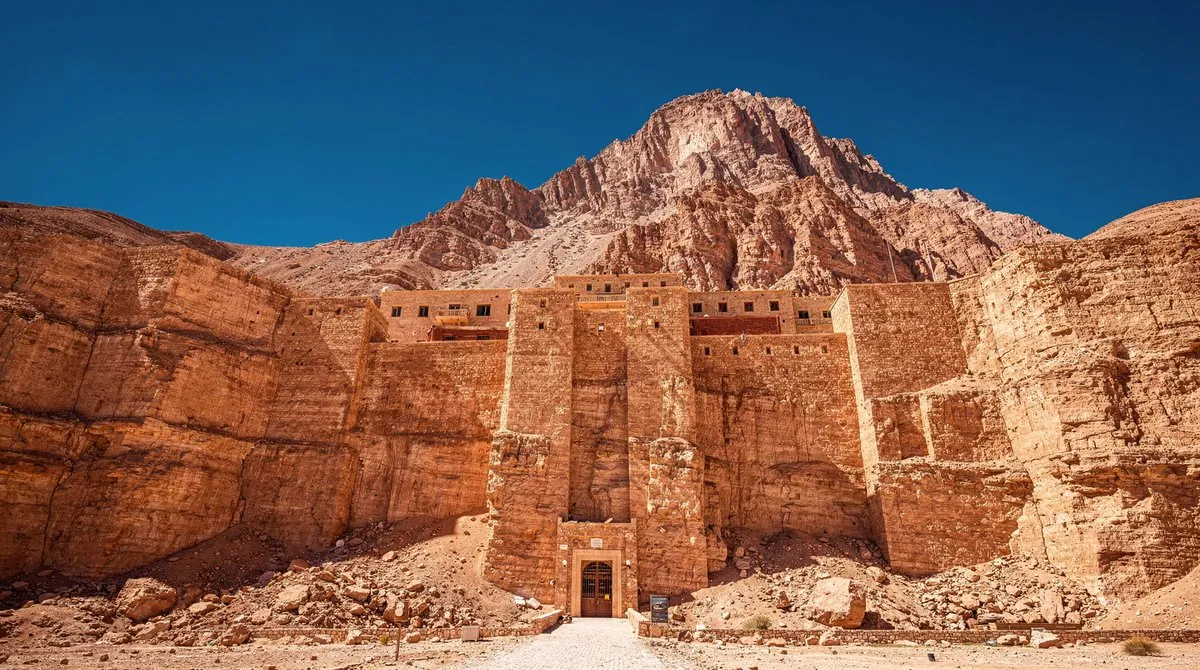
Monastery of Saint Catherine
Nestled on the slopes of Mount Sinai, the Monastery of Saint Catherine is a sacred site where Moses is believed to have received the Ten Commandments. It is one of the oldest continuously operating monasteries in the world, housing a vast library of ancient manuscripts and the Church of the Burning Bush. A UNESCO World Heritage Site, it stands as a unique spiritual convergence of Christianity, Islam, and Judaism in a breathtaking desert landscape.
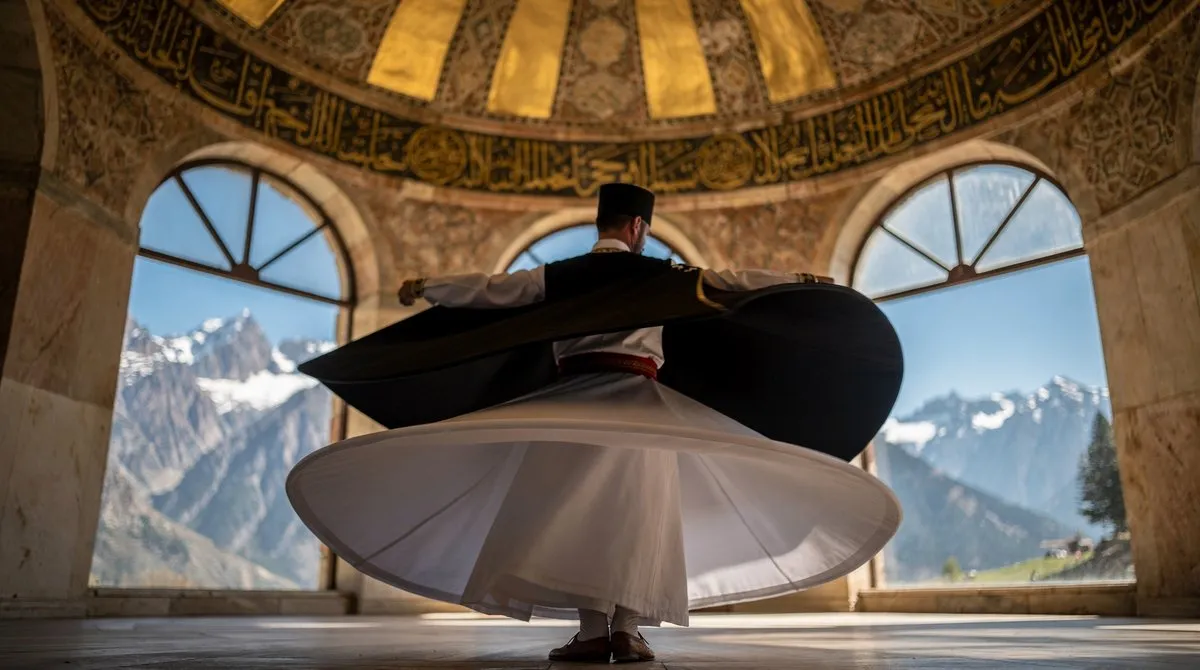
Konya
Konya is a city steeped in history and spirituality, known as the heart of Sufi tradition and the final resting place of the revered poet Rumi. It offers a unique glimpse into the mystical practices of the Mevlevi Order through the mesmerizing ritual of the whirling dervishes. The city blends ancient heritage with deep cultural significance, making it a sanctuary for those seeking spiritual enlightenment.
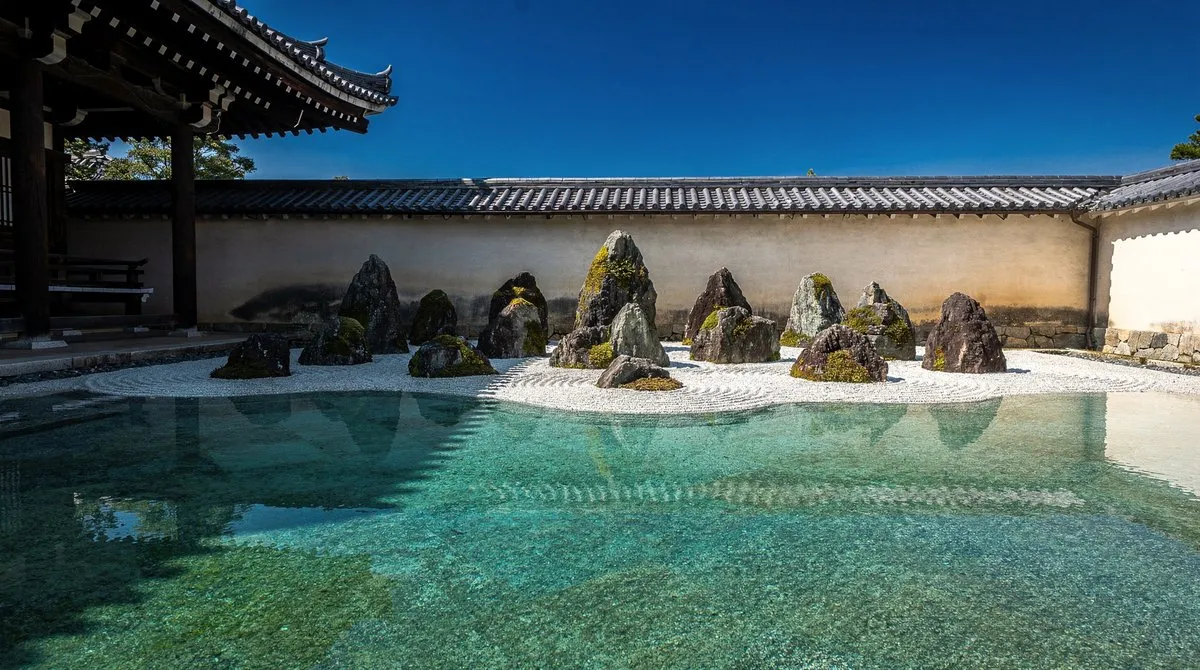
Ryōan-ji Temple
Ryōan-ji Temple is a serene Zen temple in Kyoto, renowned for its enigmatic dry landscape garden. The garden features 15 stones arranged in a sea of raked gravel, designed to inspire meditation and reflection. A UNESCO World Heritage Site, it embodies the principles of Zen Buddhism through its minimalist beauty and profound spiritual significance.
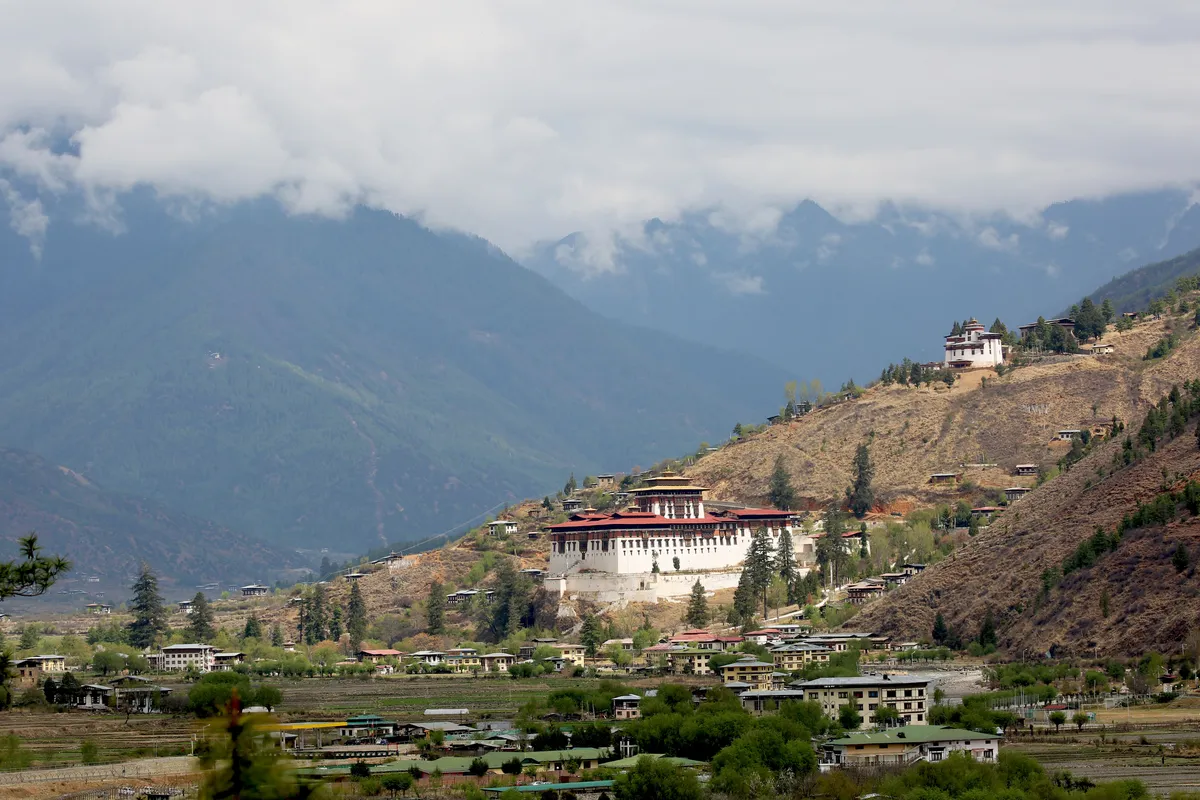
Paro Valley
Paro Valley is a serene and spiritually significant region in Bhutan, known for its breathtaking landscapes and ancient monasteries. It serves as the gateway to the country and is home to iconic sites like the Tiger's Nest Monastery and Paro Dzong. The valley offers a unique blend of natural beauty, cultural heritage, and Buddhist traditions that create an unforgettable experience.