

When the Brachiosaurus First Breathed: Finding Jurassic Park at Kualoa Ranch
Things To Do
 Book experiences
Tours & Activities in When the Brachiosaurus First Breathed: Finding Jurassic Park
Browse top-rated tours on Viator
Book experience →Book activitiesTours & Activities in When the Brachiosaurus First Breathed: Finding Jurassic Park
Browse top-rated tours on Klook
Book experience →Book a tourTours & Activities in When the Brachiosaurus First Breathed: Finding Jurassic Park
Browse top-rated tours on GetYourGuide
Book experience →Explore
The Moment the World Fell Away
The valley opened before me like a wound in the earth, green and impossibly deep. I was standing at the edge of Kaʻaʻawa Valley, the wind off the Pacific pushing against my face, and for one dizzying second, I forgot I was in Hawaii. I forgot I was a grown man with a rental car and a sunburn forming on my shoulders. I was seven years old again, sitting cross-legged on a carpet in 1993, watching a Brachiosaurus lift its head above a treeline for the first time.
The air smelled like wet earth and salt. The Koʻolau Mountains rose behind me, their ridges sharp as dinosaur teeth against a sky the color of a bruise. Somewhere in the distance, a bird called out—a sound so prehistoric it could have been a pterodactyl. I closed my eyes and let the memory wash over me: John Williams' score swelling, Sam Neill's face slack with wonder, and that moment when cinema changed forever.
I opened my eyes. The valley was still there. The mountains were still there. And I was standing in the exact place where the impossible had become real.
The Hollywood Backlot of the Gods
Here's the thing about Kualoa Ranch that no brochure can fully capture: it's not just a filming location. It's a time machine disguised as a working cattle ranch.
Since 1850, when Dr. Gerrit P. Judd purchased 622 acres from King Kamehameha III for 300 dollars, this 4,000-acre stretch of windward Oahu has been many things—a sacred Hawaiian burial ground, a paniolo (cowboy) ranch, a taro farm, and, for the last three decades, the unofficial backlot of Hollywood's wildest dreams. Over 200 films and TV shows have been shot here, from Jurassic Park to Kong: Skull Island, Jumanji to 50 First Dates, Lost to Hawaii Five-0. It's called the "Hollywood Hawaii Backlot" for a reason, but that name undersells the magic.
The valley itself is sacred in Hawaiian tradition. According to legend, it's where Papa and Wākea buried their first stillborn child, Hāloa, and where the first kalo (taro) plant grew—the plant from which the Hawaiian people were born. The entire ahupuaʻa (traditional land division) was added to the National Register of Historic Places in 1974. So when Steven Spielberg's scouts first saw this place in the early '90s, they weren't just finding a pretty location. They were finding a landscape that already felt mythic.
And when they shot the Brachiosaurus reveal here—that sweeping, tear-inducing moment where Dr. Grant looks up and sees a creature he's only known in fossils—they tapped into something older than cinema. They found a place where the boundary between the real and the imagined dissolves like morning mist.
Walking Through the Screen
I booked the Jurassic Adventure Tour ($49.95 for adults, $44.95 for children—2.5 hours of pure, uncut nostalgia). The guide, a sun-bleached local named Keoni who'd been working the ranch for fifteen years, picked us up in an old school bus painted in jungle camouflage. There were twelve of us: couples, families, a few solo travelers like me, all of us buzzing with the same unspoken question: Is it really going to look like the movie?
The bus rattled down a gravel road into Kaʻaʻawa Valley, and the answer came almost immediately. The valley walls closed in around us, draped in ferns and banyan trees, the light filtering through the canopy in shafts that seemed designed by a cinematographer. Keoni pointed out the exact spot where the Jurassic Park gate once stood—a temporary structure, long since dismantled, but you could still feel its ghost in the air.
"Right here," Keoni said, "is where Dr. Grant and Ellie first saw the Brachiosaurus. The treeline you're looking at? That's the same treeline. The mountains behind it? Same mountains. The only thing missing is the dinosaur."
We laughed, but it was a nervous laugh. Because standing there, with the wind rustling the palms and the distant sound of a waterfall, it didn't feel like anything was missing. It felt like the dinosaur was just around the corner, waiting for the right moment to appear.
The tour took us deeper into the valley, past locations from Jurassic World (the bunker where Claire and Owen hid from the Indominus Rex), Kong: Skull Island (the boneyard where Kong fought the skullcrawlers), and Jumanji: Welcome to the Jungle (the dance-fight scene where the Rock and Kevin Hart go head-to-head). Each stop felt like stepping into a different movie, a different world, a different version of reality.
But the real magic—the thing that made my chest tighten—was the quiet moments between stops. The way the valley would fall silent, and you'd hear nothing but birds and wind and the distant crash of waves. The way the light would shift, turning the mountains from green to gold to purple. The way you could stand in the middle of a field and feel like you were the first person to ever see this place, even though thousands had stood here before you.
I took the Zipline Adventure ($84.95 for three hours, seven tandem sections, two suspension bridges) and flew over the valley at 200 feet, the wind screaming in my ears, the ocean glittering on the horizon. For a few seconds, I wasn't a tourist. I was a pterosaur, banking over a world that had never known concrete or Wi-Fi.
Later, I wandered down to the 800-year-old Moliʻi fishpond, a marvel of ancient Hawaiian aquaculture that still operates today. A local fisherman was casting a net, his movements slow and deliberate, like a prayer made physical. I sat on the shore and watched the sun sink behind the mountains, painting the water in shades of orange and pink.
The Practical Magic
If you're planning your own pilgrimage to Jurassic Valley, here's what you need to know.
Getting there: Kualoa Ranch is about 24 miles from Waikiki, a 45-minute drive north on the Kamehameha Highway (H-83). The drive itself is stunning—the H2 freeway cuts through the Koʻolau Mountains, and when the windward side opens up, you'll see emerald valleys, jagged peaks, and turquoise water all at once. The ranch's address is 49-560 Kamehameha Highway, Kaneohe, Hawaii 96744.
Best time to go: Weekday mornings, hands down. The crowds are thinner, the light is softer, and the valley feels more like a sanctuary than a tourist attraction. Book your tours in advance—especially the UTV Raptor Tours ($49.95 and up), which sell out weeks ahead.
Which tour to choose: If you're a die-hard Jurassic Park fan, spring for the Jurassic Adventure Tour (2.5 hours, $49.95). It covers the most ground and hits the most iconic locations. If you're short on time, the Movie Sites and Ranch Tour (1.5 hours, $39.95) is a solid introduction. For the full experience, the Full Day Package ($64.95) includes three tours plus a buffet lunch at the Ranch House, where they serve beef and produce grown right on the property.
What to bring: Sunscreen (the Hawaiian sun is no joke), water, a hat, and a camera. But also bring something less tangible: your sense of wonder. This is a place that rewards the willing suspension of disbelief.
Pro tip: The Secret Island Beach Activities ($44.95) are worth the extra cost—kayaks, paddleboards, and a catamaran tour of Kaneohe Bay. It's a peaceful counterpoint to the movie-set frenzy, and the view of Mokoliʻi Island (nicknamed "Chinaman's Hat") is postcard-perfect.
The Quiet After the Credits
I stayed until the last tour bus left, until the valley was empty and the only sound was the wind moving through the grass. I walked to the edge of the field where the Brachiosaurus first appeared, and I stood there for a long time, not thinking about anything in particular.
The mountains were still. The sky was turning from blue to violet. And for a moment—just a moment—I let myself believe that somewhere out there, beyond the treeline, a dinosaur was breathing.
That's the gift of Kualoa Ranch. It doesn't just show you where movies were made. It reminds you that magic is possible, that wonder is still accessible, that the child who sat cross-legged on the carpet in 1993 is still alive inside you, waiting for the chance to look up and see something impossible.
So go. Stand in the valley. Let the wind hit your face. And when you hear John Williams' score playing in your head, don't fight it. Let it swell. Let it carry you back to a time when the world was full of dinosaurs, and anything could happen.
Because at Kualoa Ranch, it still can.
📸Photo & Video Gallery
Plan Your Visit
Places to Stay
Tours & Activities
Affiliate links
✨You might also like
✨Explore more
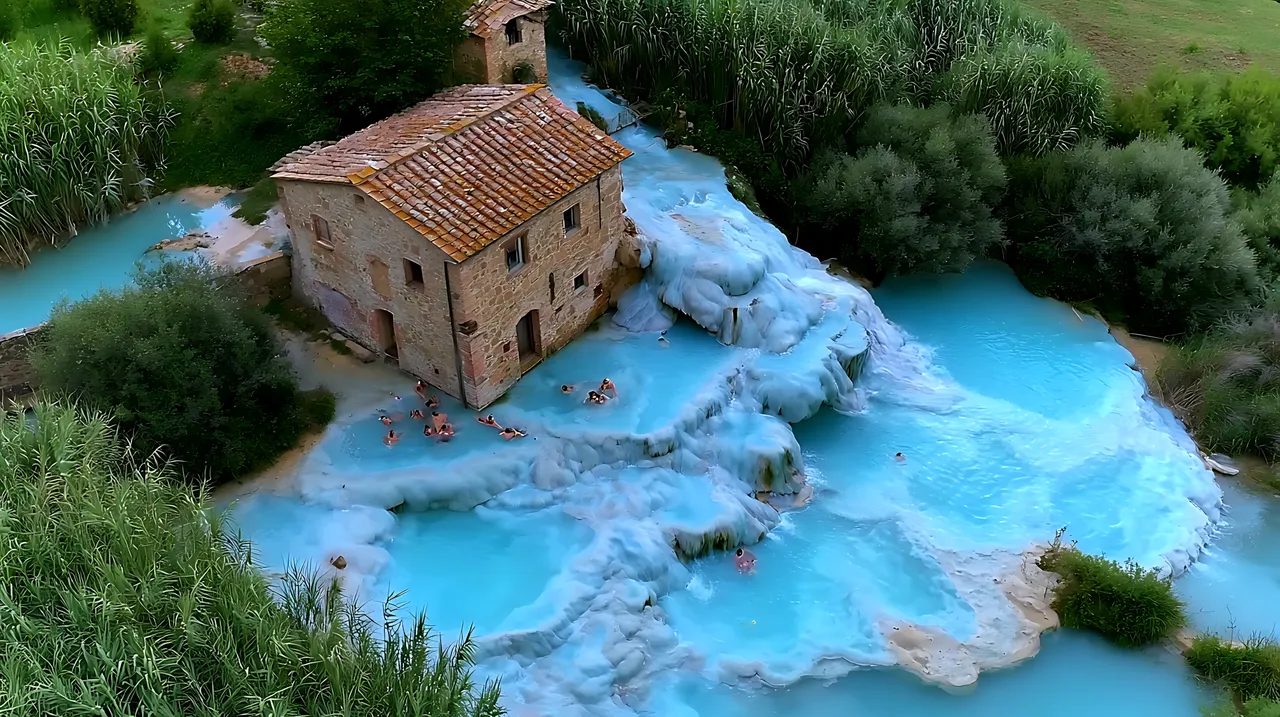
Cascade Del Mulino
Nestled in the heart of Tuscany, the Cascate del Mulino is a natural wonder where thermal waters cascade into serene pools. The constant 37.5°C (98.6°F) temperature and mineral-rich waters offer a therapeutic experience, surrounded by the breathtaking Maremma countryside. This free, open-air spa has been a source of relaxation since ancient times, with legends attributing its creation to the gods. Whether you visit in the early morning or at sunset, the cascades provide a tranquil escape from th
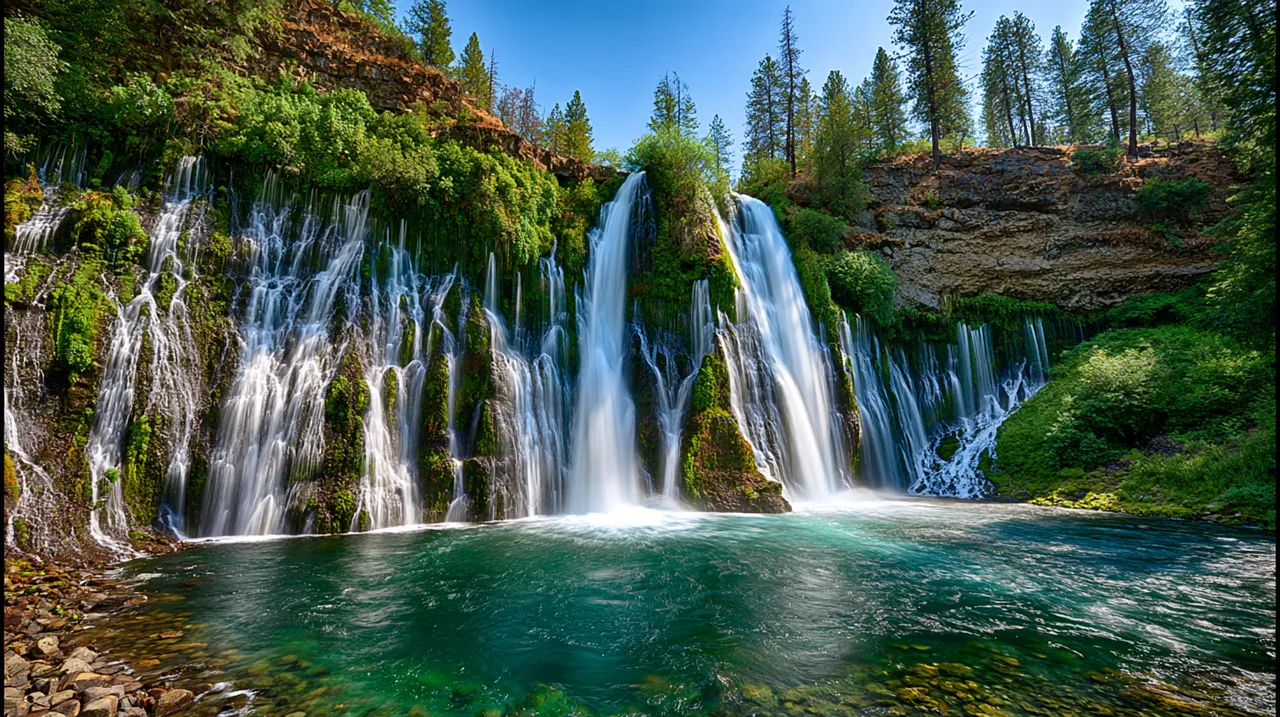
McArthur-Burney Falls
Nestled in the Cascade Range and Modoc Plateau, McArthur–Burney Falls Memorial State Park is a natural wonder that captivates visitors with its stunning 129-foot waterfall. The park, one of California's oldest, offers a serene and picturesque setting for hiking, fishing, and watersports. The falls, fed by underground springs, maintain a consistent flow year-round, creating a mesmerizing curtain of water that plunges into a mist-filled basin. The surrounding evergreen forests and volcanic landsca
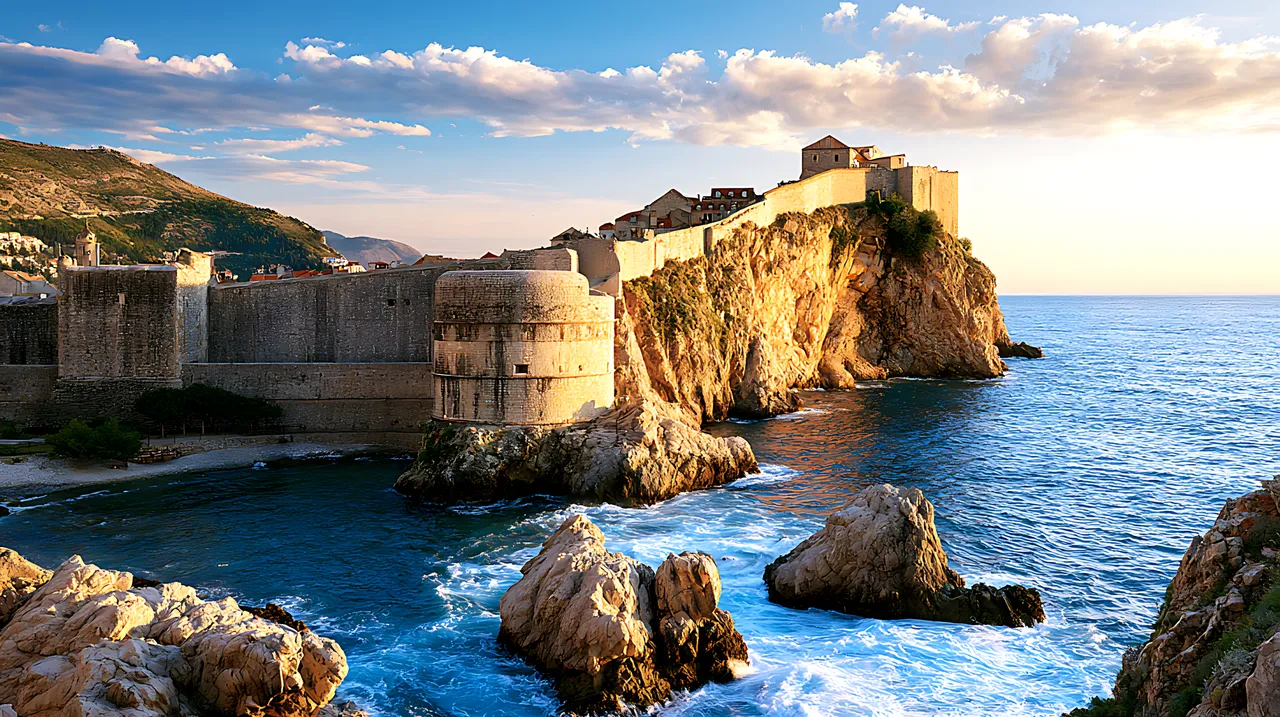
Fort Lovrijenac, Croatia
Perched on a 37-meter-high rock, Fort Lovrijenac, also known as St. Lawrence Fortress, stands as a symbol of Dubrovnik's independence and power. Built in the early 11th century, it was designed to protect the city from Venetian invasion. Today, it is a well-preserved historical site that hosts cultural events and offers breathtaking views of the Adriatic Sea and Old Town Dubrovnik.
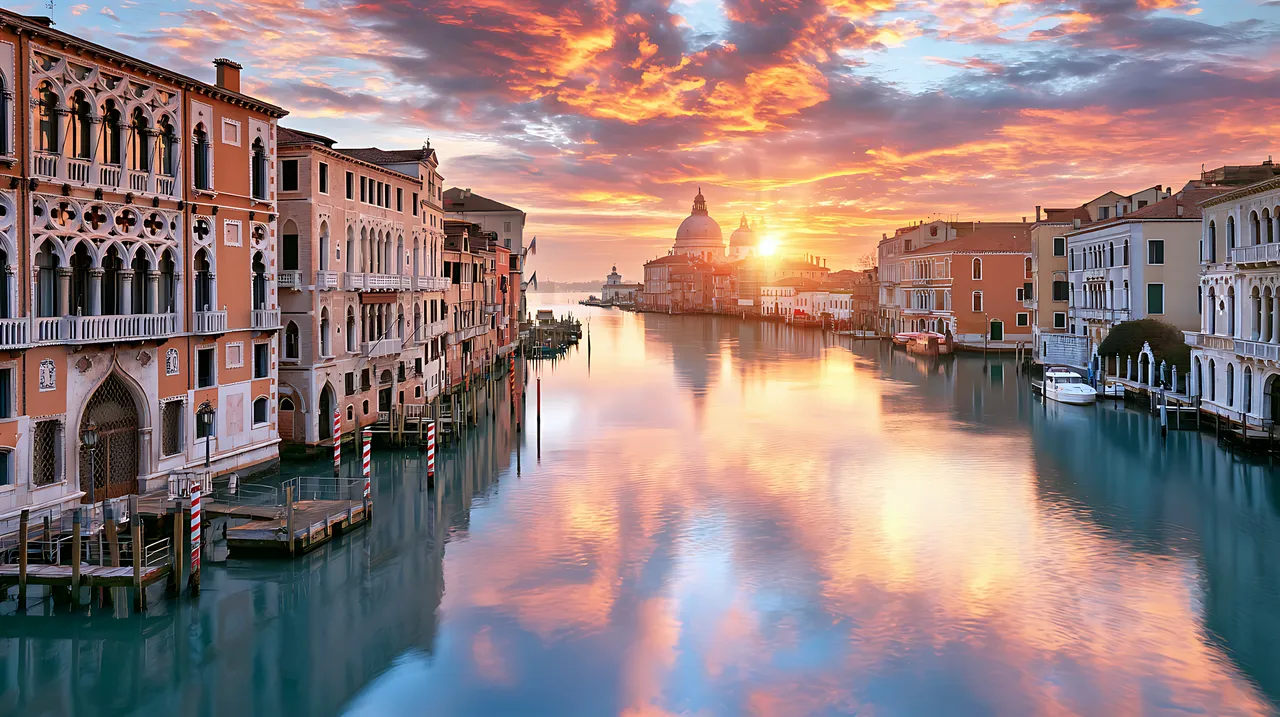
Venice
Venice is a stunning city built on a group of 118 small islands separated by canals and linked by bridges. Known as the 'City of Canals,' it is a masterpiece of Gothic architecture and a symbol of historical trade and culture. Its romantic ambiance and rich artistic heritage make it one of the most enchanting destinations in the world.

Verona
Verona is a 2000-year-old city steeped in history and romance, best known as the setting of Shakespeare's Romeo and Juliet. Its stunning Veronese pink stone buildings, ancient Roman ruins, and Renaissance gardens create a timeless atmosphere. The city also offers beautiful vineyards and wine-tasting opportunities in the surrounding Valpolicella and Soave regions.
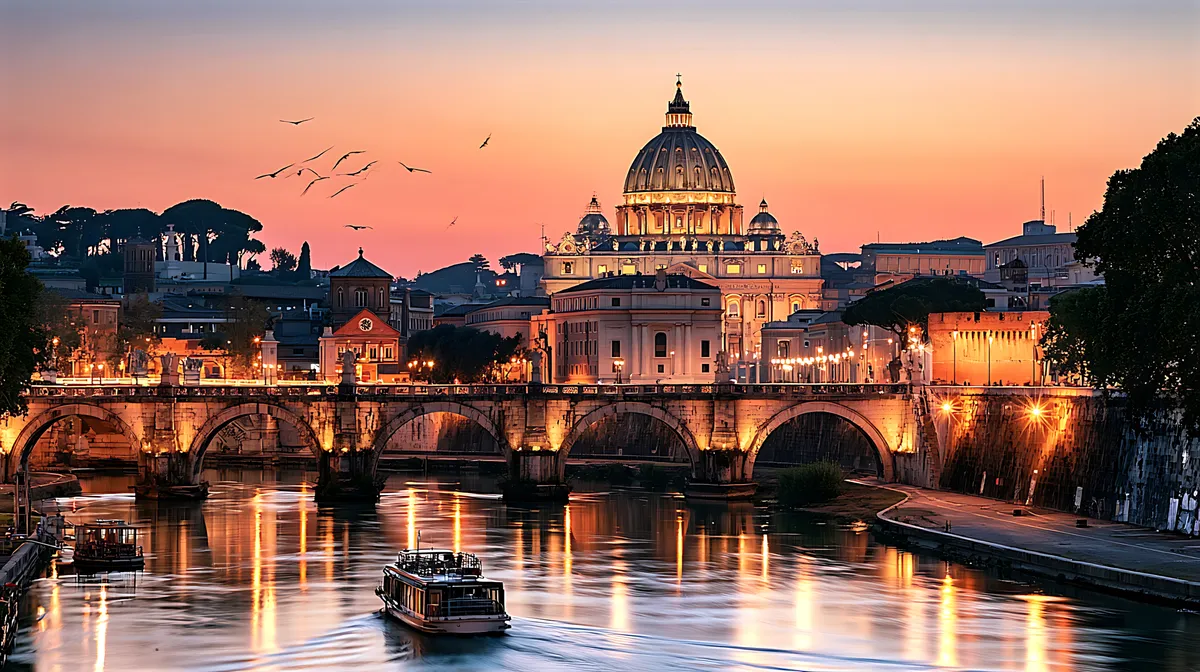
Rome
Rome, the 'Eternal City,' is a mesmerizing blend of ancient history and modern charm. Home to iconic landmarks like the Colosseum, Roman Forum, and Pantheon, it offers a glimpse into the grandeur of the Roman Empire. With its vibrant neighborhoods, world-class cuisine, and rich cultural heritage, Rome captivates travelers with its timeless allure.
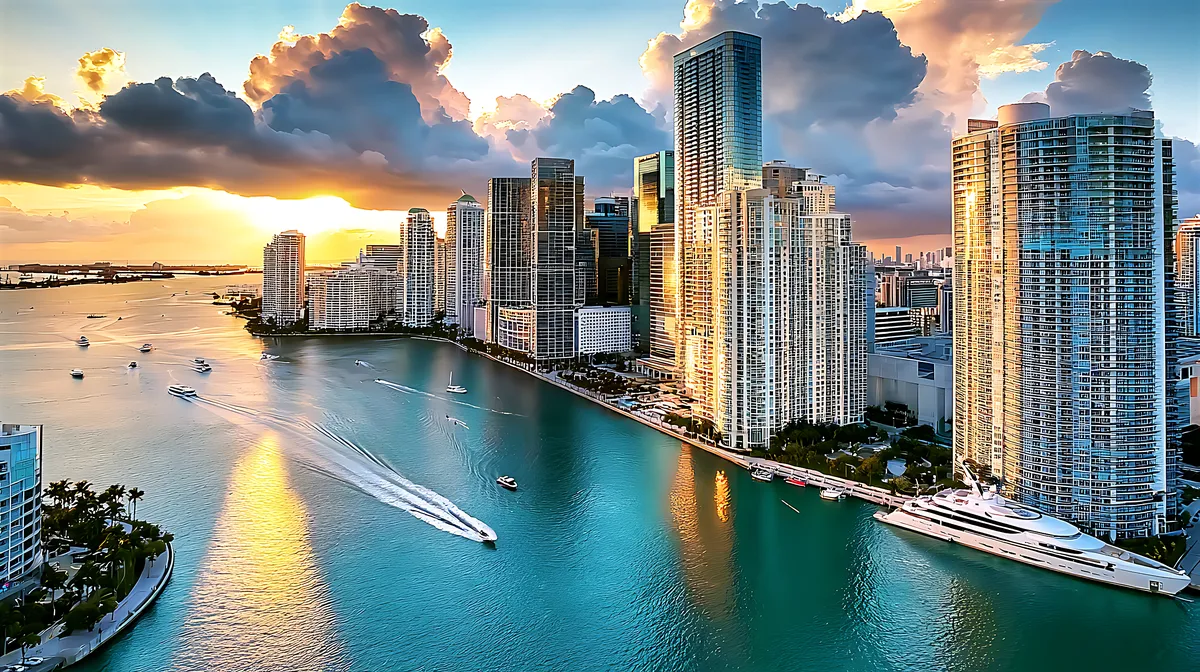
Miami
Miami is a vibrant city known for its stunning beaches, cultural diversity, and artistic energy. It blends urban excitement with natural beauty, offering everything from the colorful murals of Wynwood to the serene landscapes of the Everglades. With its rich Cuban heritage and world-class attractions, Miami is a destination that celebrates both culture and nature.
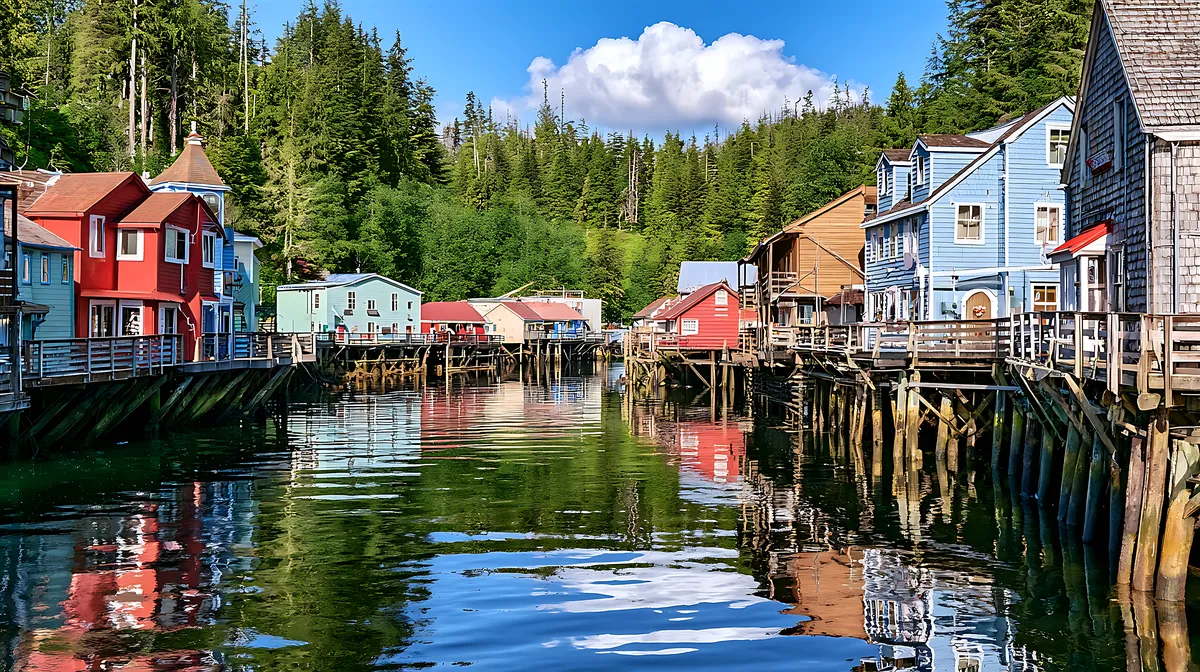
Ketchikan
Ketchikan, located on Revillagigedo Island in southeastern Alaska, is known as the 'Salmon Capital of the World' and the 'Rain Capital of Alaska.' It offers a rich Tlingit heritage and the world's largest collection of standing totem poles, making it a unique cultural and natural destination.
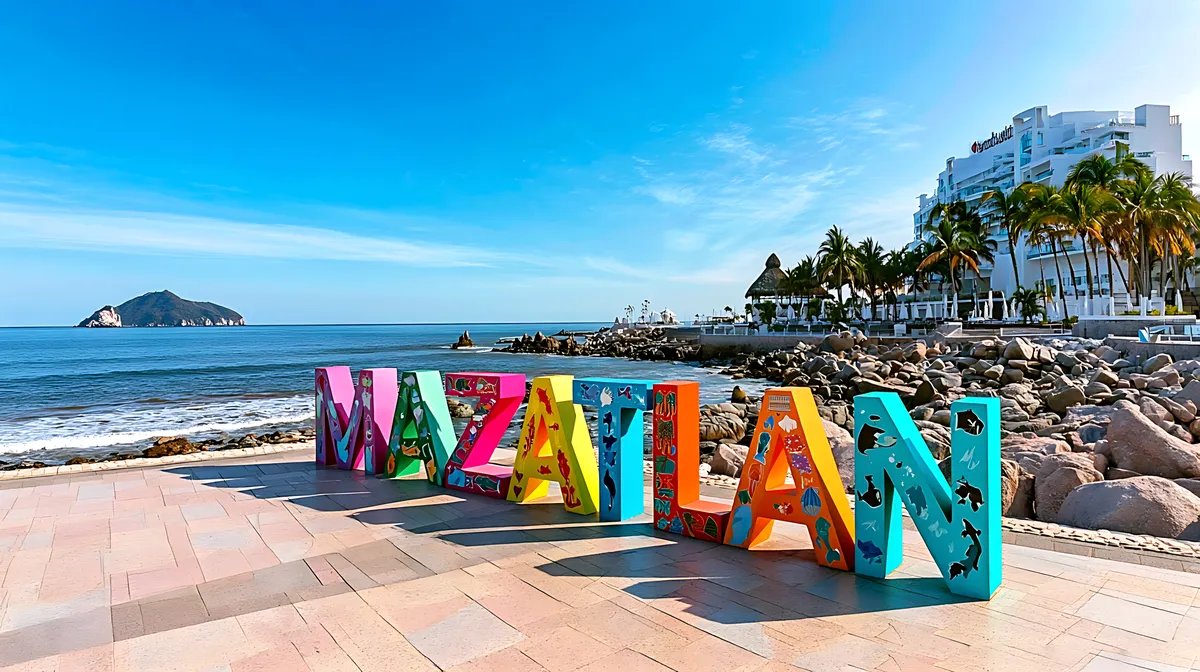
Mazatlán
Mazatlán, known as the 'Pearl of the Pacific,' boasts a stunning coastline and a well-preserved historic center filled with colorful buildings and cultural landmarks. The city offers a vibrant mix of colonial history, fresh seafood, and natural attractions like Playa Olas Altas, perfect for surfing and sunbathing. Its famous Malecón seafront promenade and seasonal whale watching make it a unique destination for both relaxation and adventure.
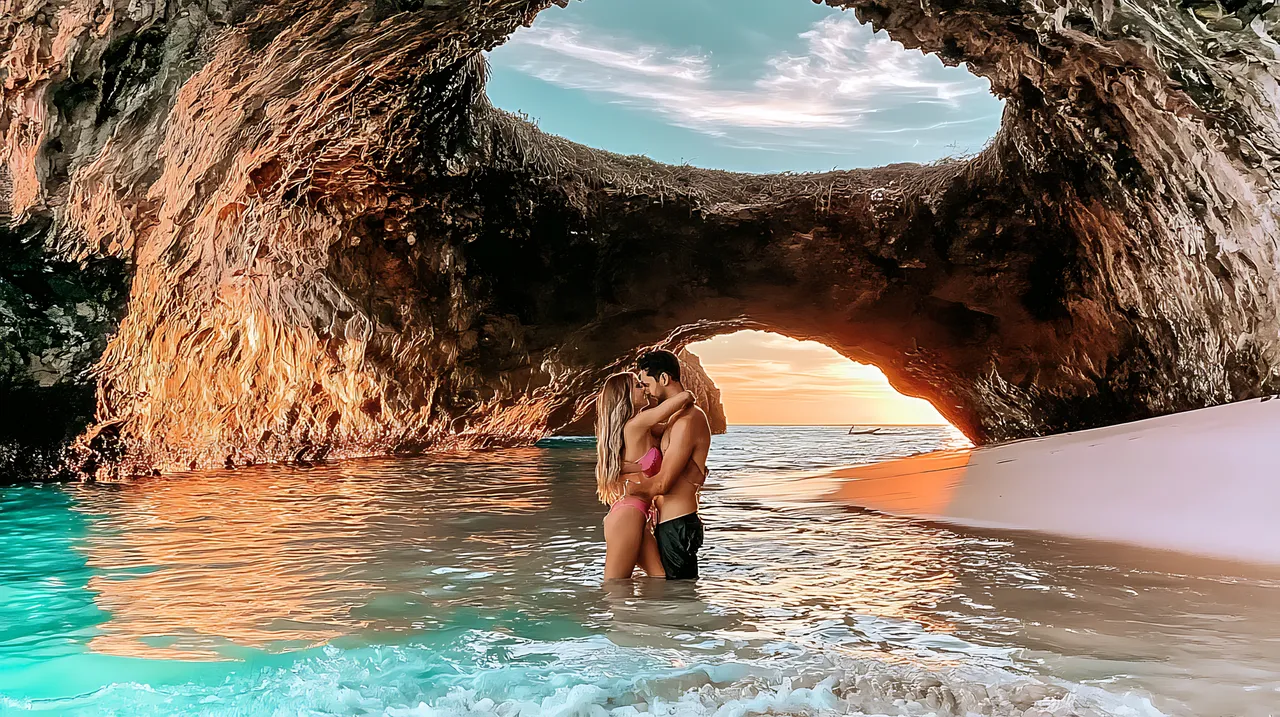
Puerto Vallarta
Puerto Vallarta is a vibrant Mexican city where chaotic energy meets genuine community, offering a unique blend of natural beauty and cultural richness. Known for its lively nightlife, stunning beaches, and world-class culinary scene, it attracts travelers seeking both adventure and authenticity. With its mild climate and picturesque setting, it's a perfect destination for those looking to experience the best of Mexico.
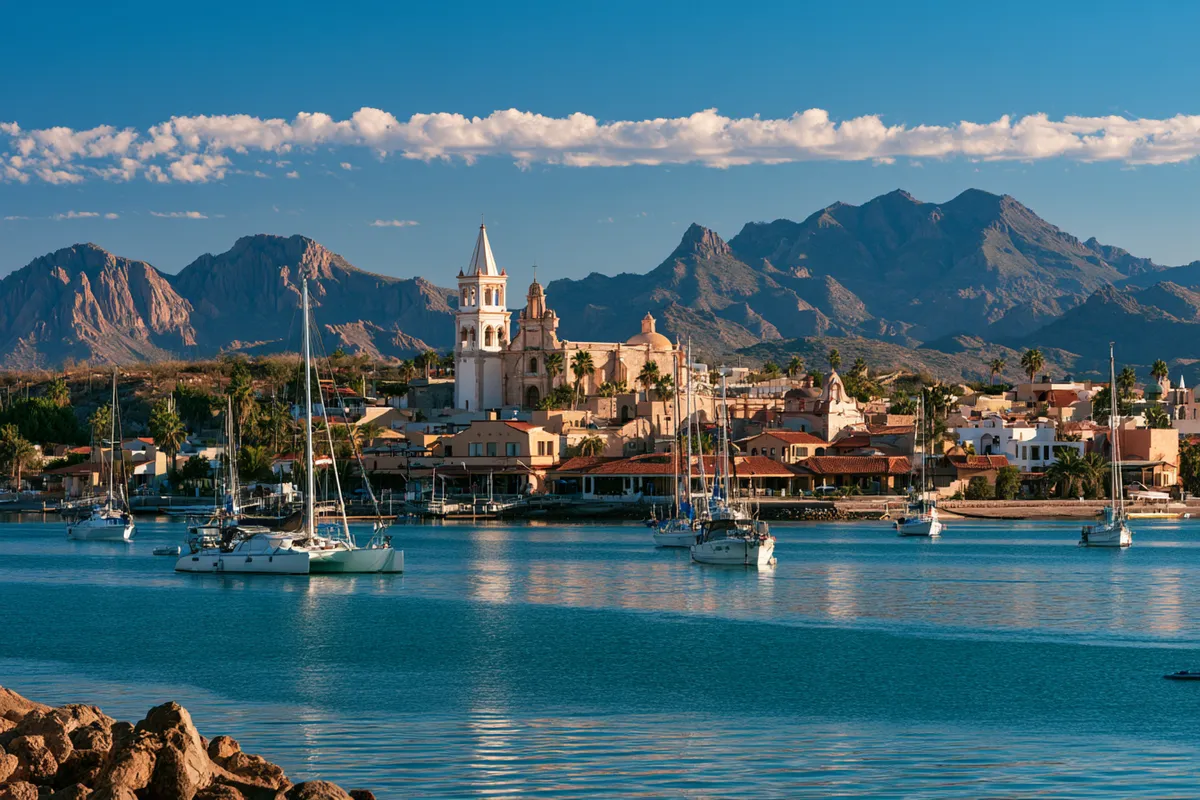
Loreto
Loreto is a charming seaside town on the Baja California Peninsula, known for its clear waters, dolphin sightings, and beach clambakes. It blends natural beauty with rich history, including the first Jesuit mission in Mexico and designation as a Pueblo Mágico. The Sea of Cortez offers incredible opportunities for water sports and wildlife encounters, making it a unique destination for adventure and relaxation.
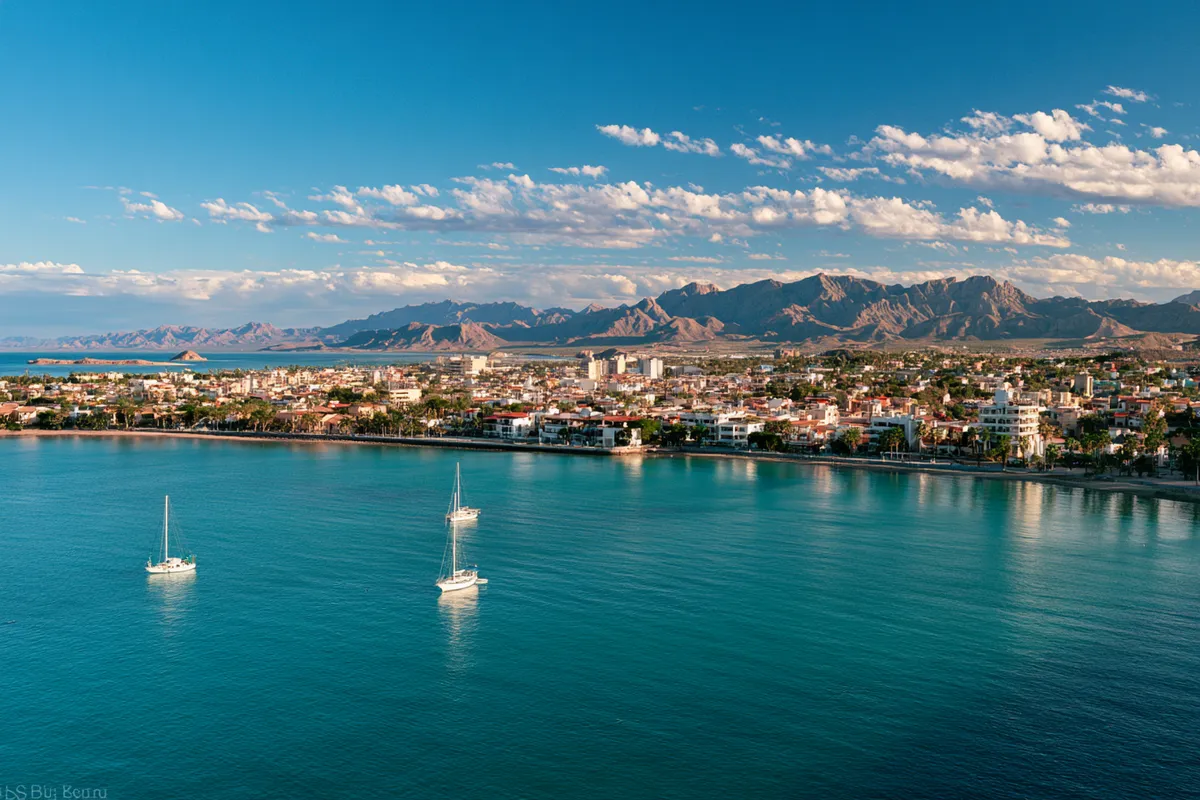
La Paz
La Paz is a serene coastal city known for its stunning beaches, crystal-clear waters, and vibrant marine life. It offers unique experiences like swimming with whale sharks and sea lions, making it a paradise for nature lovers. With a relaxed atmosphere and rich cultural heritage, La Paz blends adventure with tranquility in the heart of Baja California.
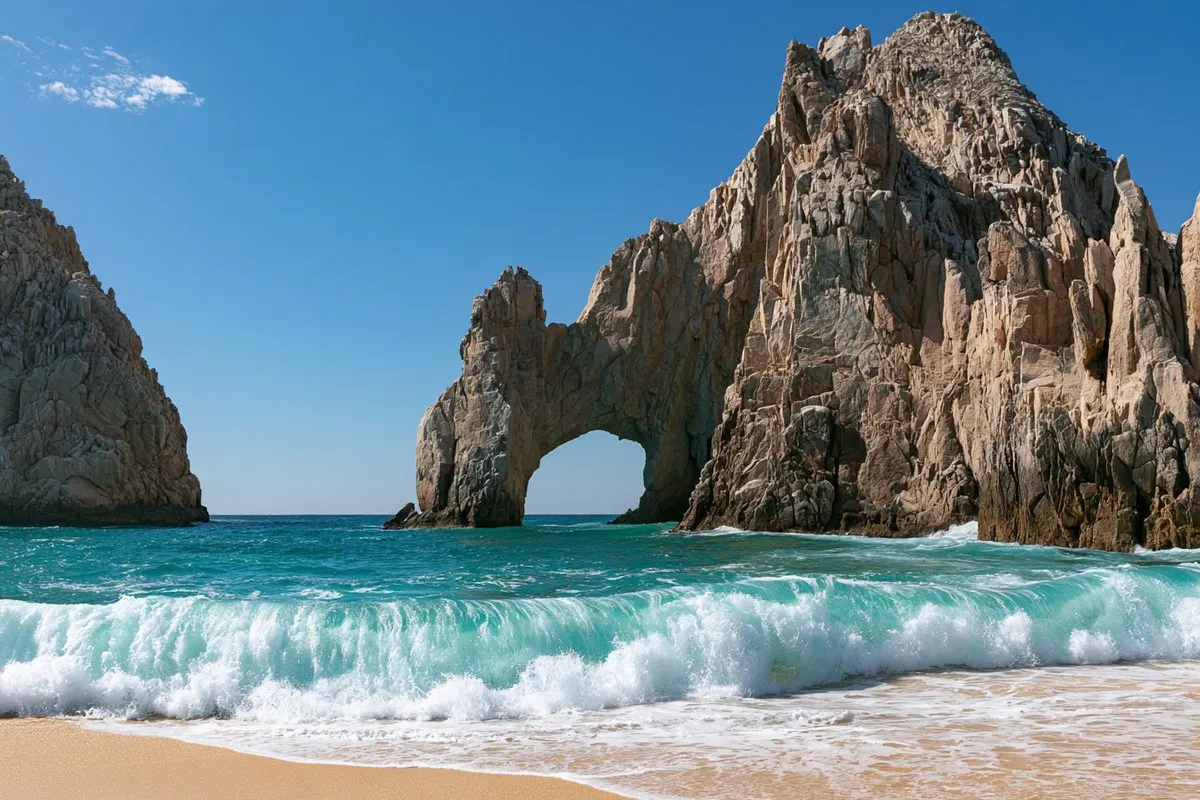
Cabo San Lucas
Cabo San Lucas is a vibrant destination known for its breathtaking natural beauty and thrilling adventures. It offers unique experiences like snorkeling with whale sharks and hiking with rescue dogs, alongside rich cultural traditions. The area is also famous for its delicious Baja-style fish tacos and other traditional Mexican dishes.
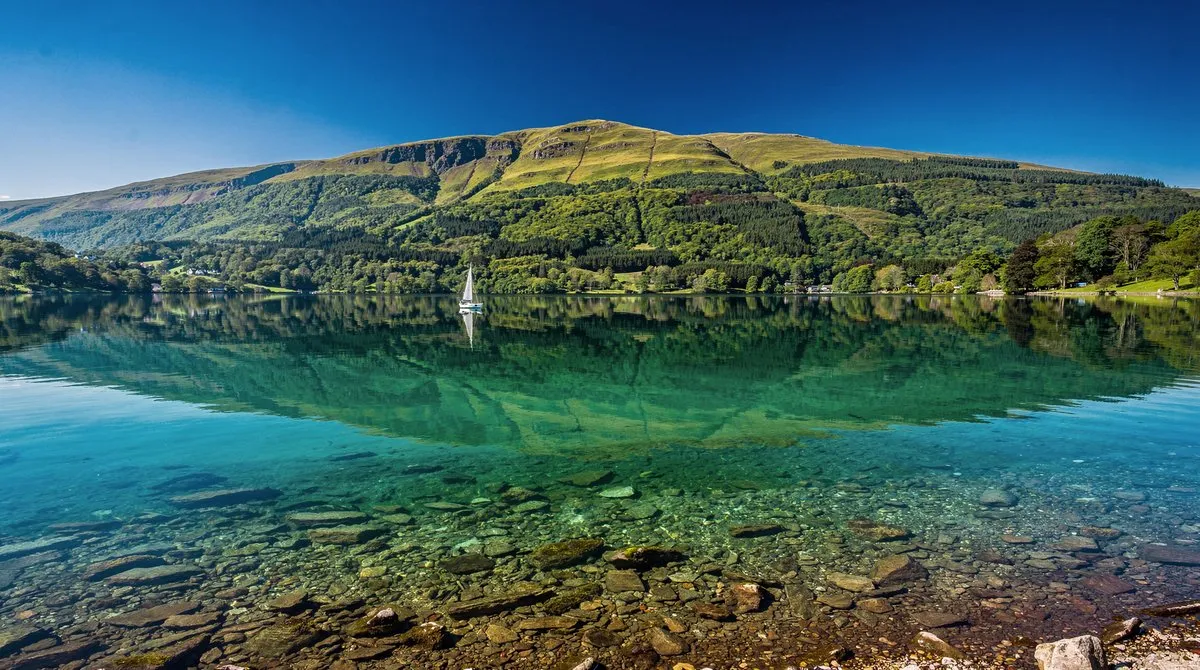
Lake District
The Lake District is a stunning UNESCO World Heritage Site known for its dramatic landscapes, including lakes, mountains, and forests. It has inspired poets and writers for centuries, offering a rich literary heritage and a magical blend of natural beauty. A favorite destination for outdoor activities, it remains one of England's most visited national parks.
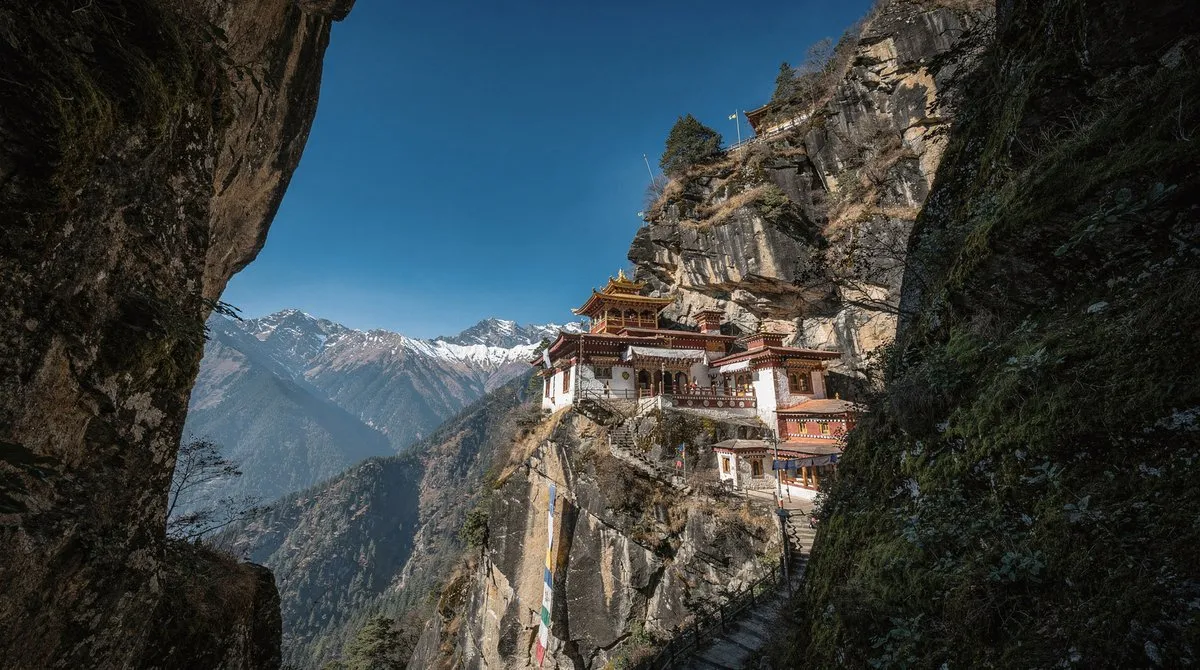
Tiger's Nest Monastery
Perched on a cliffside at 3,120 meters, Tiger's Nest Monastery is one of Bhutan's most sacred and breathtaking sites. It was built around the caves where Guru Padmasambhava meditated in the 8th century, making it a major Buddhist pilgrimage destination. The challenging hike to the monastery offers stunning views and a deeply spiritual experience.
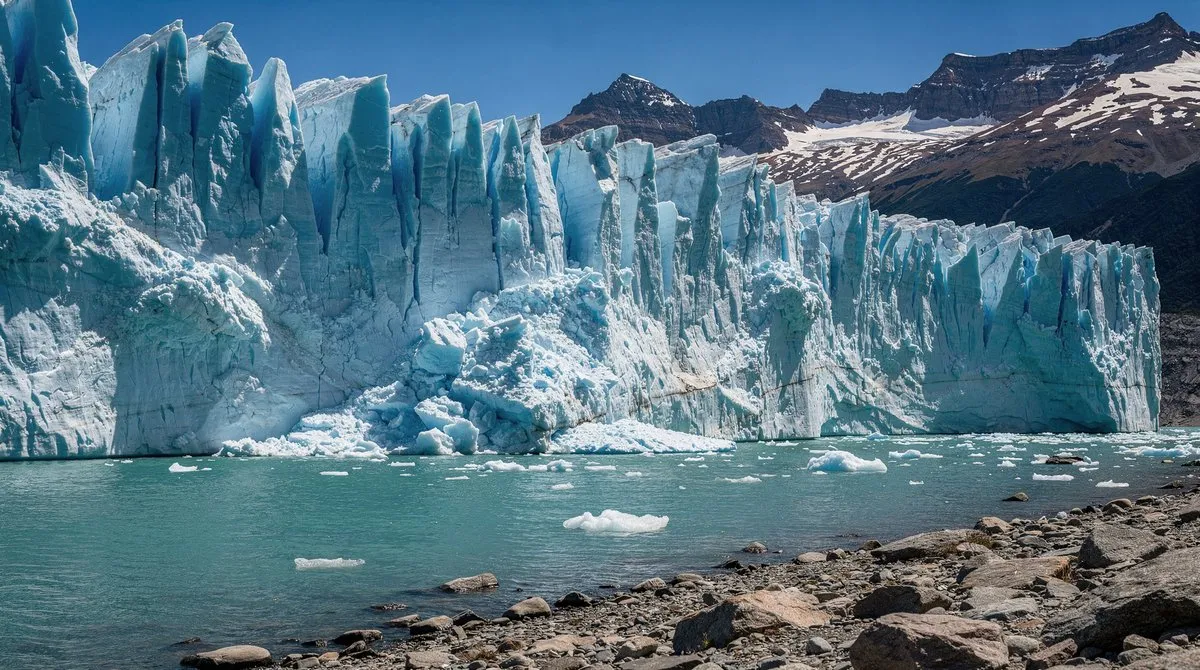
Patagonia
Patagonia is a vast and remote region known for its dramatic landscapes, towering peaks, and massive glaciers. It offers some of the most untouched and breathtaking natural beauty on Earth, with iconic hiking trails and unique wildlife. The area's rugged terrain and stunning vistas make it a dream destination for adventure seekers and nature lovers.
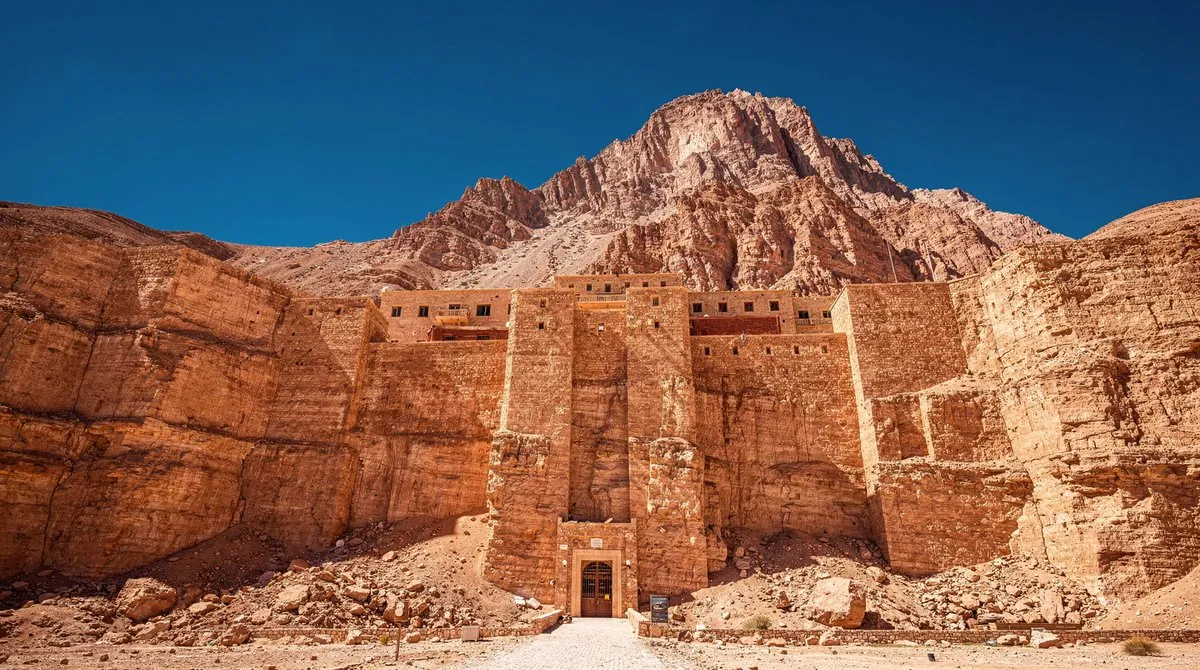
Monastery of Saint Catherine
Nestled on the slopes of Mount Sinai, the Monastery of Saint Catherine is a sacred site where Moses is believed to have received the Ten Commandments. It is one of the oldest continuously operating monasteries in the world, housing a vast library of ancient manuscripts and the Church of the Burning Bush. A UNESCO World Heritage Site, it stands as a unique spiritual convergence of Christianity, Islam, and Judaism in a breathtaking desert landscape.
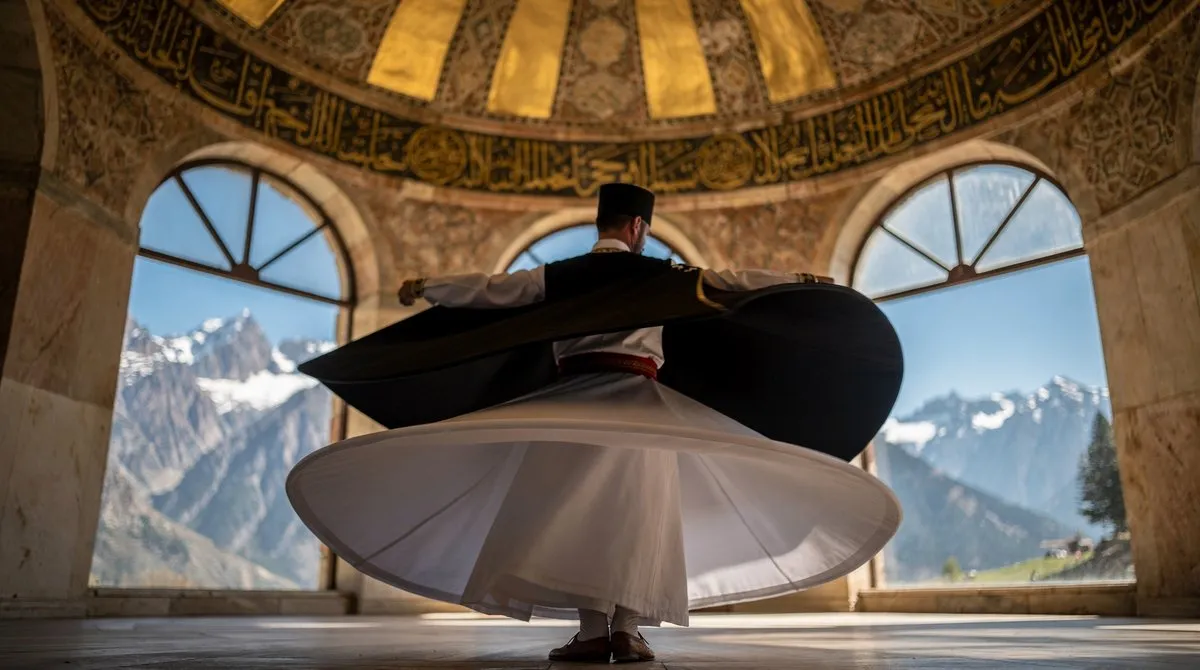
Konya
Konya is a city steeped in history and spirituality, known as the heart of Sufi tradition and the final resting place of the revered poet Rumi. It offers a unique glimpse into the mystical practices of the Mevlevi Order through the mesmerizing ritual of the whirling dervishes. The city blends ancient heritage with deep cultural significance, making it a sanctuary for those seeking spiritual enlightenment.
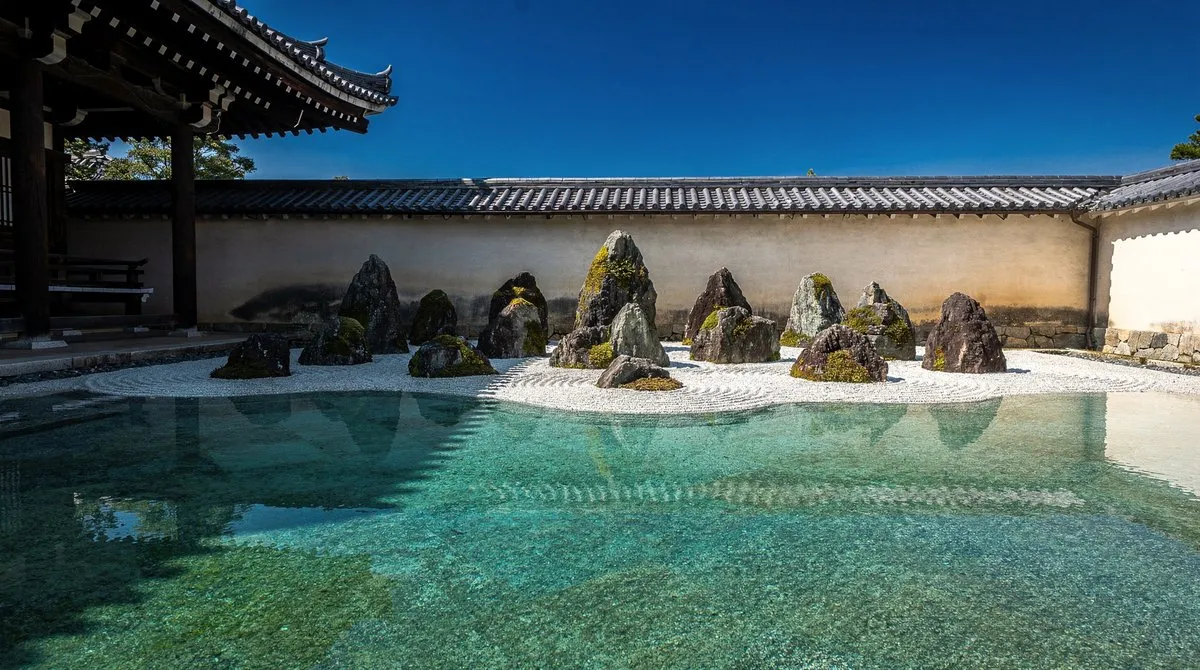
Ryōan-ji Temple
Ryōan-ji Temple is a serene Zen temple in Kyoto, renowned for its enigmatic dry landscape garden. The garden features 15 stones arranged in a sea of raked gravel, designed to inspire meditation and reflection. A UNESCO World Heritage Site, it embodies the principles of Zen Buddhism through its minimalist beauty and profound spiritual significance.
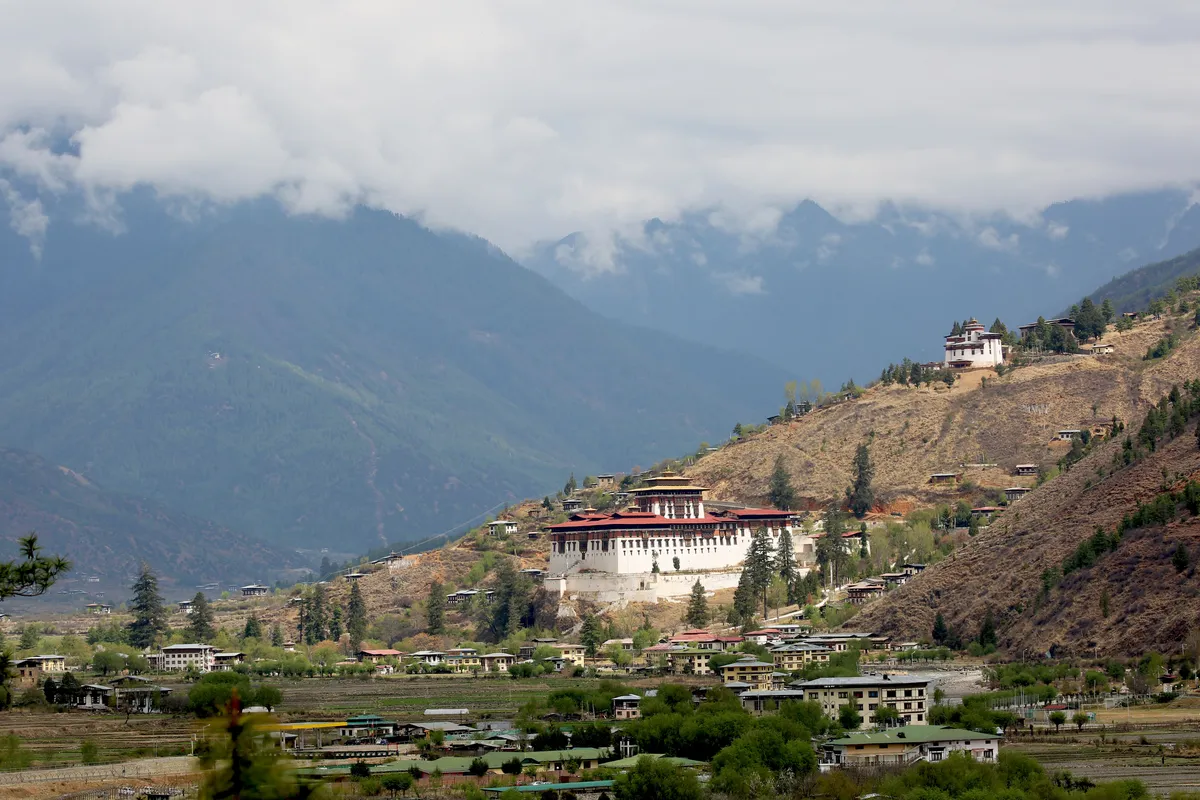
Paro Valley
Paro Valley is a serene and spiritually significant region in Bhutan, known for its breathtaking landscapes and ancient monasteries. It serves as the gateway to the country and is home to iconic sites like the Tiger's Nest Monastery and Paro Dzong. The valley offers a unique blend of natural beauty, cultural heritage, and Buddhist traditions that create an unforgettable experience.