
Grief, Transitions and Renewal: Bridges, Frankl, and the Journey Through Liminal Space
Explore
Grief, Transitions & Renewal: Bridges, Frankl, and the Journey Through Liminal Space
The Nature of Transition: Why Change Hurts Even When It's Chosen
One of the most important insights in organizational psychology and personal development comes from William Bridges' landmark work "Transitions: Making Sense of Life's Changes" (1980).Bridges made a crucial distinction that most people miss:
Change is external.Transition is internal.
You can change jobs, cities, relationships, or countries in a day.
ternal.Transition is internal.**
You can change jobs, cities, relationships, or countries in a day.
ng, or why returning home from a transformative journey can trigger unexpected sadness or emptiness.
Bridges' Three Stages of Transition
Stage 1: Ending
Every transition begins with an ending — and endings involve loss, even when the change is positive.Moving to a new city means losing your old neighborhood, your daily rhythms, your sense of place.Starting a new chapter means closing the old one.
ghborhood, your daily rhythms, your sense of place.Starting a new chapter means closing the old one.
the real past
- Disorientation: the feeling of not knowing who you are without the old framework
This stage is often the most painful and the most avoided.People may rush through endings — booking a trip to "get over it," staying busy, numbing with distraction — rather than allowing the grief of letting go to move through them.
Stage 2: The Neutral Zone
The Neutral Zone is Bridges' most important contribution.
n space** — the period after the old has ended but before the new has formed.It is characterized by:
- Confusion and uncertainty
- A sense of emptiness or directionlessness
- Creative potential (the old rules don't apply anymore)
- Heightened vulnerability and sensitivity
- Both anxiety and freedom
Bridges describes the Neutral Zone as the crucible of creativity.It is uncomfortable precisely because nothing is settled — and that very unsettledness creates the conditions for genuine transformation.
nothing is settled — and that very unsettledness creates the conditions for genuine transformation.
in the Neutral Zone and either retreat to what's familiar or rush prematurely toward a new identity.
Stage 3: New Beginning
A new beginning emerges when the transition process crystallizes into a new sense of identity, purpose, and direction.This stage involves:
- Internalizing the change: making it part of who you are
- Developing new energy and commitment: feeling engaged with the
w direction
- Making new meaning: understanding the transition in the context of your life story
Viktor Frankl: Meaning-Making in the Darkest Places
Viktor Frankl, a Viennese psychiatrist and Holocaust survivor, developed logotherapy — a therapeutic approach centered on the human search for meaning.His memoir "Man's Search for Meaning" (1946) remains one of the most influential books in psychology.
Frankl's core insight: "He who has a 'why' to live for can bear almost any 'how.'"
psychology.
Frankl's core insight: "He who has a 'why' to live for can bear almost any 'how.'"
psychology.
Logotherapy rests on three principles:
1.The will to meaning: The primary human drive is not pleasure (Freud) or power (Adler) but meaning.We are fundamentally meaning-seeking creatures.2.Meaning in all circumstances: Meaning can be found in any situation, even the most suffering.Not despite suffering, but within it — through the stance we take toward it.3.
choose our circumstances, but we can always choose our response.This is the last of human freedoms.
choose our circumstances, but we can always choose our response.This is the last of human freedoms.
For Frankl, meaning is discovered through:
- Creating a work or doing a deed: contributing something to the world
- Experiencing something or encountering someone: love, beauty, nature, art, another human being
- The attitude we take toward unavoidable suffering: choosing dignity, courage, and purpose even in the worst conditions
The Kübler-Ross Model: Five Stages of Grief
Elisab
ge, and purpose even in the worst conditions
The Kübler-Ross Model: Five Stages of Grief
Elisab
eful framework for understanding the emotional landscape of loss and transition.The five stages are:
1.Denial: "This isn't happening." Protective numbness.2.Anger: "Why is this happening to me?" Looking for someone to blame.3.Bargaining: "If I just do X, this will be okay." Trying to regain control.4.Depression: "What's the point?" The weight of the reality settling in.5.Acceptance: "This is real, and I can live with it." Not happiness — but engagement with reality.
Acceptance: "This is real, and I can live with it." Not happiness — but engagement with reality.
Important caveat: These stages are not linear.
uesday and denial on Thursday.The stages are not a checklist but a map of the emotional terrain.
Therapist Response Examples
Example 1
Client: "I just got back from this amazing trip and I feel completely empty.What's wrong with me?" Therapist: "Nothing is wrong with you.What you're describing is incredibly common.
ou've changed.That emptiness might be the space between who you were before and who you're becoming.
Bridges called it the Neutral Zone.It's not a problem to fix.It's a threshold to cross."
Example 2
Client: "I lost my job six months ago.Everyone says I should be over it by now." Therapist: "There's no timeline on this.Grief doesn't follow a schedule.What matters isn't whether you're 'over it' — it's whether you're allowing yourself to feel what's actually there.What's present for you when you slow down and check in?"
wing yourself to feel what's actually there.What's present for you when you slow down and check in?"
Example 3
Client: "I keep thinking about the trip I couldn't take because of the pandemic.
ere ready to become.You didn't just lose a trip.You lost a possibility.That deserves to be mourned."
Example 4
Client: "I don't know who I am anymore.My kids are grown, I just retired, and everything feels meaningless." Therapist: "What you're describing is the ending of a whole chapter — maybe several chapters.
efinitions fall away.Not having an answer yet isn't the problem.It's the beginning of the question."
Example 5
Client: "I'm angry all the time since the breakup.I thought I'd be sad, not angry." Therapist: "Anger is part of grief.Kübler-Ross placed it right in the middle — after the shock wears off, the injustice becomes clear, and it's infuriating.That anger has something to tell you.Not just about the other person, but about what you need, what wasn't honored, what you're ready to no longer accept."
other person, but about what you need, what wasn't honored, what you're ready to no longer accept."
Travel Connection: Pilgrimage, Retreat, and the Symbolic Journey
Travel has always been intertwined with the human experience of transition and renewal:
- Pilgrimage as ritual transition: The Camino de Santiago, the Hajj, the Kumbh Mela, Shikoku's 88 temples — pilgrimages are intentionally designed to move the traveler through Bridges' three stages.
al.This is travel as ritual, as remembrance, as a way to hold relationship across distance and time.
al.This is travel as ritual, as remembrance, as a way to hold relationship across distance and time.
William Bridges wrote: "The transition is that psychological process people go through to come to terms with a new situation." Travel, at its deepest, is the practice of entering new situations — not just geographical ones, but psychological ones — and allowing the old self to dissolve so the new self can emerge.As Frankl reminds us: in that space between, meaning is not given.It is made.
✨You might also like
✨Explore more
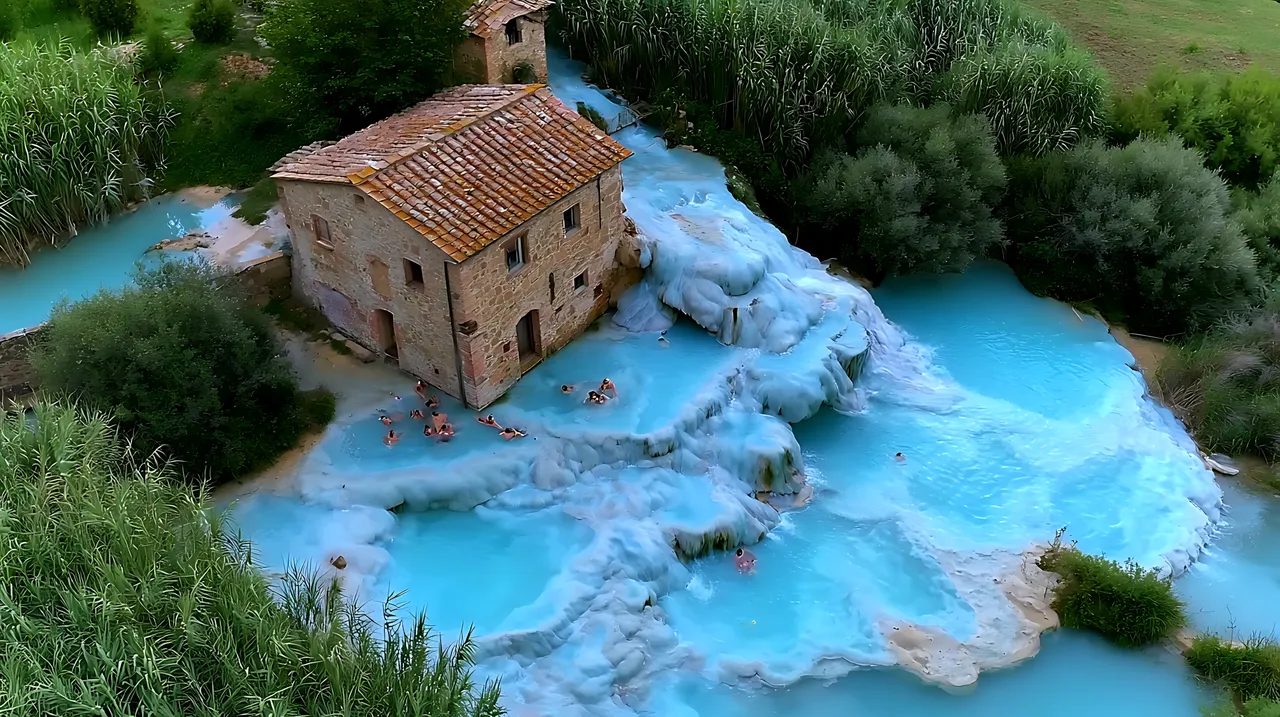
Cascade Del Mulino
Nestled in the heart of Tuscany, the Cascate del Mulino is a natural wonder where thermal waters cascade into serene pools. The constant 37.5°C (98.6°F) temperature and mineral-rich waters offer a therapeutic experience, surrounded by the breathtaking Maremma countryside. This free, open-air spa has been a source of relaxation since ancient times, with legends attributing its creation to the gods. Whether you visit in the early morning or at sunset, the cascades provide a tranquil escape from th
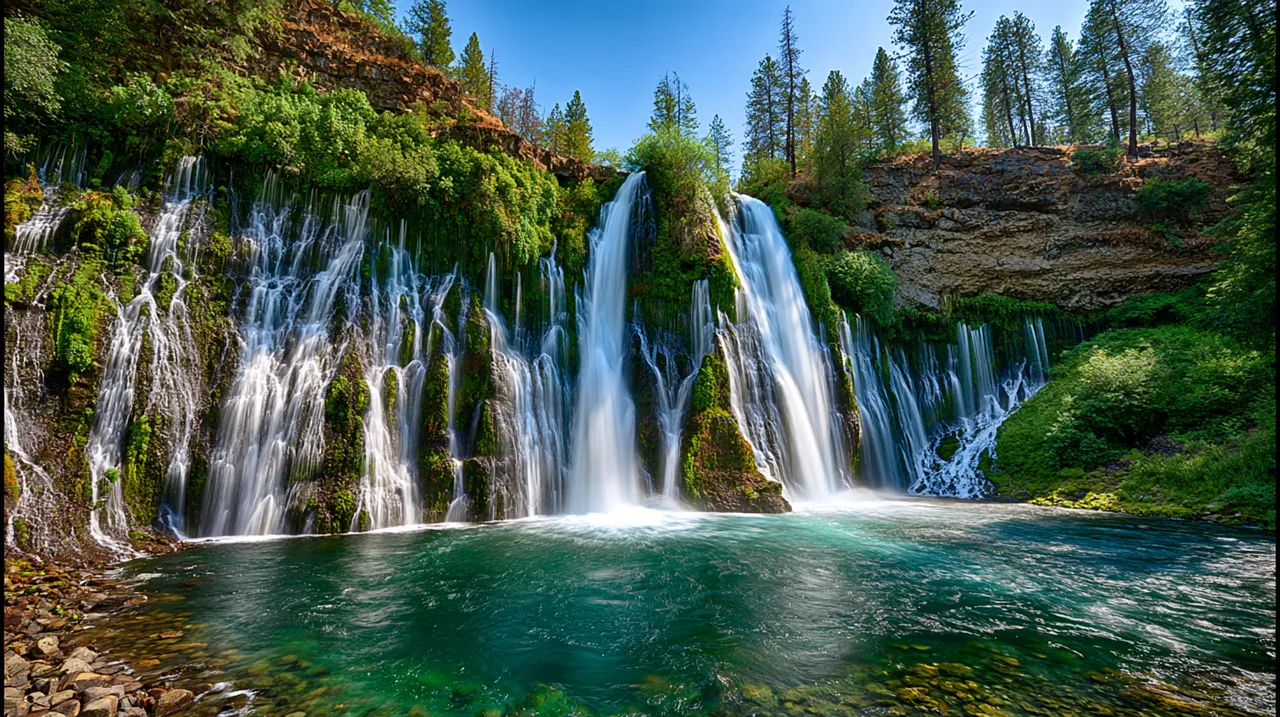
McArthur-Burney Falls
Nestled in the Cascade Range and Modoc Plateau, McArthur–Burney Falls Memorial State Park is a natural wonder that captivates visitors with its stunning 129-foot waterfall. The park, one of California's oldest, offers a serene and picturesque setting for hiking, fishing, and watersports. The falls, fed by underground springs, maintain a consistent flow year-round, creating a mesmerizing curtain of water that plunges into a mist-filled basin. The surrounding evergreen forests and volcanic landsca
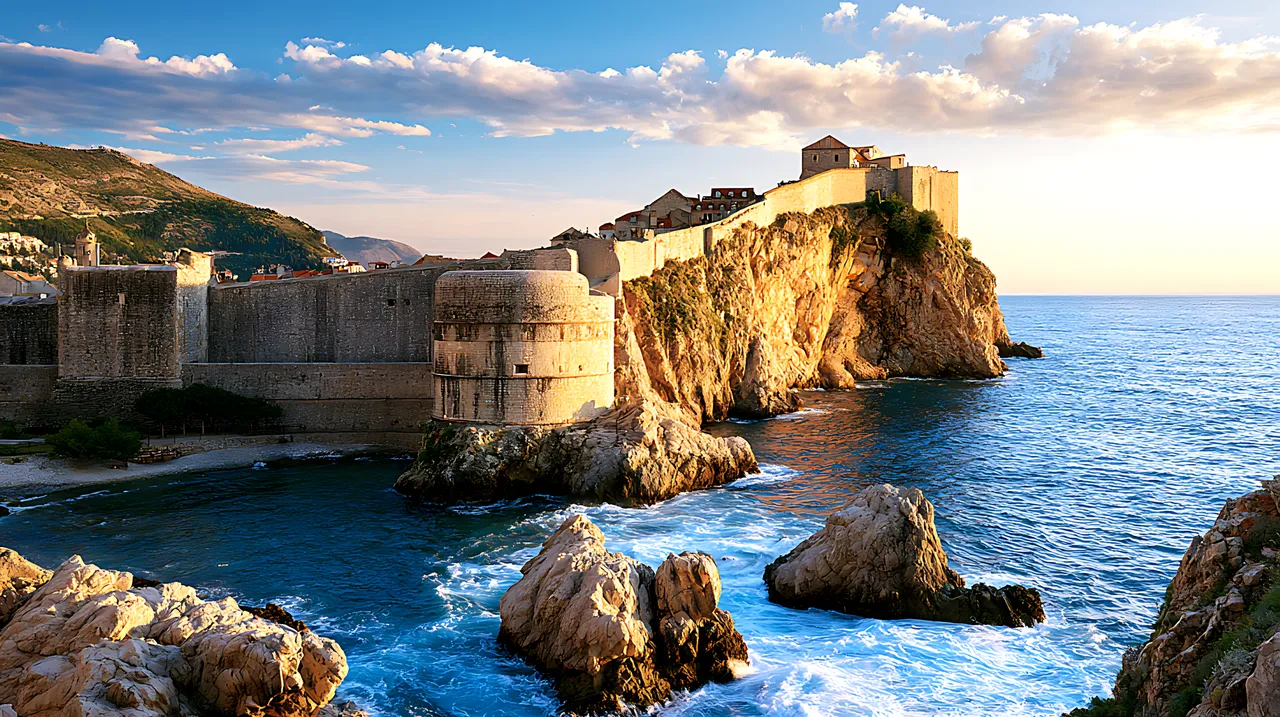
Fort Lovrijenac, Croatia
Perched on a 37-meter-high rock, Fort Lovrijenac, also known as St. Lawrence Fortress, stands as a symbol of Dubrovnik's independence and power. Built in the early 11th century, it was designed to protect the city from Venetian invasion. Today, it is a well-preserved historical site that hosts cultural events and offers breathtaking views of the Adriatic Sea and Old Town Dubrovnik.
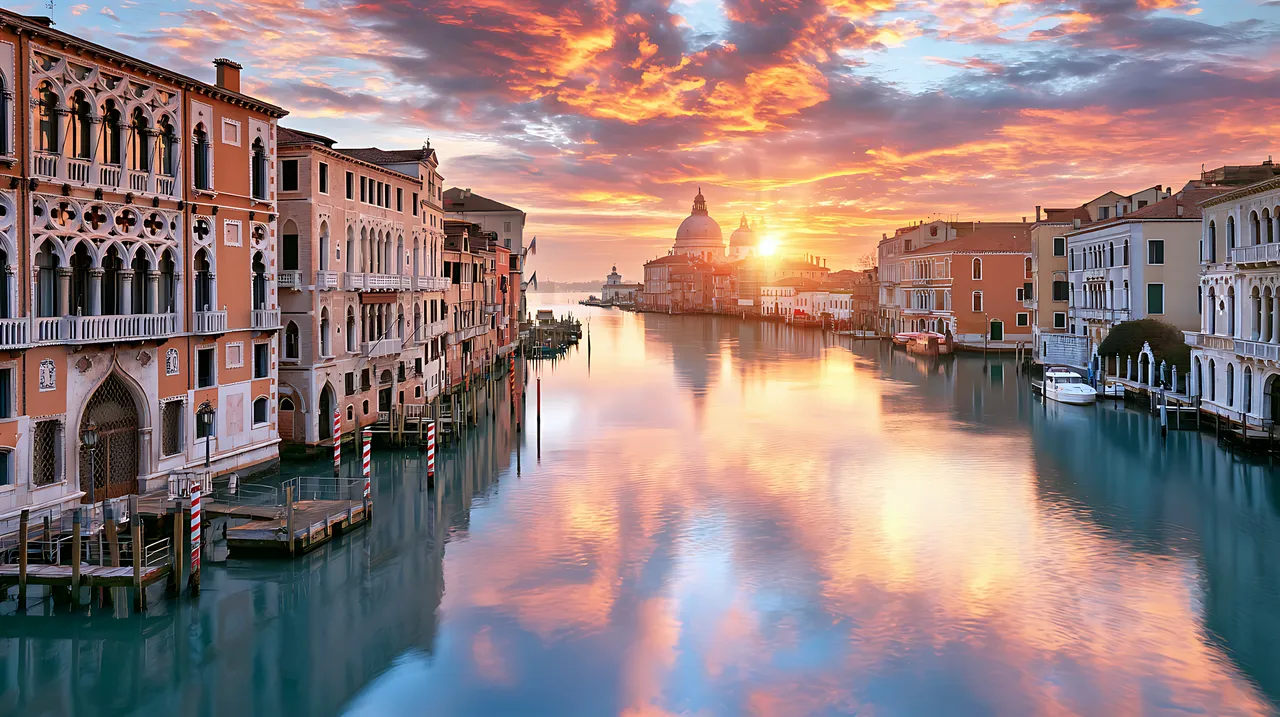
Venice
Venice is a stunning city built on a group of 118 small islands separated by canals and linked by bridges. Known as the 'City of Canals,' it is a masterpiece of Gothic architecture and a symbol of historical trade and culture. Its romantic ambiance and rich artistic heritage make it one of the most enchanting destinations in the world.

Verona
Verona is a 2000-year-old city steeped in history and romance, best known as the setting of Shakespeare's Romeo and Juliet. Its stunning Veronese pink stone buildings, ancient Roman ruins, and Renaissance gardens create a timeless atmosphere. The city also offers beautiful vineyards and wine-tasting opportunities in the surrounding Valpolicella and Soave regions.
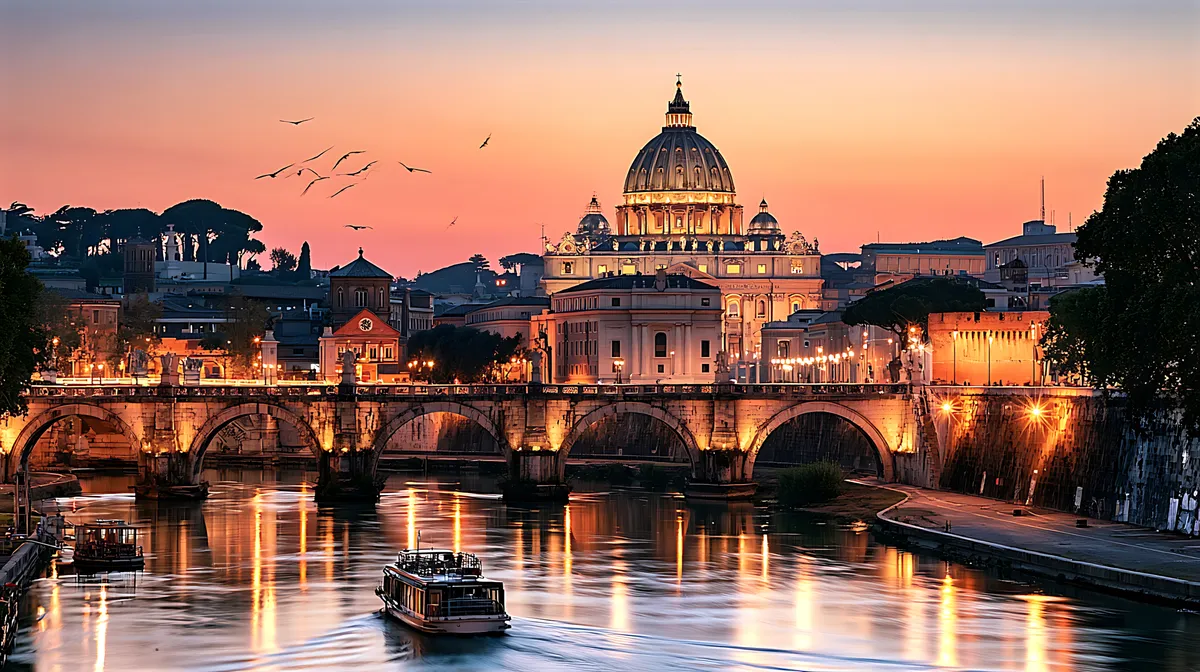
Rome
Rome, the 'Eternal City,' is a mesmerizing blend of ancient history and modern charm. Home to iconic landmarks like the Colosseum, Roman Forum, and Pantheon, it offers a glimpse into the grandeur of the Roman Empire. With its vibrant neighborhoods, world-class cuisine, and rich cultural heritage, Rome captivates travelers with its timeless allure.
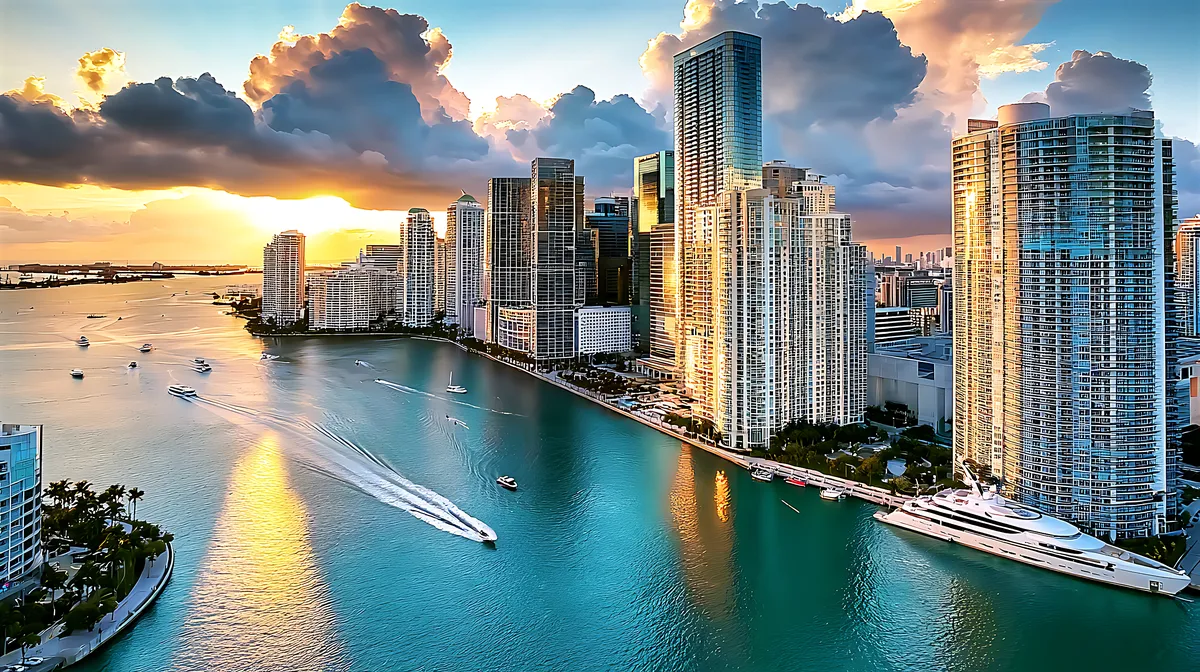
Miami
Miami is a vibrant city known for its stunning beaches, cultural diversity, and artistic energy. It blends urban excitement with natural beauty, offering everything from the colorful murals of Wynwood to the serene landscapes of the Everglades. With its rich Cuban heritage and world-class attractions, Miami is a destination that celebrates both culture and nature.
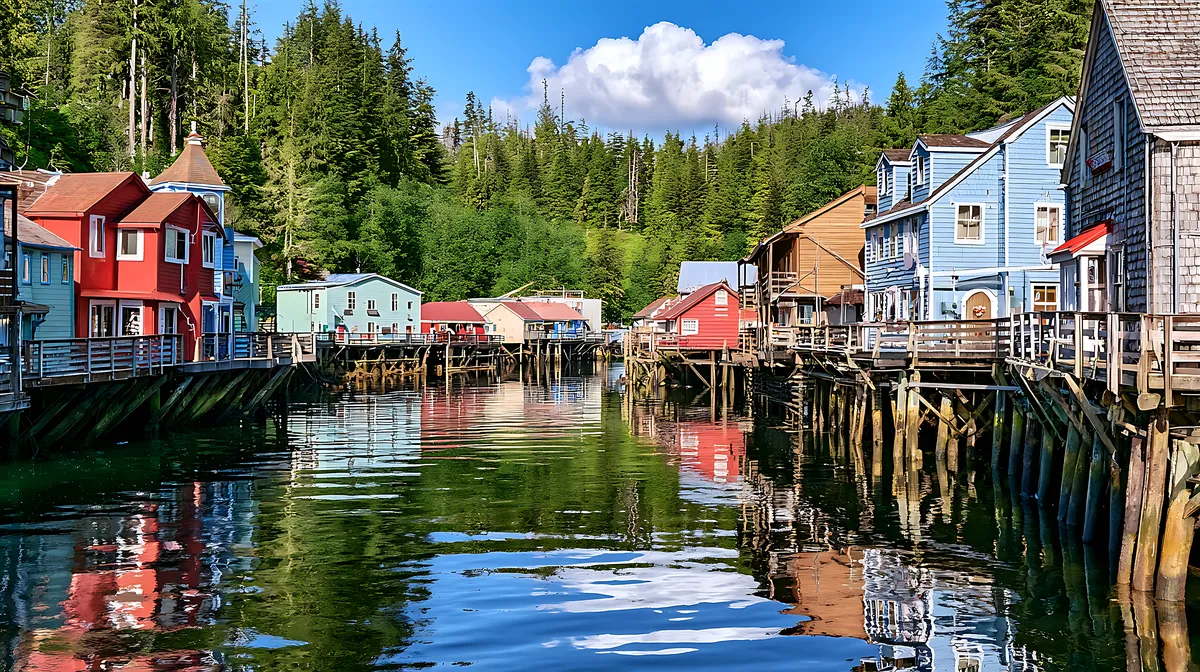
Ketchikan
Ketchikan, located on Revillagigedo Island in southeastern Alaska, is known as the 'Salmon Capital of the World' and the 'Rain Capital of Alaska.' It offers a rich Tlingit heritage and the world's largest collection of standing totem poles, making it a unique cultural and natural destination.
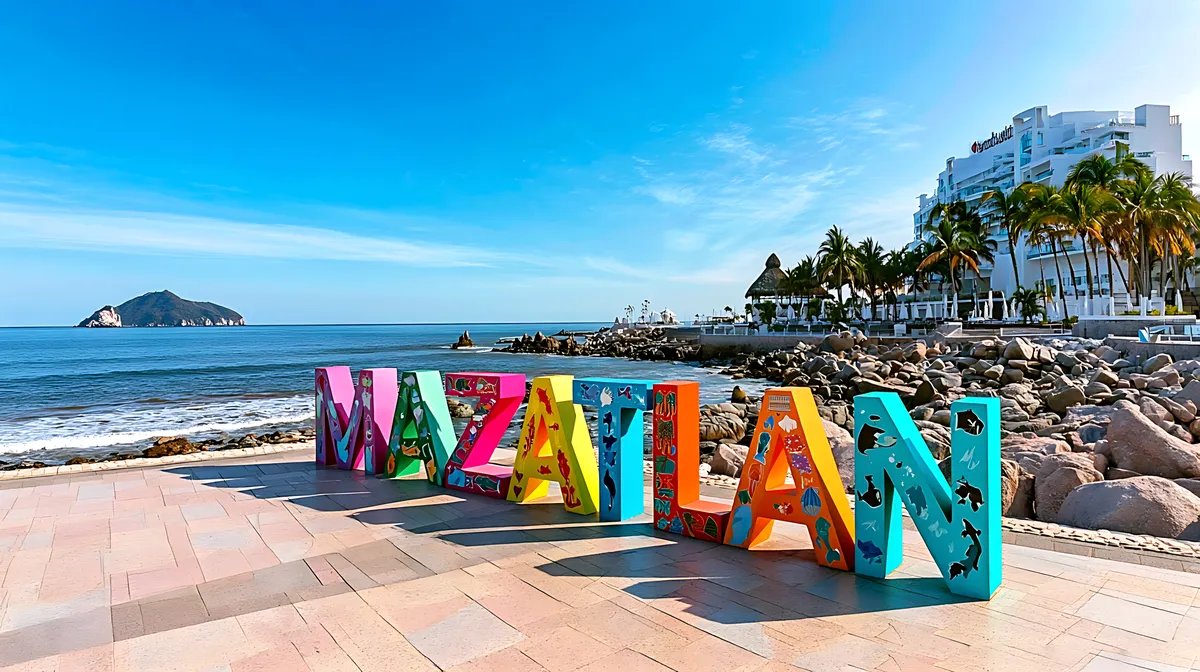
Mazatlán
Mazatlán, known as the 'Pearl of the Pacific,' boasts a stunning coastline and a well-preserved historic center filled with colorful buildings and cultural landmarks. The city offers a vibrant mix of colonial history, fresh seafood, and natural attractions like Playa Olas Altas, perfect for surfing and sunbathing. Its famous Malecón seafront promenade and seasonal whale watching make it a unique destination for both relaxation and adventure.
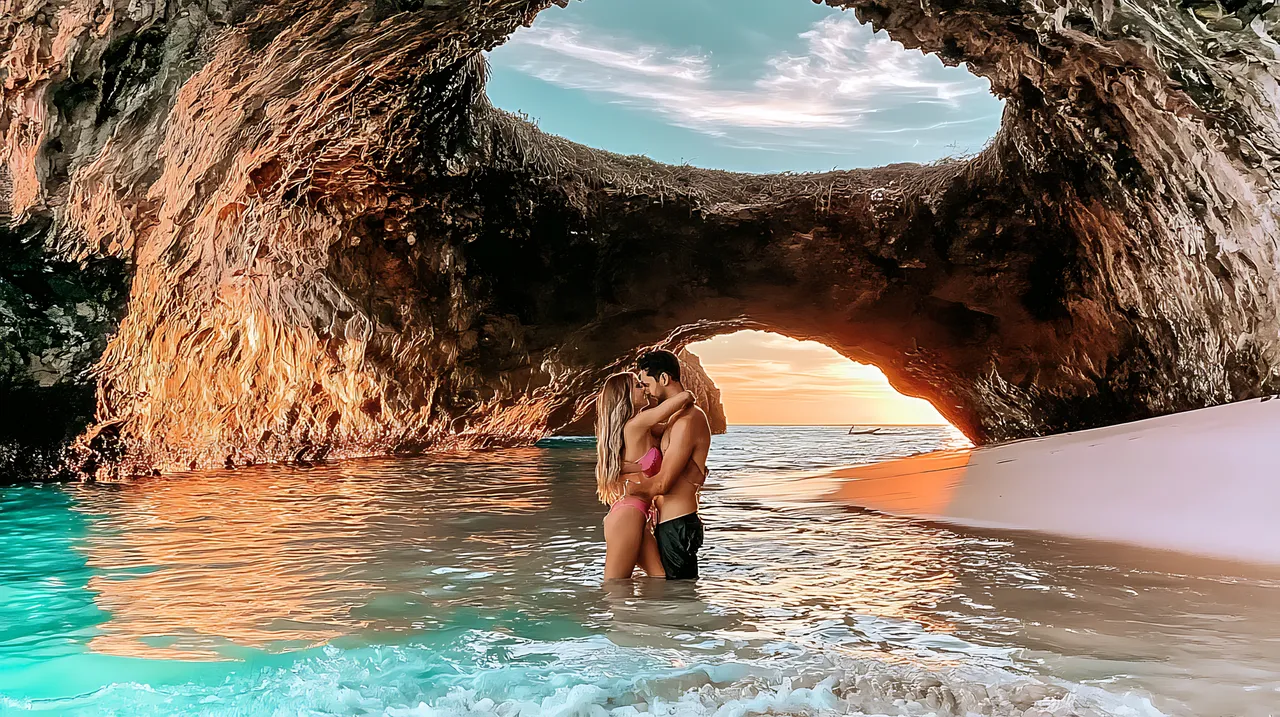
Puerto Vallarta
Puerto Vallarta is a vibrant Mexican city where chaotic energy meets genuine community, offering a unique blend of natural beauty and cultural richness. Known for its lively nightlife, stunning beaches, and world-class culinary scene, it attracts travelers seeking both adventure and authenticity. With its mild climate and picturesque setting, it's a perfect destination for those looking to experience the best of Mexico.
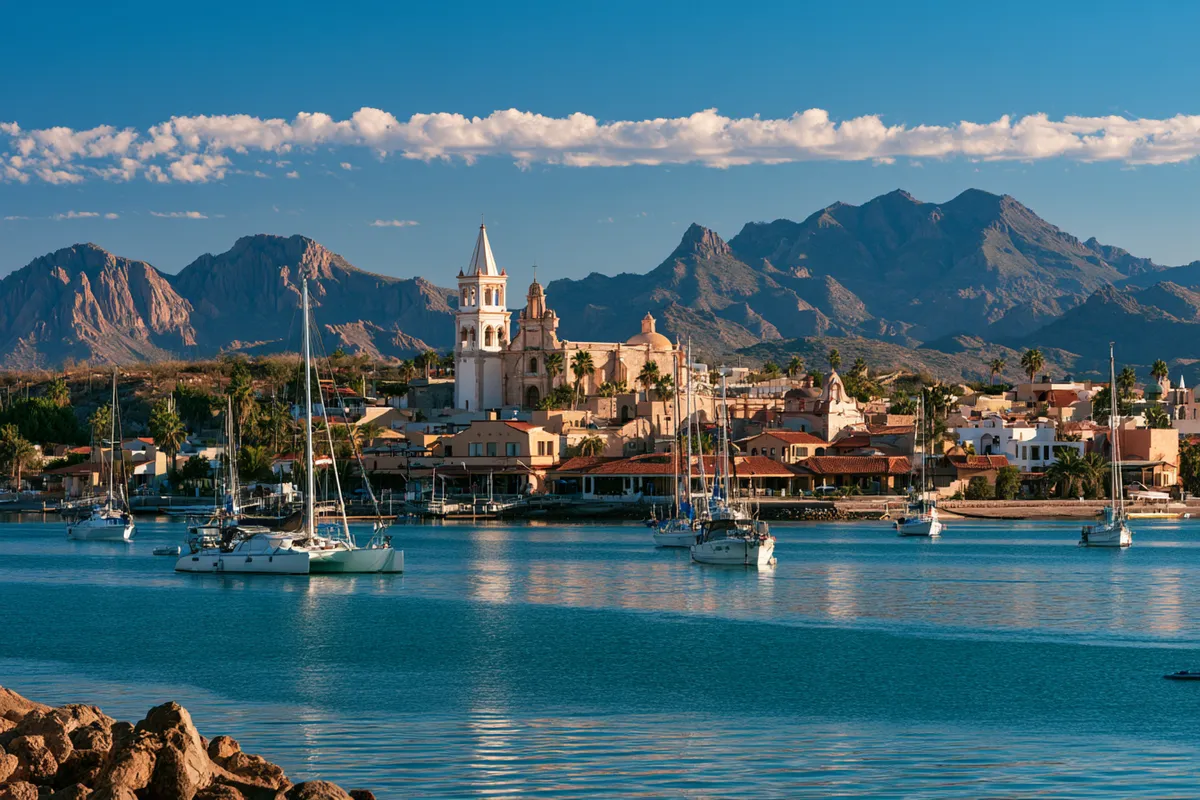
Loreto
Loreto is a charming seaside town on the Baja California Peninsula, known for its clear waters, dolphin sightings, and beach clambakes. It blends natural beauty with rich history, including the first Jesuit mission in Mexico and designation as a Pueblo Mágico. The Sea of Cortez offers incredible opportunities for water sports and wildlife encounters, making it a unique destination for adventure and relaxation.
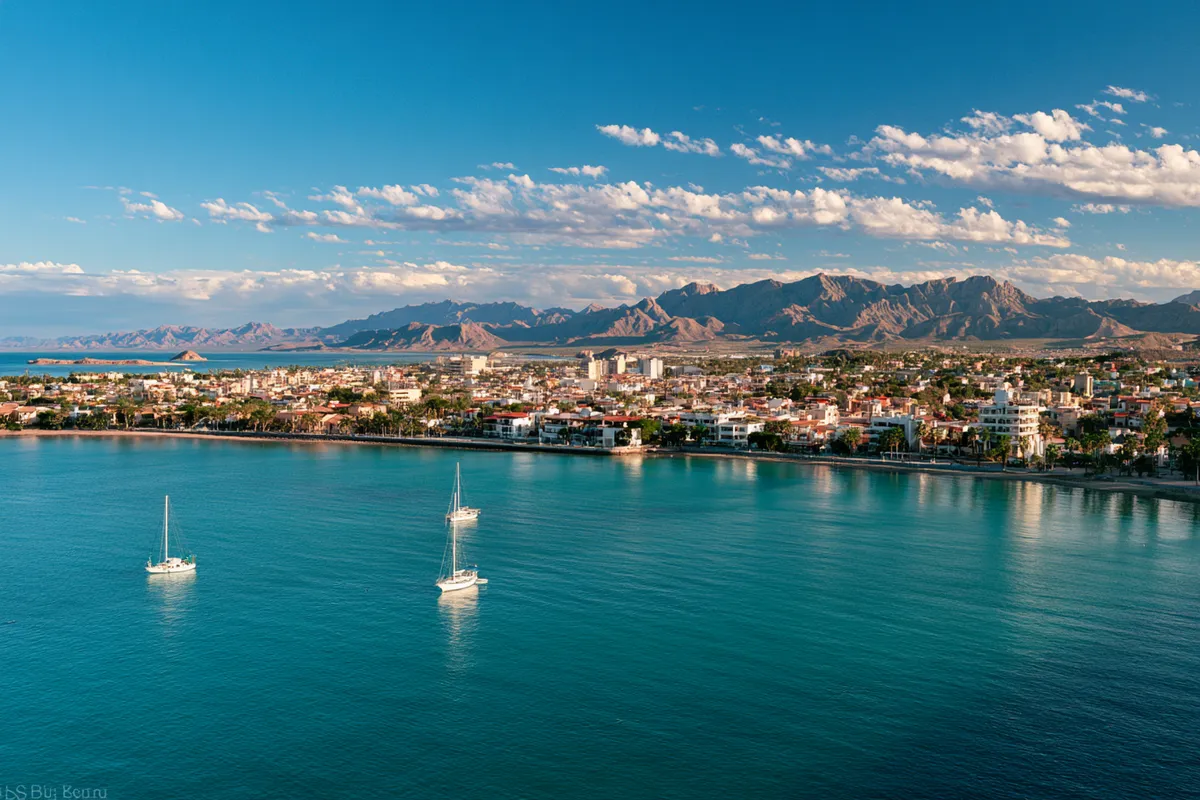
La Paz
La Paz is a serene coastal city known for its stunning beaches, crystal-clear waters, and vibrant marine life. It offers unique experiences like swimming with whale sharks and sea lions, making it a paradise for nature lovers. With a relaxed atmosphere and rich cultural heritage, La Paz blends adventure with tranquility in the heart of Baja California.
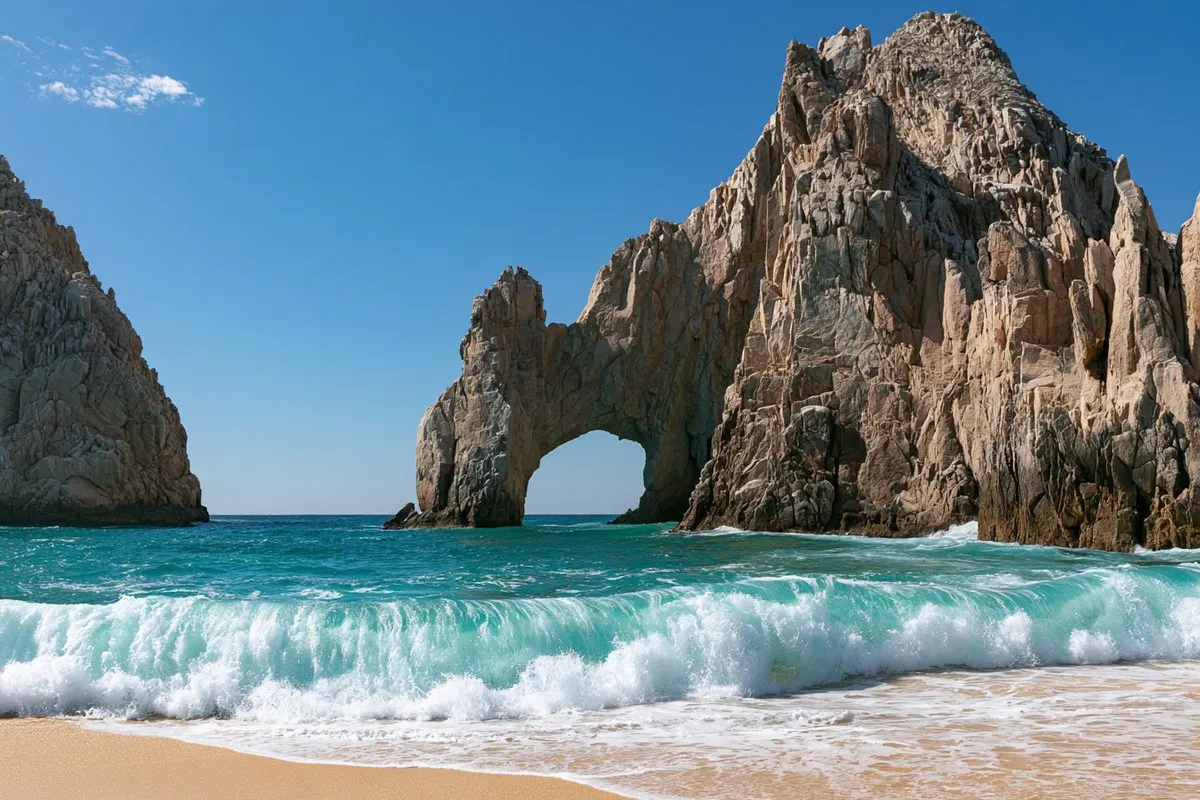
Cabo San Lucas
Cabo San Lucas is a vibrant destination known for its breathtaking natural beauty and thrilling adventures. It offers unique experiences like snorkeling with whale sharks and hiking with rescue dogs, alongside rich cultural traditions. The area is also famous for its delicious Baja-style fish tacos and other traditional Mexican dishes.
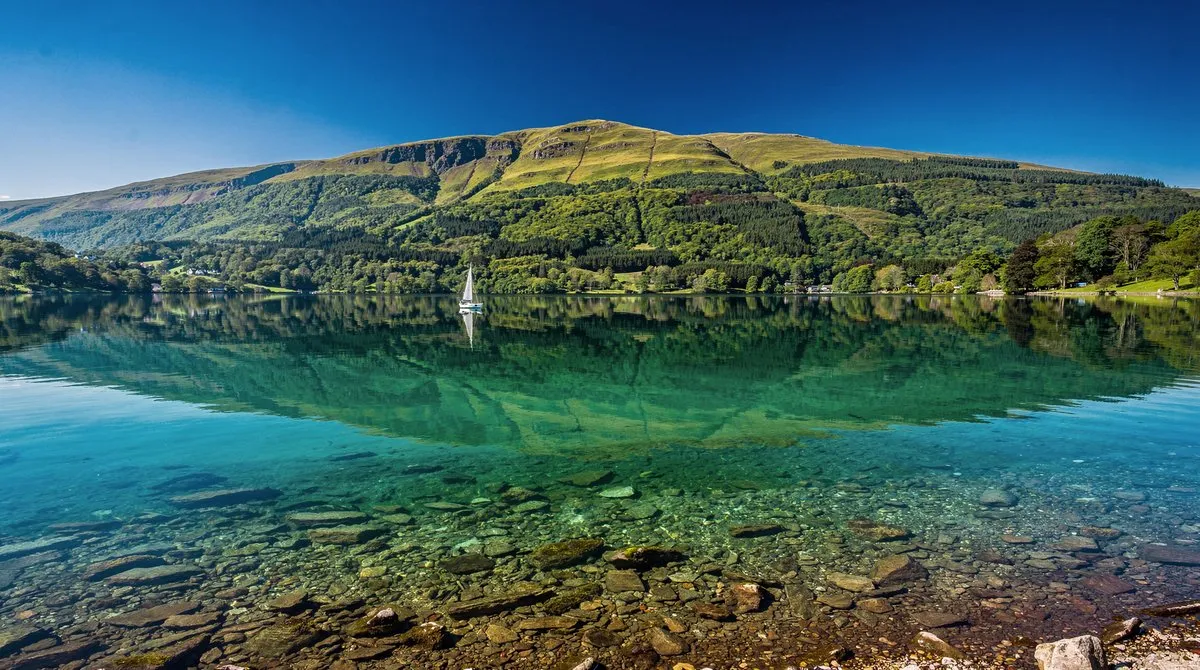
Lake District
The Lake District is a stunning UNESCO World Heritage Site known for its dramatic landscapes, including lakes, mountains, and forests. It has inspired poets and writers for centuries, offering a rich literary heritage and a magical blend of natural beauty. A favorite destination for outdoor activities, it remains one of England's most visited national parks.
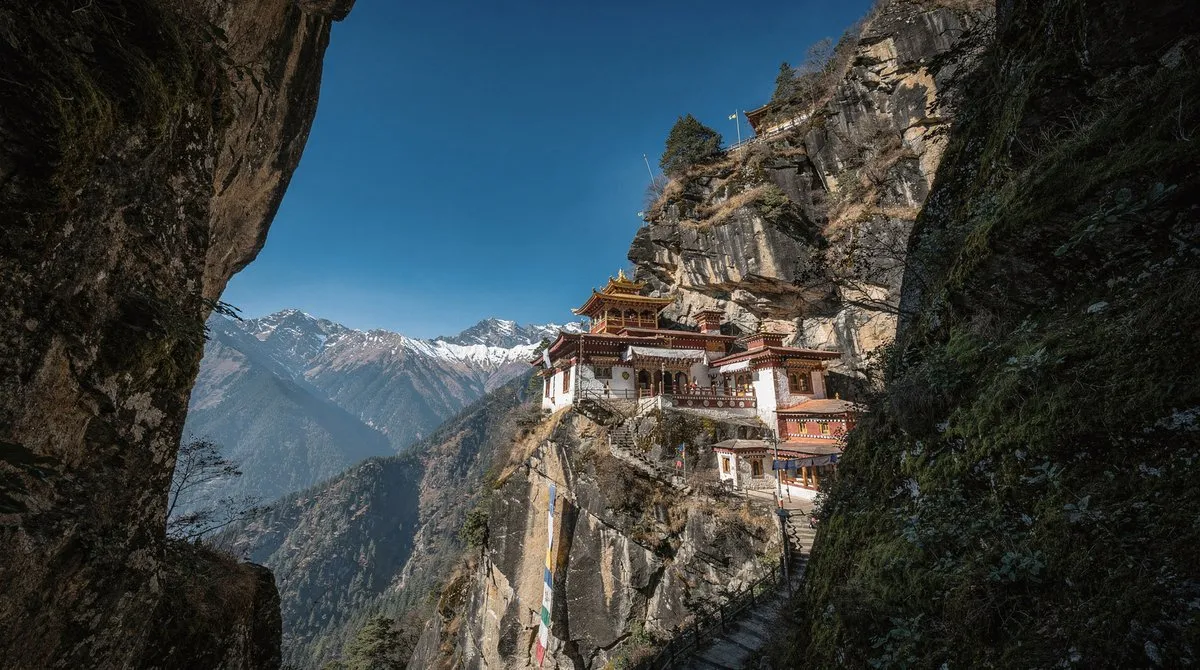
Tiger's Nest Monastery
Perched on a cliffside at 3,120 meters, Tiger's Nest Monastery is one of Bhutan's most sacred and breathtaking sites. It was built around the caves where Guru Padmasambhava meditated in the 8th century, making it a major Buddhist pilgrimage destination. The challenging hike to the monastery offers stunning views and a deeply spiritual experience.
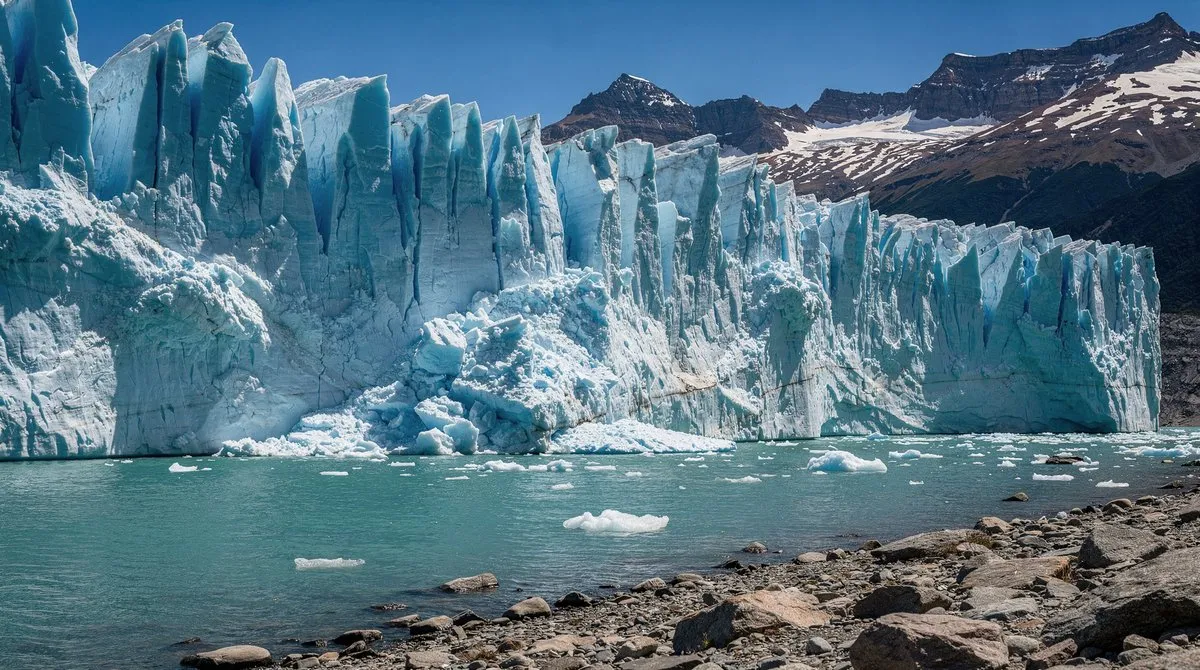
Patagonia
Patagonia is a vast and remote region known for its dramatic landscapes, towering peaks, and massive glaciers. It offers some of the most untouched and breathtaking natural beauty on Earth, with iconic hiking trails and unique wildlife. The area's rugged terrain and stunning vistas make it a dream destination for adventure seekers and nature lovers.
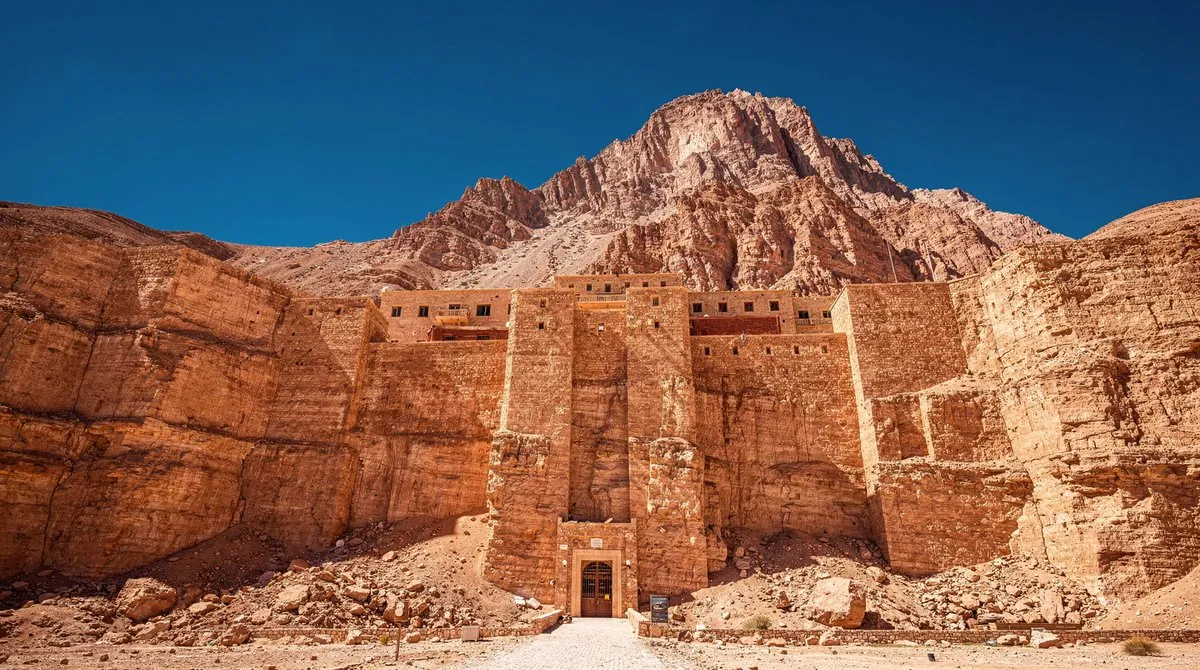
Monastery of Saint Catherine
Nestled on the slopes of Mount Sinai, the Monastery of Saint Catherine is a sacred site where Moses is believed to have received the Ten Commandments. It is one of the oldest continuously operating monasteries in the world, housing a vast library of ancient manuscripts and the Church of the Burning Bush. A UNESCO World Heritage Site, it stands as a unique spiritual convergence of Christianity, Islam, and Judaism in a breathtaking desert landscape.
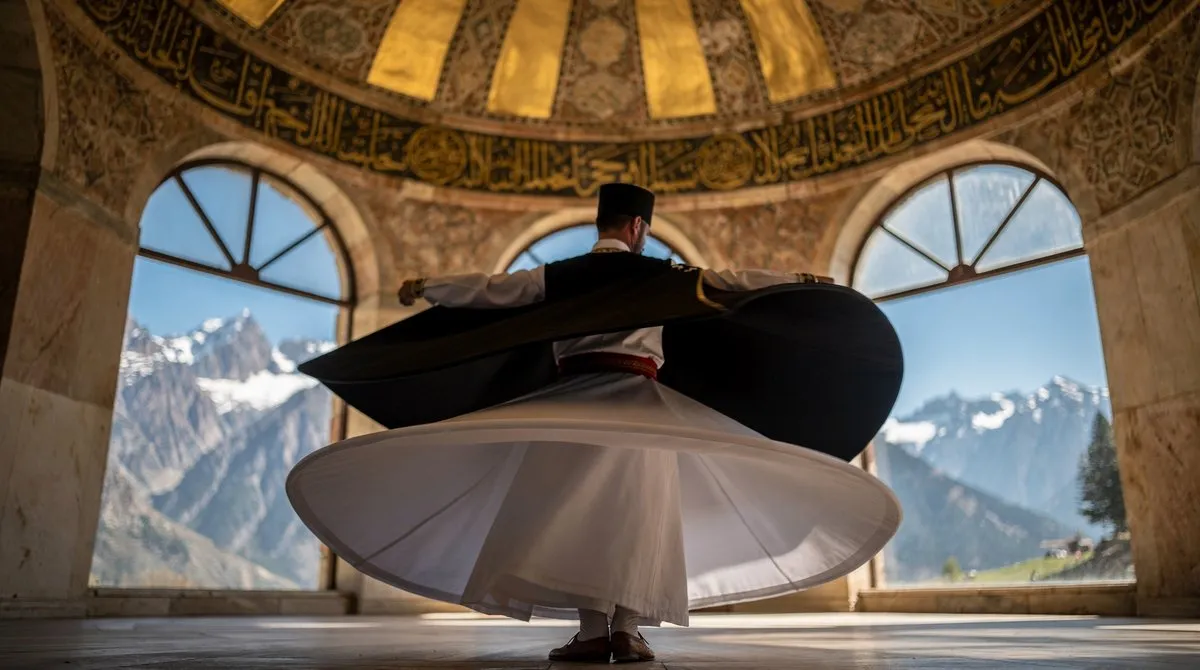
Konya
Konya is a city steeped in history and spirituality, known as the heart of Sufi tradition and the final resting place of the revered poet Rumi. It offers a unique glimpse into the mystical practices of the Mevlevi Order through the mesmerizing ritual of the whirling dervishes. The city blends ancient heritage with deep cultural significance, making it a sanctuary for those seeking spiritual enlightenment.
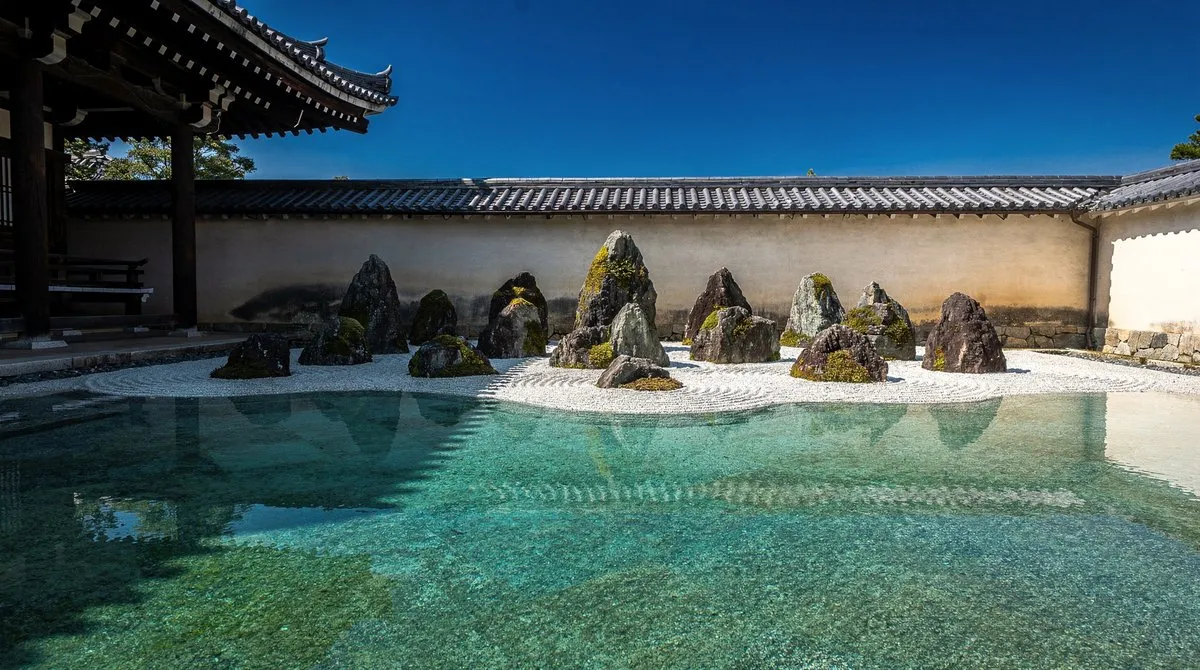
Ryōan-ji Temple
Ryōan-ji Temple is a serene Zen temple in Kyoto, renowned for its enigmatic dry landscape garden. The garden features 15 stones arranged in a sea of raked gravel, designed to inspire meditation and reflection. A UNESCO World Heritage Site, it embodies the principles of Zen Buddhism through its minimalist beauty and profound spiritual significance.
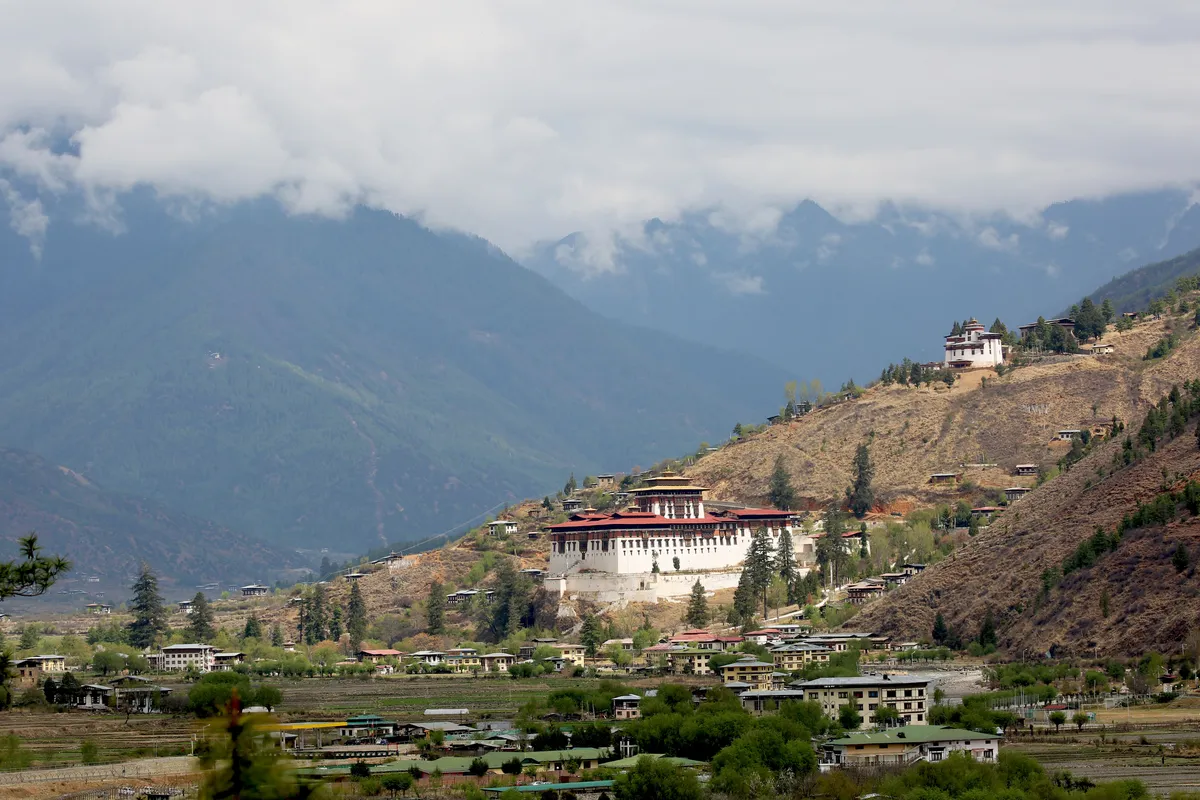
Paro Valley
Paro Valley is a serene and spiritually significant region in Bhutan, known for its breathtaking landscapes and ancient monasteries. It serves as the gateway to the country and is home to iconic sites like the Tiger's Nest Monastery and Paro Dzong. The valley offers a unique blend of natural beauty, cultural heritage, and Buddhist traditions that create an unforgettable experience.