
Self-Compassion and Positive Psychology: Kristin Neff, Martin Seligman, and Inner Kindness
Explore
Self-Compassion & Positive Psychology: Kristin Neff, Martin Seligman, and the Practice of Inner Kindness
The Problem: Why Self-Criticism Doesn't Heal
Most people who seek healing carry a harsh inner voice."I should be further along." "I'm too sensitive." "Everyone else handles this better." This self-criticism is not just unpleasant — it is counterproductive.Research consistently shows that self-criticism activates the body's threat response (cortisol, inflammation, amygdala activation) while undermining motivation and resilience.
response (cortisol, inflammation, amygdala activation) while undermining motivation and resilience.
Dr.Kristin Neff, a pioneering researcher at the University of Texas at Austin, has spent two decades studying the alternative: self-compassion.Her work demonstrates that treating yourself with the same kindness you'd offer a good friend is not self-indulgence — it is a foundational psychological skill that leads to greater emotional resilience, motivation, and well-being.
Kristin Neff's Three Components of Self-Compassion
ional resilience, motivation, and well-being.
Kristin Neff's Three Components of Self-Compassion
ional resilience, motivation, and well-being.
Neff defines self-compassion as consisting of three interrelated components, each addressing a different dimension of suffering:
1.Self-Kindness vs.Self-Judgment
Self-kindness means being warm and understanding toward yourself when you suffer, fail, or feel inadequate, rather than ignoring your pain or flagellating yourself with self-criticism.
not about ignoring mistakes — it's about responding to them with wisdom rather than punishment.
Self-criticism asks: "What's wrong with me?" Self-kindness asks: "What do I need right now?"
2.Common Humanity vs.Isolation
When we suffer, we often feel isolated — as if our pain is uniquely ours, a mark of personal failure.The "common humanity" component reminds us that suffering, imperfection, and difficulty are part of the shared human experience.
e have it worse") but about recognizing that pain connects you to others rather than separating you.
e have it worse") but about recognizing that pain connects you to others rather than separating you.
Isolation says: "I'm the only one who feels this way." Common humanity says: "This is hard, and it's part of being human.Others have walked this road."
3.Mindfulness vs.Over-Identification
Mindfulness, in Neff's framework, means holding your experience in balanced awareness — neither suppressing nor exaggerating your emotions.You acknowledge pain without being consumed by it, observe self-critical thoughts without becoming them.
acknowledge pain without being consumed by it, observe self-critical thoughts without becoming them.
Over-identification says: "I am a failure.This will never end." Mindfulness says: "I'm having the thought that I'm a failure.I notice the feeling of hopelessness.And I can hold it without becoming it."
Self-Care vs.Self-Compassion: A Crucial Distinction
A common misunderstanding conflates self-care (bubble baths, spa days, treats) with self-compassion.While self-care practices can be vehicles for self-compassion, they are not the same thing:
mpassion.While self-care practices can be vehicles for self-compassion, they are not the same thing:
- Self-care is an action you take — something you do for your well-being
- Self-compassion is an attitude you cultivate — a relationship with yourself that shapes how you respond to all experiences, including the difficult ones
You can take a luxurious vacation (self-care) while berating yourself for not being productive (no self-compassion).
ns possible) and still respond to yourself with gentleness and understanding (full self-compassion).
ns possible) and still respond to yourself with gentleness and understanding (full self-compassion).
Self-compassion is not dependent on circumstances.It is how you relate to yourself in any circumstance.
Martin Seligman's PERMA Model: The Architecture of Flourishing
While Neff addresses how we relate to suffering, positive psychology founder Martin Seligman addresses how we build well-being.
sic satisfaction of mastery and achievement — pursued for its own sake, not for external validation.
sic satisfaction of mastery and achievement — pursued for its own sake, not for external validation.
Seligman's model is integrative: well-being is not the absence of suffering but the presence of these five elements in combination.A traveler might experience all five in a single journey — awe (positive emotion), flow during a challenging hike (engagement), deep conversation with a stranger (relationships), connection to place (meaning), and the satisfaction of completing a difficult walk (accomplishment).
connection to place (meaning), and the satisfaction of completing a difficult walk (accomplishment).
The Self-Compassion Break: A Practical Exercise
Neff's most widely-used clinical tool is the Self-Compassion Break, a three-step practice for moments of difficulty:
1.This is a moment of suffering (Mindfulness): Acknowledge that you're hurting.Name it simply.2.Suffering is part of being human (Common Humanity): Remind yourself that pain, failure, and imperfection are shared human experiences.You are not alone in this.3.
rself that pain, failure, and imperfection are shared human experiences.You are not alone in this.3.
cing a hand on your heart, which research shows actually activates caregiving circuits in the brain.
Therapist Response Examples
Example 1
Client: "I beat myself up constantly.I'll finish a project and immediately think about everything I did wrong." Therapist: "That sounds exhausting — finishing something and then immediately turning on yourself.If a friend completed that same project and came to you feeling unsure, what would you say to them?
If a friend completed that same project and came to you feeling unsure, what would you say to them?
ue in the moment.Can we slow down together?What specifically feels like 'falling behind' right now?"
Example 3
Client: "I tried the self-compassion thing and I just felt like I was being fake.I don't believe I deserve kindness." Therapist: "That resistance — feeling like kindness toward yourself is fake or undeserved — that's actually really common, especially for people who learned early that they had to earn love.
isn't about believing you 'deserve' it?What if it's just about..stopping the war?Even for a moment?"
Example 4
Client: "I'm so hard on myself about my body when I travel.Everyone else looks relaxed in their swimsuit and I feel like I should hide." Therapist: "Your body brought you here.It walked these streets, carried your bags, breathed this air.What if, instead of evaluating how it looks, you thanked it for what it does?What would that feel like — just for today?
e if you can feel the sand for thirty seconds.Not the whole afternoon.Thirty seconds.That's enough."
e if you can feel the sand for thirty seconds.Not the whole afternoon.Thirty seconds.That's enough."
Travel Connection: Travel as a Self-Compassion Practice
Travel can be a profound laboratory for self-compassion because it removes the familiar scaffolding that usually protects us from ourselves:
- Travel reveals your inner critic: When you're tired, lost, jet-lagged, and struggling with a language barrier, the voice that says "you should be handling this better" gets louder.
igated the unfamiliar.The body is not an aesthetic object — it is the instrument of your experience.
igated the unfamiliar.The body is not an aesthetic object — it is the instrument of your experience.
As Neff writes: "Self-compassion is like a muscle.The more we practice it, the stronger it gets." Every moment of travel — the magical and the mundane, the planned and the unexpected — is an opportunity to strengthen that muscle.
✨You might also like
✨Explore more
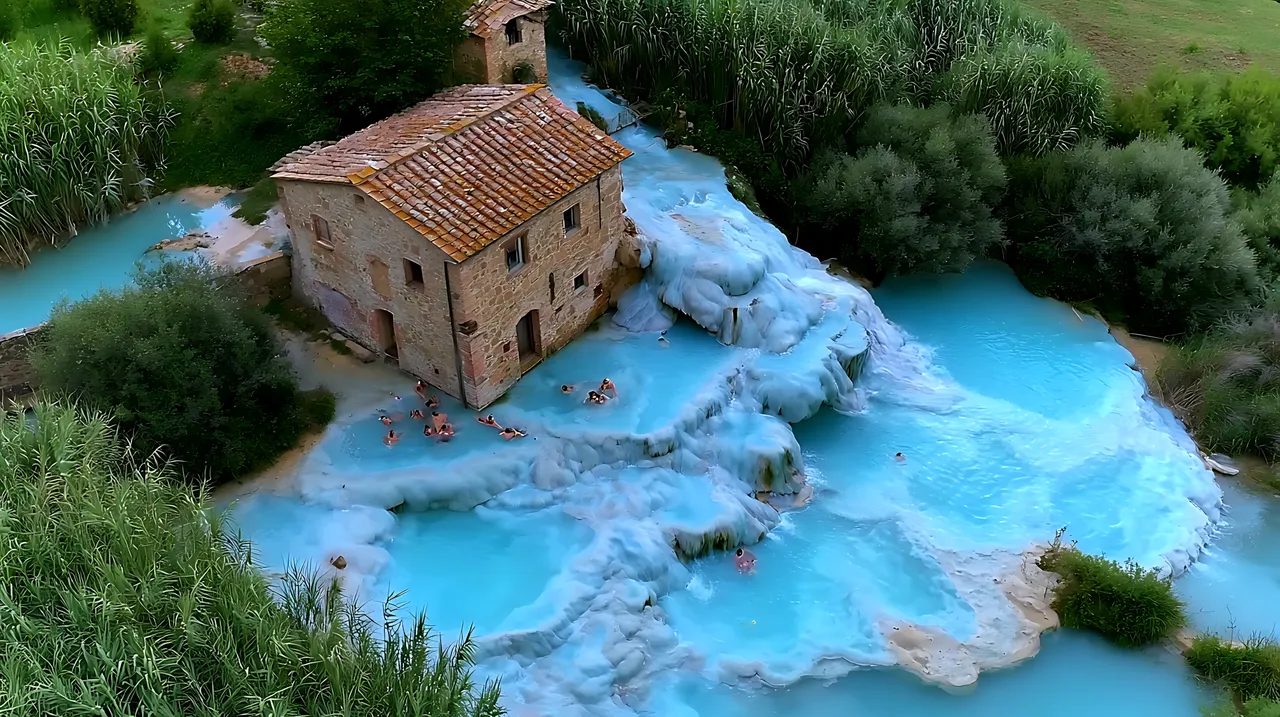
Cascade Del Mulino
Nestled in the heart of Tuscany, the Cascate del Mulino is a natural wonder where thermal waters cascade into serene pools. The constant 37.5°C (98.6°F) temperature and mineral-rich waters offer a therapeutic experience, surrounded by the breathtaking Maremma countryside. This free, open-air spa has been a source of relaxation since ancient times, with legends attributing its creation to the gods. Whether you visit in the early morning or at sunset, the cascades provide a tranquil escape from th
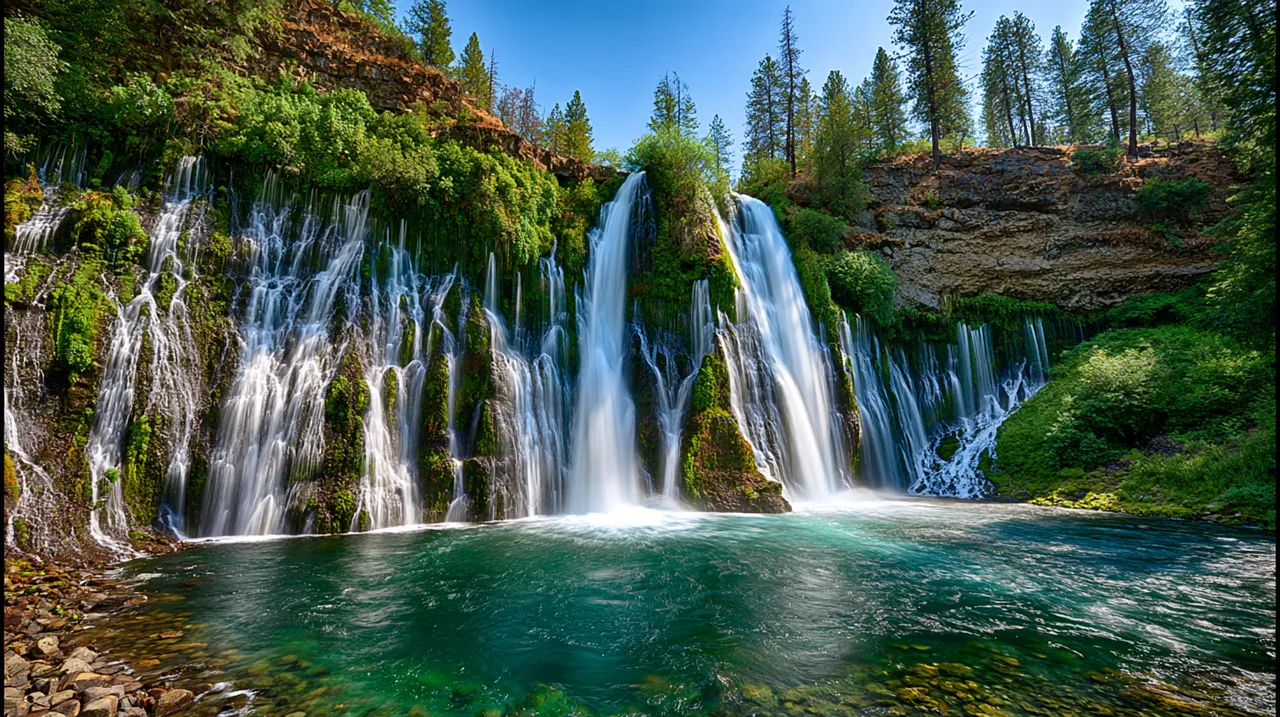
McArthur-Burney Falls
Nestled in the Cascade Range and Modoc Plateau, McArthur–Burney Falls Memorial State Park is a natural wonder that captivates visitors with its stunning 129-foot waterfall. The park, one of California's oldest, offers a serene and picturesque setting for hiking, fishing, and watersports. The falls, fed by underground springs, maintain a consistent flow year-round, creating a mesmerizing curtain of water that plunges into a mist-filled basin. The surrounding evergreen forests and volcanic landsca
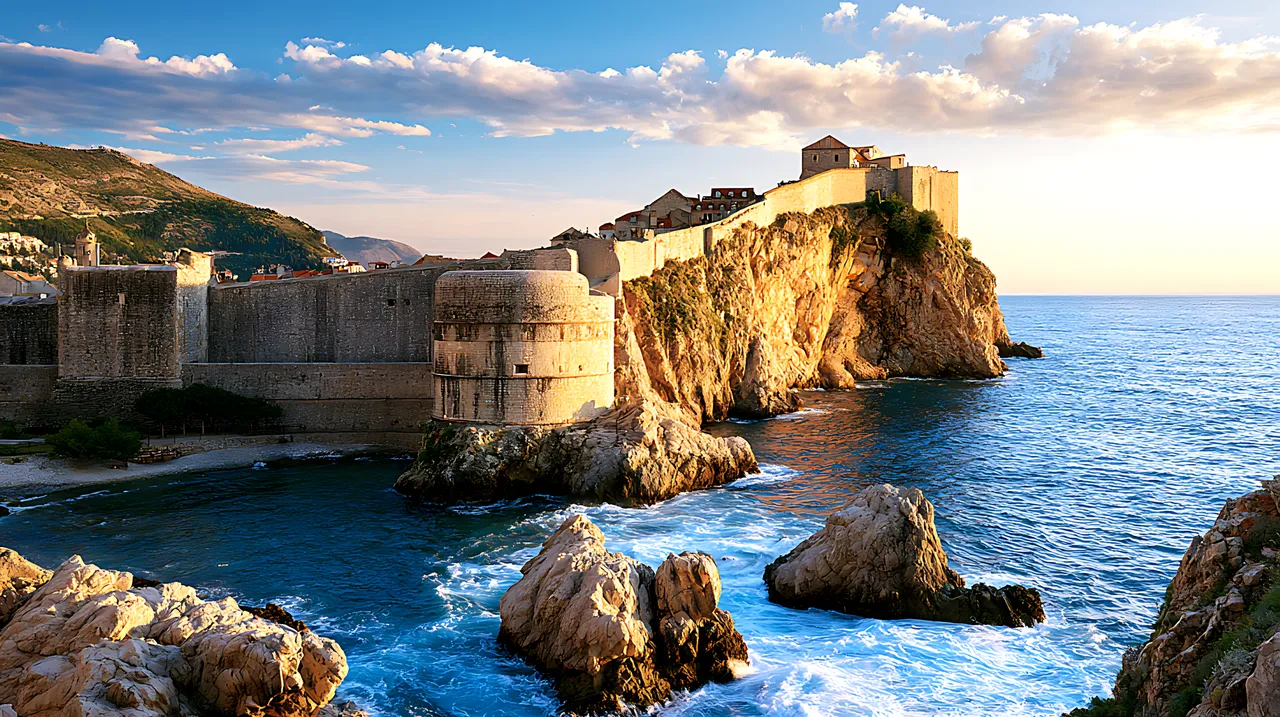
Fort Lovrijenac, Croatia
Perched on a 37-meter-high rock, Fort Lovrijenac, also known as St. Lawrence Fortress, stands as a symbol of Dubrovnik's independence and power. Built in the early 11th century, it was designed to protect the city from Venetian invasion. Today, it is a well-preserved historical site that hosts cultural events and offers breathtaking views of the Adriatic Sea and Old Town Dubrovnik.
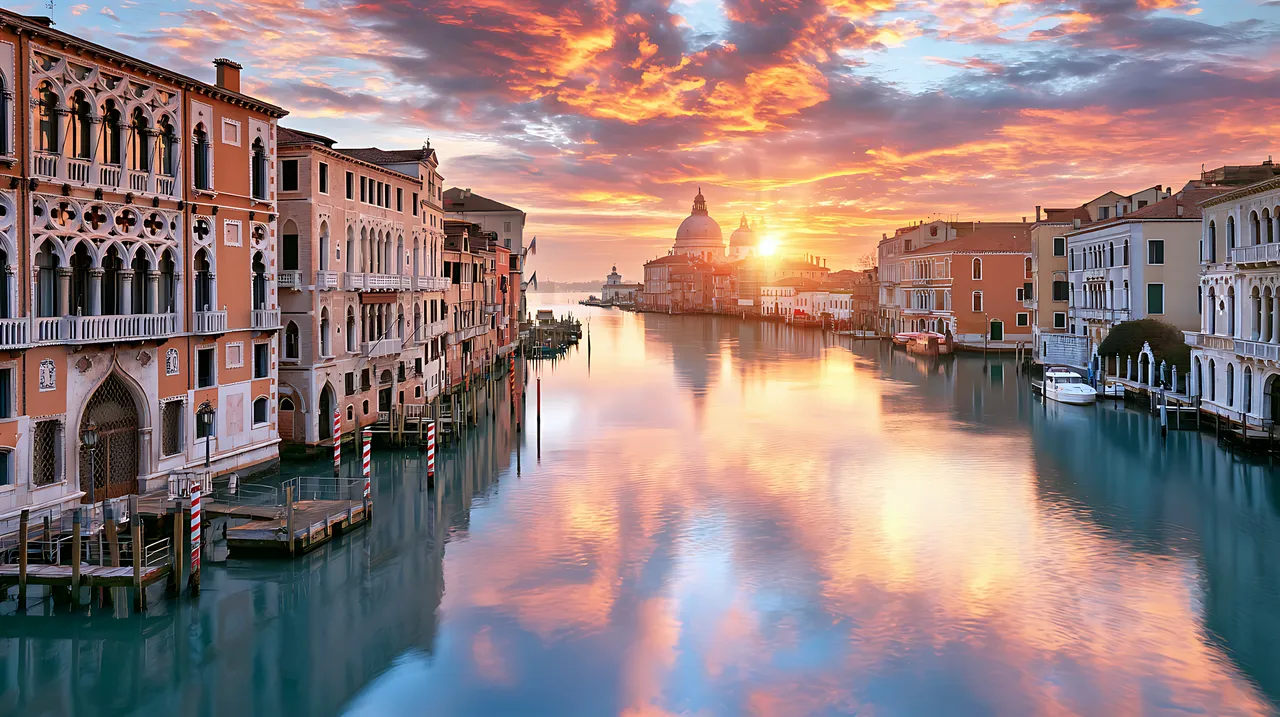
Venice
Venice is a stunning city built on a group of 118 small islands separated by canals and linked by bridges. Known as the 'City of Canals,' it is a masterpiece of Gothic architecture and a symbol of historical trade and culture. Its romantic ambiance and rich artistic heritage make it one of the most enchanting destinations in the world.

Verona
Verona is a 2000-year-old city steeped in history and romance, best known as the setting of Shakespeare's Romeo and Juliet. Its stunning Veronese pink stone buildings, ancient Roman ruins, and Renaissance gardens create a timeless atmosphere. The city also offers beautiful vineyards and wine-tasting opportunities in the surrounding Valpolicella and Soave regions.
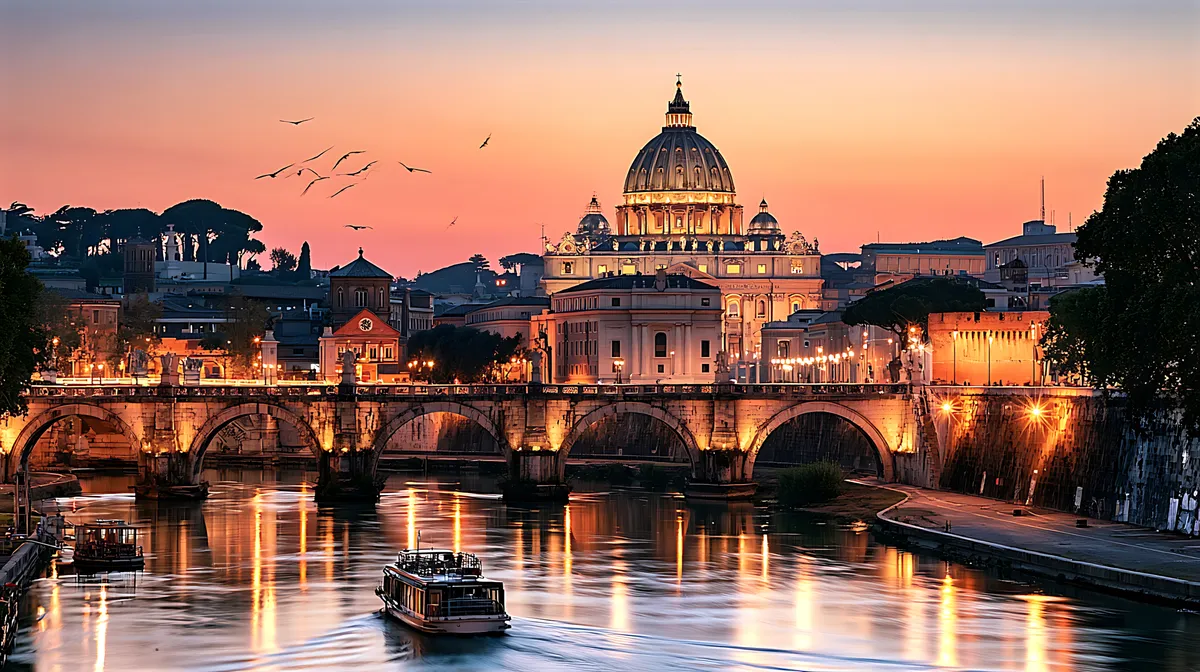
Rome
Rome, the 'Eternal City,' is a mesmerizing blend of ancient history and modern charm. Home to iconic landmarks like the Colosseum, Roman Forum, and Pantheon, it offers a glimpse into the grandeur of the Roman Empire. With its vibrant neighborhoods, world-class cuisine, and rich cultural heritage, Rome captivates travelers with its timeless allure.
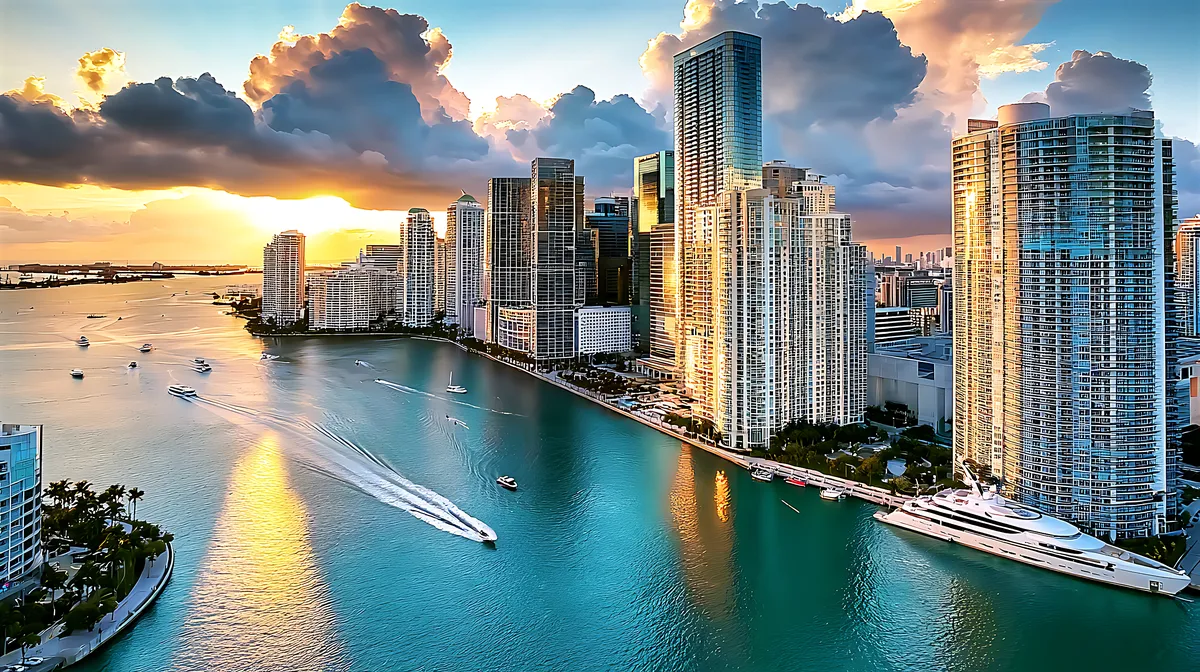
Miami
Miami is a vibrant city known for its stunning beaches, cultural diversity, and artistic energy. It blends urban excitement with natural beauty, offering everything from the colorful murals of Wynwood to the serene landscapes of the Everglades. With its rich Cuban heritage and world-class attractions, Miami is a destination that celebrates both culture and nature.
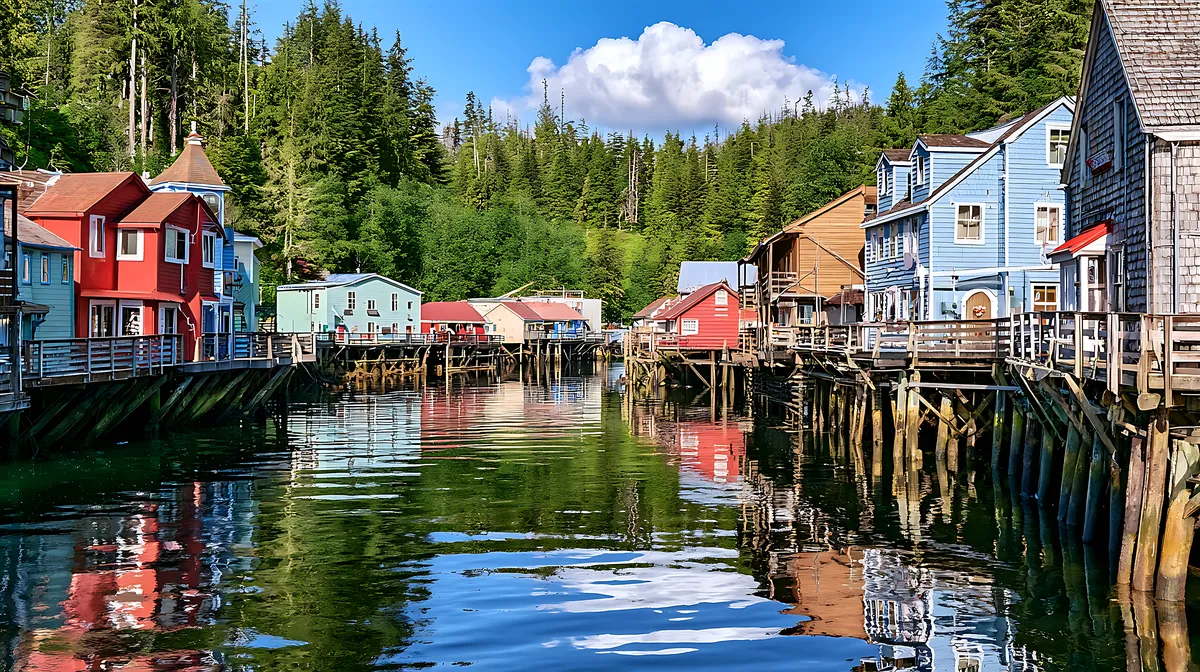
Ketchikan
Ketchikan, located on Revillagigedo Island in southeastern Alaska, is known as the 'Salmon Capital of the World' and the 'Rain Capital of Alaska.' It offers a rich Tlingit heritage and the world's largest collection of standing totem poles, making it a unique cultural and natural destination.
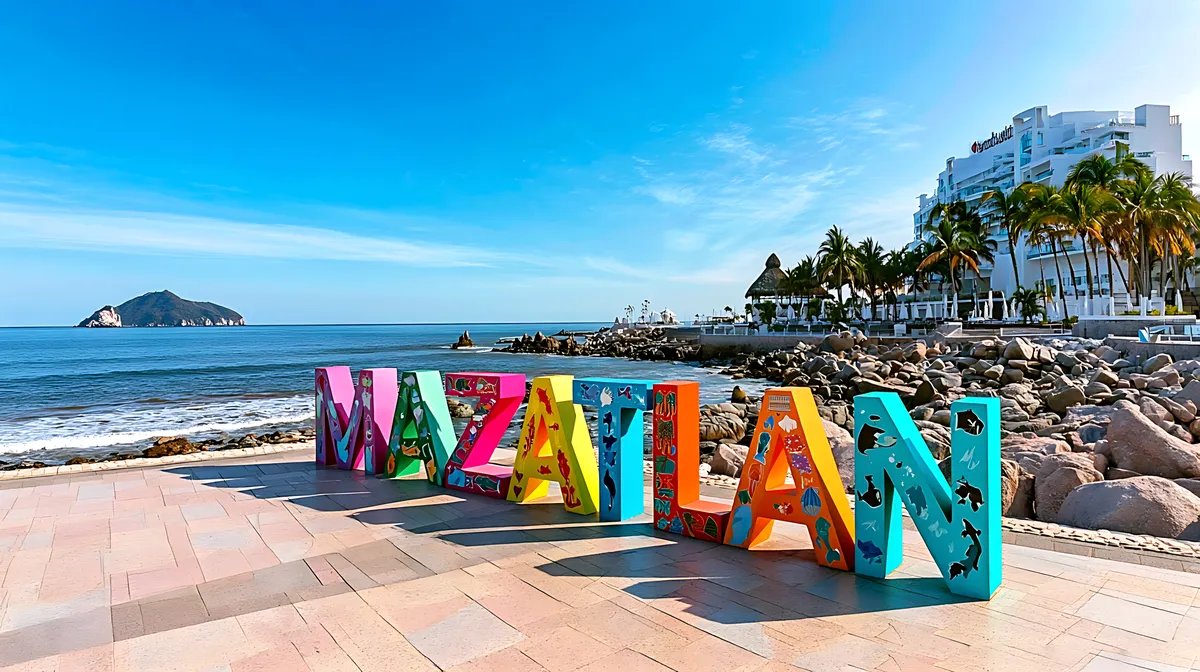
Mazatlán
Mazatlán, known as the 'Pearl of the Pacific,' boasts a stunning coastline and a well-preserved historic center filled with colorful buildings and cultural landmarks. The city offers a vibrant mix of colonial history, fresh seafood, and natural attractions like Playa Olas Altas, perfect for surfing and sunbathing. Its famous Malecón seafront promenade and seasonal whale watching make it a unique destination for both relaxation and adventure.
Puerto Vallarta
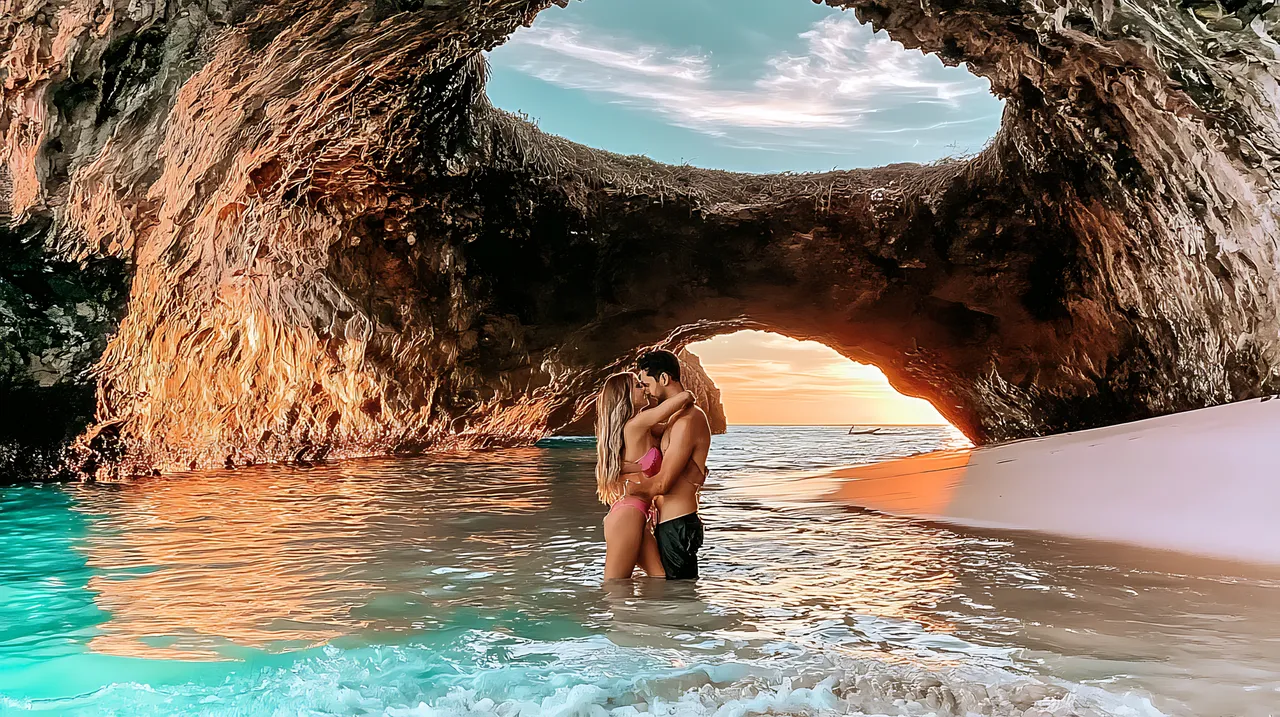
Puerto Vallarta is a vibrant Mexican city where chaotic energy meets genuine community, offering a unique blend of natural beauty and cultural richness. Known for its lively nightlife, stunning beaches, and world-class culinary scene, it attracts travelers seeking both adventure and authenticity. With its mild climate and picturesque setting, it's a perfect destination for those looking to experience the best of Mexico.
Loreto
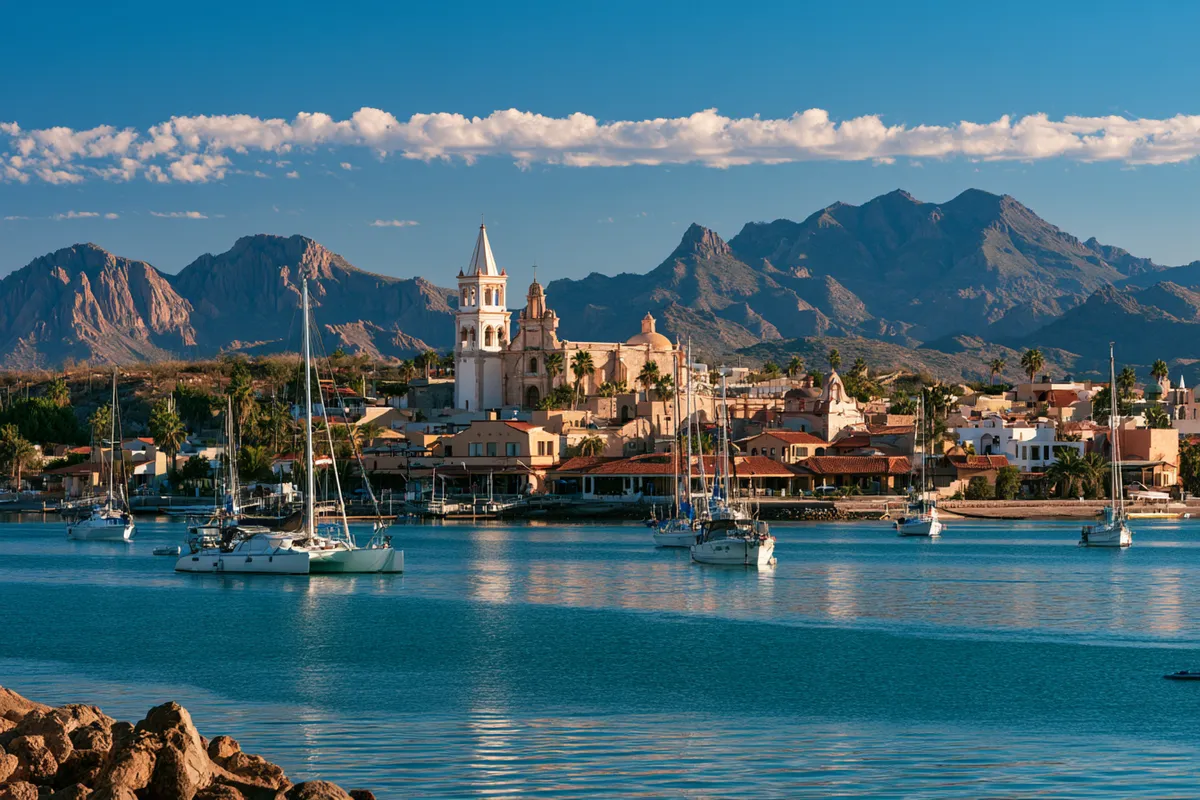
Loreto is a charming seaside town on the Baja California Peninsula, known for its clear waters, dolphin sightings, and beach clambakes. It blends natural beauty with rich history, including the first Jesuit mission in Mexico and designation as a Pueblo Mágico. The Sea of Cortez offers incredible opportunities for water sports and wildlife encounters, making it a unique destination for adventure and relaxation.
La Paz
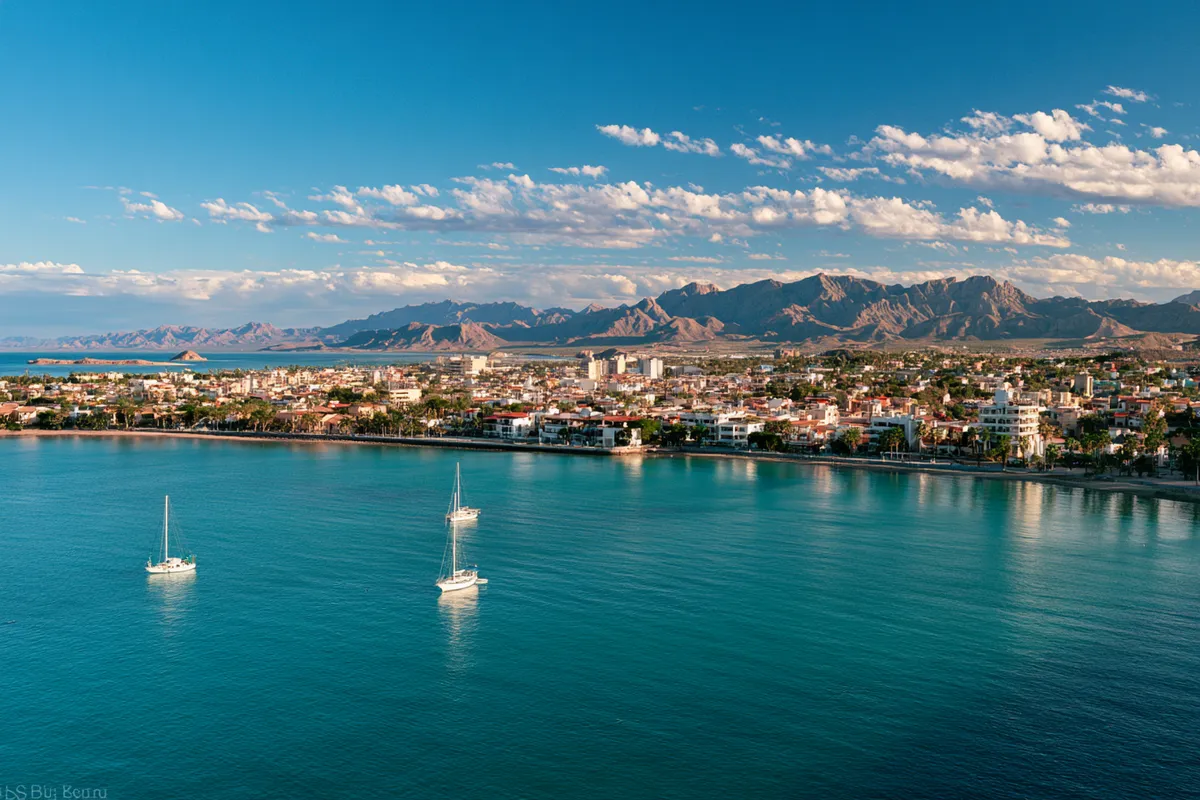
La Paz is a serene coastal city known for its stunning beaches, crystal-clear waters, and vibrant marine life. It offers unique experiences like swimming with whale sharks and sea lions, making it a paradise for nature lovers. With a relaxed atmosphere and rich cultural heritage, La Paz blends adventure with tranquility in the heart of Baja California.
Cabo San Lucas
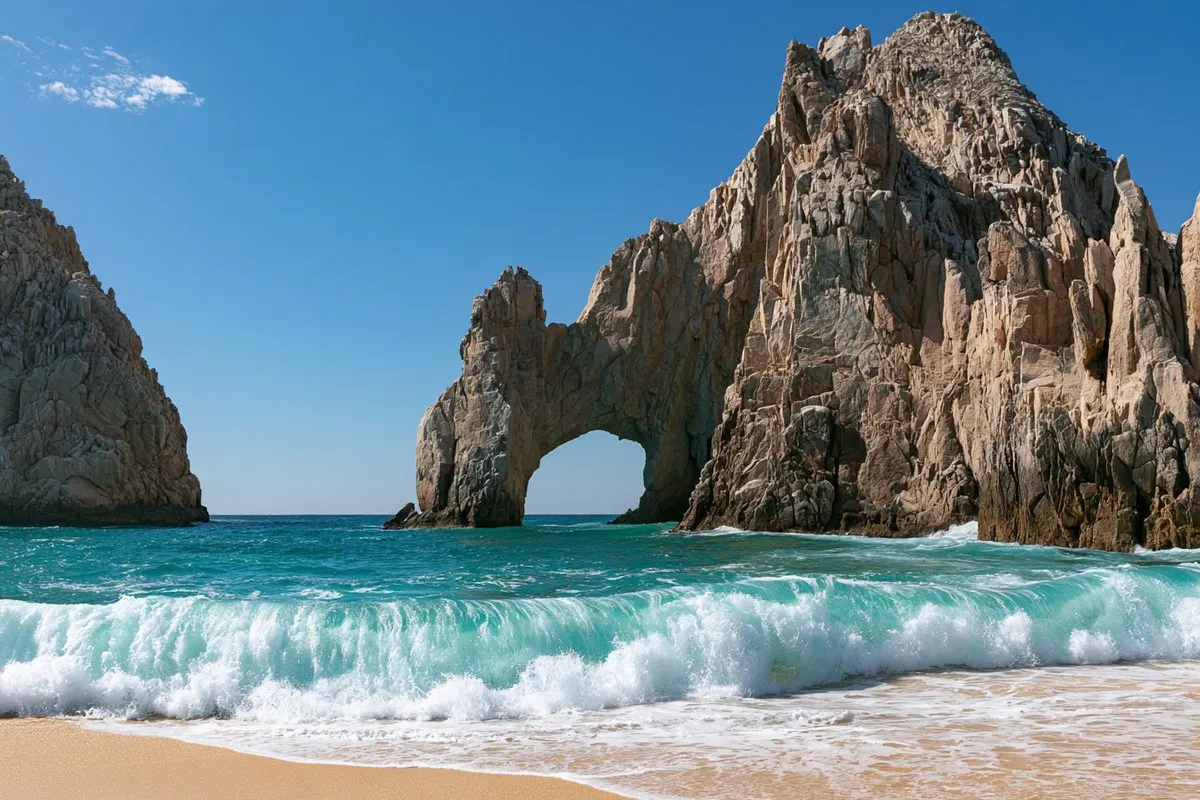
Cabo San Lucas is a vibrant destination known for its breathtaking natural beauty and thrilling adventures. It offers unique experiences like snorkeling with whale sharks and hiking with rescue dogs, alongside rich cultural traditions. The area is also famous for its delicious Baja-style fish tacos and other traditional Mexican dishes.
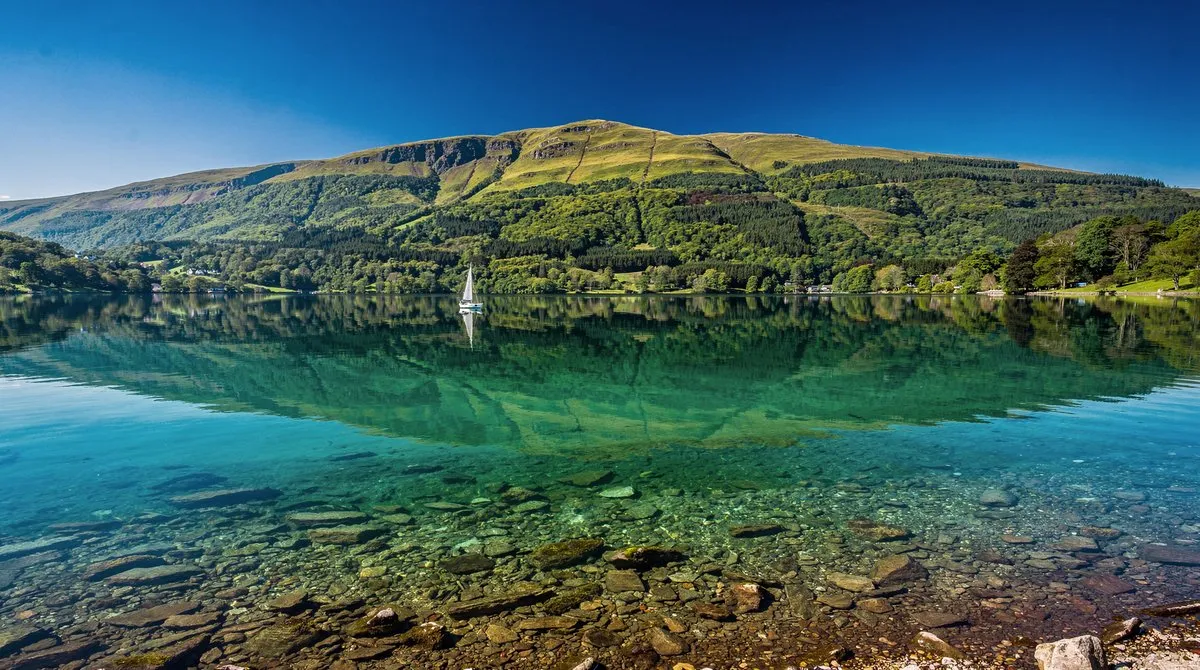
Lake District
The Lake District is a stunning UNESCO World Heritage Site known for its dramatic landscapes, including lakes, mountains, and forests. It has inspired poets and writers for centuries, offering a rich literary heritage and a magical blend of natural beauty. A favorite destination for outdoor activities, it remains one of England's most visited national parks.
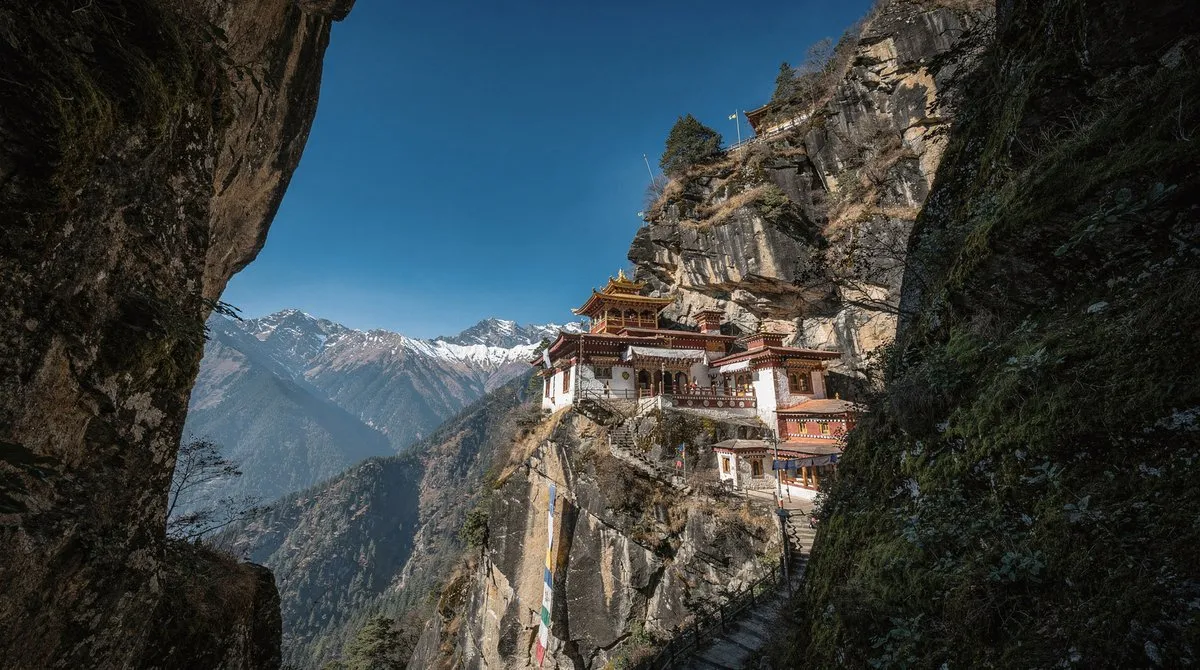
Tiger's Nest Monastery
Perched on a cliffside at 3,120 meters, Tiger's Nest Monastery is one of Bhutan's most sacred and breathtaking sites. It was built around the caves where Guru Padmasambhava meditated in the 8th century, making it a major Buddhist pilgrimage destination. The challenging hike to the monastery offers stunning views and a deeply spiritual experience.
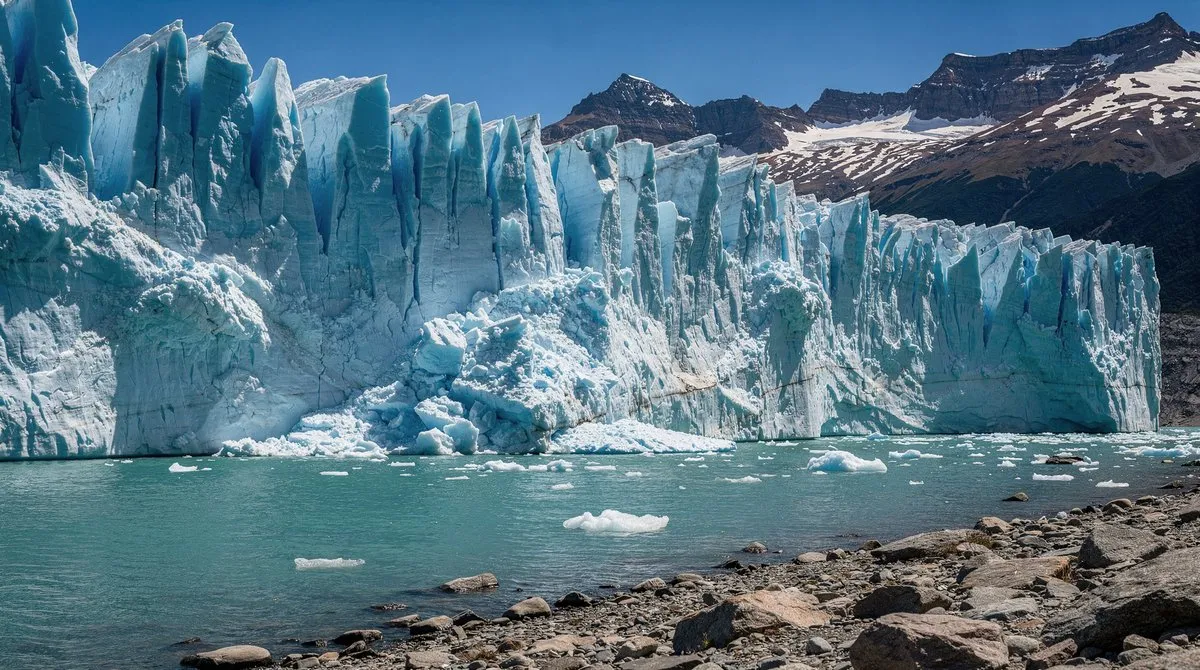
Patagonia
Patagonia is a vast and remote region known for its dramatic landscapes, towering peaks, and massive glaciers. It offers some of the most untouched and breathtaking natural beauty on Earth, with iconic hiking trails and unique wildlife. The area's rugged terrain and stunning vistas make it a dream destination for adventure seekers and nature lovers.
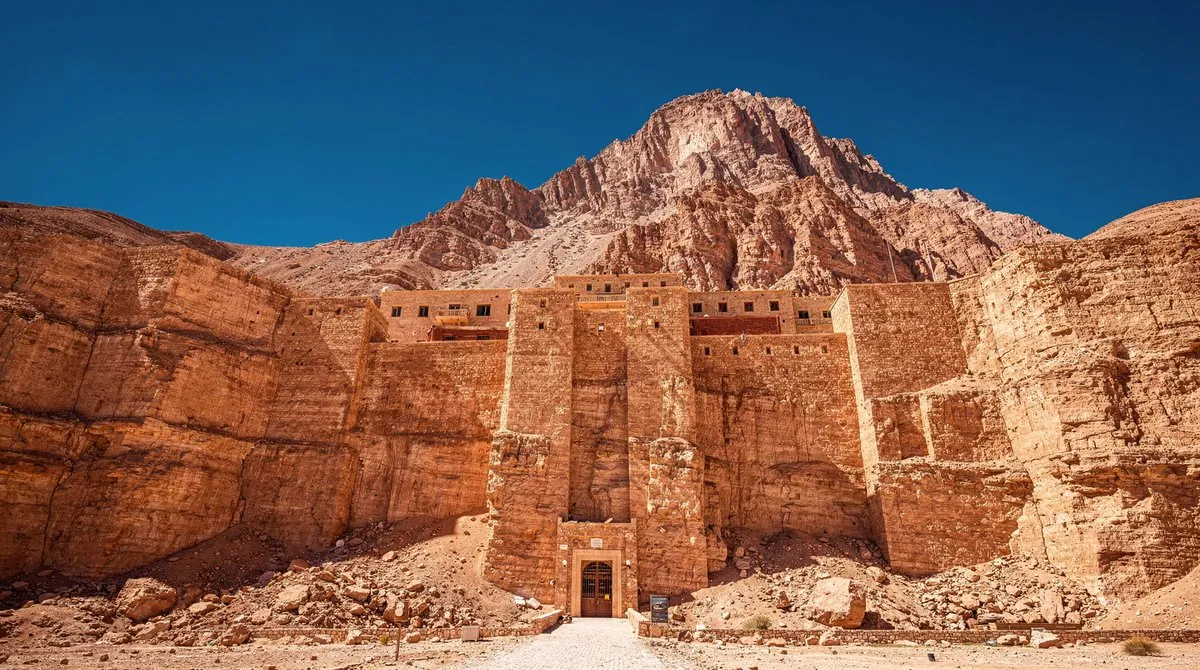
Monastery of Saint Catherine
Nestled on the slopes of Mount Sinai, the Monastery of Saint Catherine is a sacred site where Moses is believed to have received the Ten Commandments. It is one of the oldest continuously operating monasteries in the world, housing a vast library of ancient manuscripts and the Church of the Burning Bush. A UNESCO World Heritage Site, it stands as a unique spiritual convergence of Christianity, Islam, and Judaism in a breathtaking desert landscape.
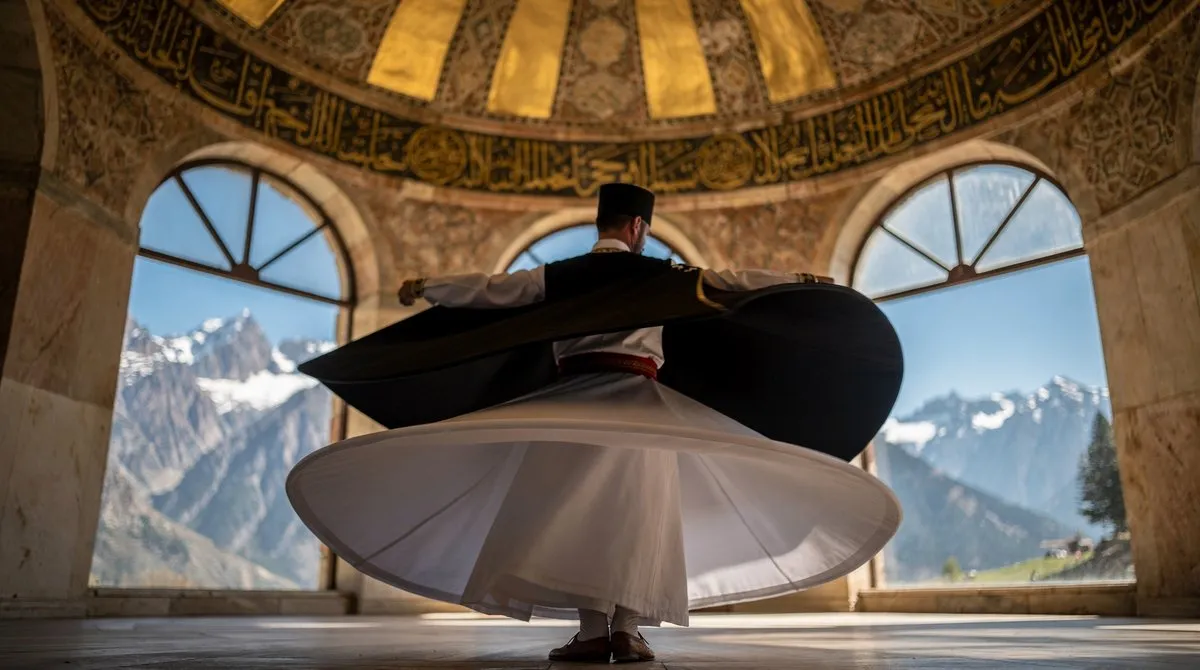
Konya
Konya is a city steeped in history and spirituality, known as the heart of Sufi tradition and the final resting place of the revered poet Rumi. It offers a unique glimpse into the mystical practices of the Mevlevi Order through the mesmerizing ritual of the whirling dervishes. The city blends ancient heritage with deep cultural significance, making it a sanctuary for those seeking spiritual enlightenment.
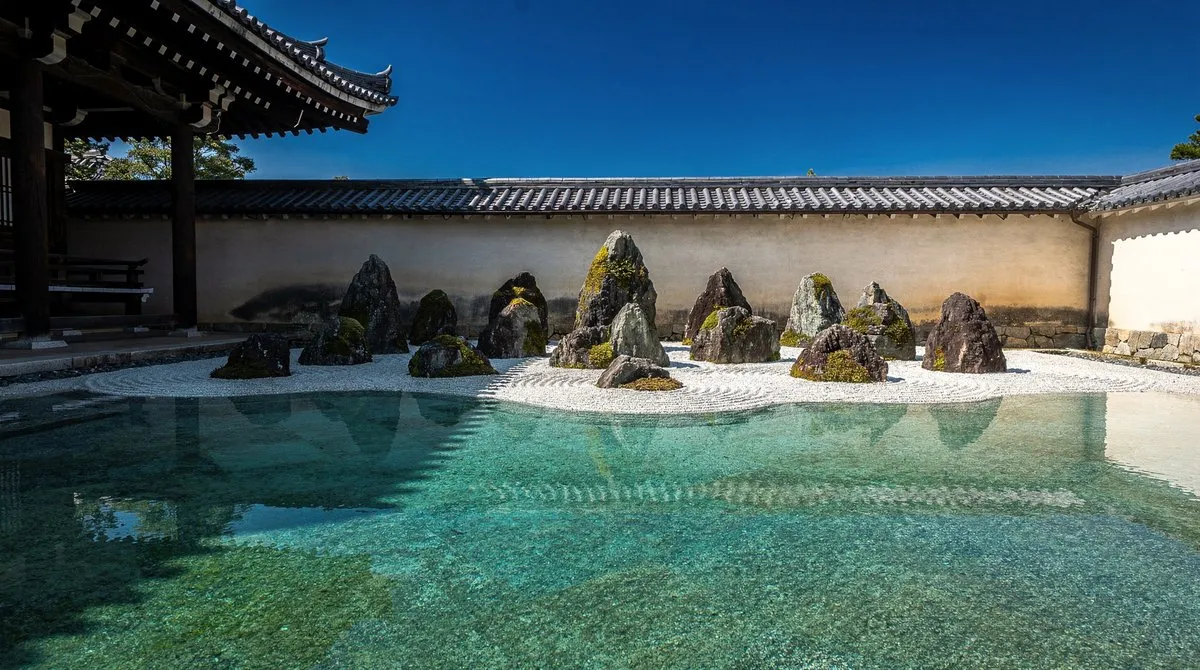
Ryōan-ji Temple
Ryōan-ji Temple is a serene Zen temple in Kyoto, renowned for its enigmatic dry landscape garden. The garden features 15 stones arranged in a sea of raked gravel, designed to inspire meditation and reflection. A UNESCO World Heritage Site, it embodies the principles of Zen Buddhism through its minimalist beauty and profound spiritual significance.
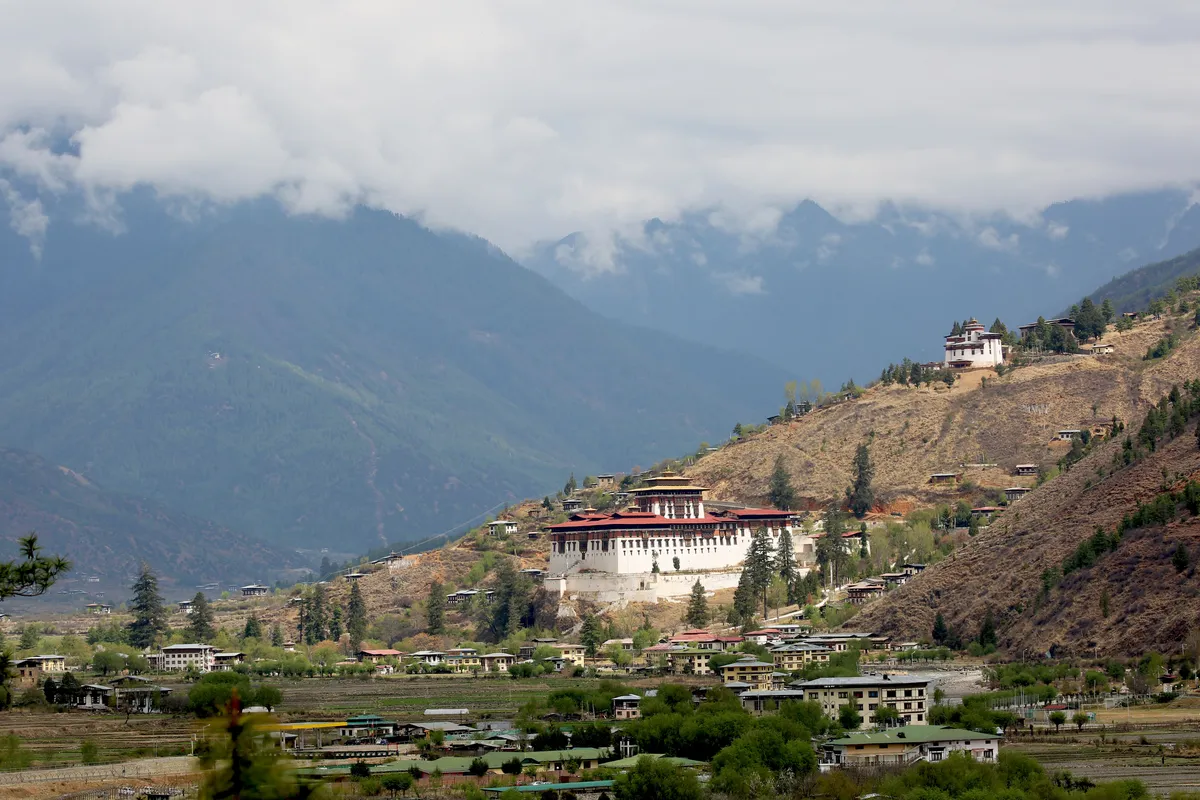
Paro Valley
Paro Valley is a serene and spiritually significant region in Bhutan, known for its breathtaking landscapes and ancient monasteries. It serves as the gateway to the country and is home to iconic sites like the Tiger's Nest Monastery and Paro Dzong. The valley offers a unique blend of natural beauty, cultural heritage, and Buddhist traditions that create an unforgettable experience.